What to Ask a Bike Shop Before a Safety Check
On this page
Quick answer
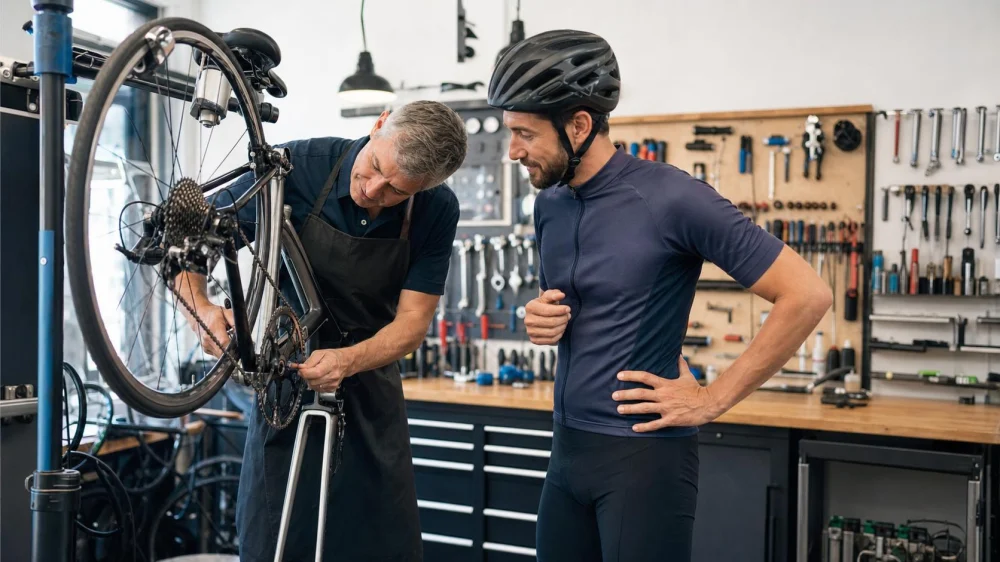
Before a bike shop safety check, ask what the inspection includes, whether brakes, tires, wheels, drivetrain, bolts, and shifting are reviewed, how repair recommendations are approved, and when the bike will be ready. A clear shop should explain what is included, what costs extra, and what issues are urgent before your next ride.
What a bike safety check covers
A bike safety check is a focused inspection meant to catch obvious problems before riding. It is usually different from a full tune-up, overhaul, or component replacement.
Common areas include brake function, tire condition, wheel security, chain condition, shifting, headset play, handlebar and stem tightness, pedals, saddle security, and visible frame concerns. The exact checklist varies by shop.
Because shops use different names for service packages, ask what the check actually includes rather than relying only on the label.
Questions to ask the shop
Useful questions include:
- What is included in the safety check?
- Do you inspect brakes, tires, wheels, drivetrain, and bolt tightness?
- Will you contact me before doing paid repairs?
- What issues would make the bike unsafe to ride?
- How long will the inspection take?
- Is this enough for my ride type, or do I need a tune-up?
- Do you work on my bike type, such as road, gravel, MTB, e-bike, commuter, or kids' bike?
These questions help you compare local bike shops on communication, not just price.
When a safety check is most useful
A safety check is best before a first ride after storage, a charity ride, a long weekend route, a new commute, a bike purchase from a private seller, or a trip where mechanical problems would be inconvenient.
It is also useful if you hear a new noise, feel weak braking, notice tire damage, see wheel wobble, or are unsure whether the bike was assembled correctly.
When a check may not be enough
A basic check may not be enough for crash damage, hydraulic brake problems, suspension service, e-bike electrical concerns, wheel building, bottom bracket noise, or severe drivetrain wear. Those issues may need diagnostic time or specialized service.
If a shop says the bike needs more than a safety check, ask which problems affect safety, which affect performance, and which can wait.
Pre-ride checklist
Before visiting the shop, note:
- What type of bike you have.
- How long it has been since the last service.
- Any noises, slipping, rubbing, or braking concerns.
- The ride or route you are preparing for.
- Your deadline and budget range.
- Any parts or accessories you want checked.
Important notes
This article is general cycling maintenance guidance for riders in the United States. It is not a mechanical diagnosis or a substitute for a qualified inspection. If a bike has crash damage, braking problems, steering issues, loose components, or visible frame damage, avoid riding until it is checked by a qualified mechanic.
Evidence notes: bicycle safety guidance commonly emphasizes brakes, tires, wheels, steering, drivetrain, and secure components before riding. Local bike shops may use different service packages and inspection processes.
FAQ
Is a safety check the same as a tune-up?
Not always. A safety check is often an inspection, while a tune-up may include adjustments, lubrication, and more labor. Ask the shop what each package includes.
How often should I get a bike checked?
It depends on mileage, weather, terrain, storage, and bike type. Regular riders should inspect basics often and schedule shop service when performance or safety changes.
Can I do a pre-ride check myself?
You can check obvious items like tires, brakes, and loose parts, but a shop can catch issues you may miss, especially before a long ride or after storage.
Should I ride if the brakes feel weak?
No. Weak or inconsistent braking is a safety concern. Have the bike checked before riding in traffic, on descents, or at speed.
Next steps
Shortlist nearby bike shops, ask what their safety check includes, and describe your bike and upcoming ride. Choose the shop that explains urgent issues clearly and asks before doing extra paid work.
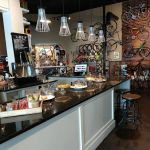 The Bikery Coffee & Bicycle Shop4.0 (632 reviews)
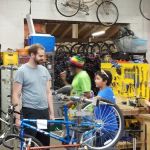 Freewheelin' Community Bikes4.0 (132 reviews)
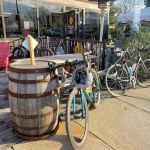 The Bike Lane Bicycle Shop4.0 (969 reviews)
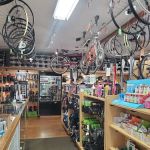 Sunshine Bicycle Center4.0 (70 reviews)
 Pedego (Corporate Office - Not Open to Public)3.0 (19 reviews)
 Jenson USA4.0 (2110 reviews)
 How to Teach Kids to Ride a Bike: A Step-by-Step Guide for Parents
 Tips for Riding on Busy City Streets: Smart Strategies for Urban Cyclists
 Best US National Parks for Mountain Biking: Ride Epic Trails Across America
 Best Aero Helmets for Time Trials and Racing
 How to Clean and Lubricate Your Bike Chain Like a Pro
 10 Must-Have Items for Long-Distance Cycling Trips