
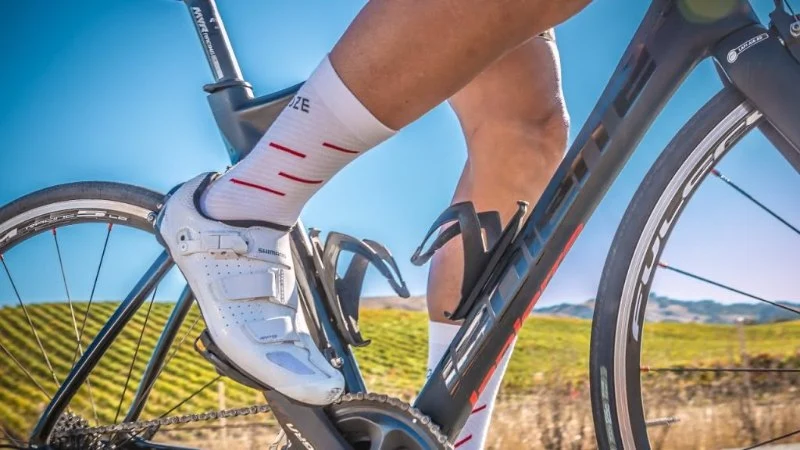
- why-cycling-socks-matter
- choosing-the-right-fit
- understanding-breathability
- finding-the-right-thickness
- materials-used-in-cycling-socks
- long-ride-comfort-strategies
- choosing-cycling-socks-for-different-riding-conditions
Why Cycling Socks Matter More Than Many Riders Expect
When cyclists prepare for long rides, they often focus on major equipment such as bikes, helmets, shoes, and jerseys. However, one small piece of gear can have a surprisingly large impact on comfort: cycling socks. The best cycling socks for long rides are designed to manage moisture, reduce friction, regulate temperature, and provide support during hours of continuous movement.
A rider may spend three, five, or even eight hours on the bike during an endurance event or weekend adventure. During that time, feet experience repeated pressure, heat buildup, and movement inside cycling shoes. Poor-quality socks can lead to discomfort, hot spots, blisters, and distractions that affect performance.
Many experienced cyclists consider socks part of their performance system rather than just clothing. The right pair works together with cycling shoes to create a comfortable environment for the feet throughout the entire ride.
1. The Role of Cycling Socks in Performance
Cycling socks serve several important functions:
- Managing sweat during intense efforts
- Reducing friction between feet and shoes
- Supporting comfortable circulation
- Protecting skin from irritation
- Maintaining temperature balance
During short rides, riders may not notice the difference between regular athletic socks and cycling-specific socks. However, during longer distances, small design details become much more important.
2. A Long Ride Lesson Many Cyclists Learn
A common experience among newer endurance riders is starting a long-distance cycling event feeling comfortable, only to develop painful feet halfway through the route. Often, the problem is not the bike setup or fitness level but small equipment choices, including socks.
Many riders discover that upgrading from basic cotton socks to technical cycling socks dramatically improves comfort. The difference becomes especially noticeable during warm weather rides, mountain climbs, and long-distance events where sweat and heat accumulate.
Choosing the Right Fit for Long-Distance Cycling
Fit is one of the most important factors when selecting cycling socks. Even the most advanced materials will not perform properly if the socks slide, bunch up, or create pressure points.
1. How Cycling Socks Should Fit
The ideal cycling sock should feel secure but not restrictive. It should follow the shape of your foot and lower leg without excessive compression unless specifically designed for compression support.
A properly fitted cycling sock should:
- Stay in place throughout the ride
- Have a smooth toe area
- Fit comfortably inside cycling shoes
- Avoid wrinkles or loose fabric
- Provide gentle support around the arch
Loose socks can create folds that rub against the skin. Tight socks, on the other hand, may cause discomfort and reduce natural foot movement.
2. Why Cycling Sock Sizes Matter
Cycling sock sizing can vary between brands. Riders should pay attention to both shoe size recommendations and sock construction. Some performance socks use elastic zones around the arch and ankle, meaning a slightly different fit may be expected compared with everyday socks.
Cycling Guider helps riders explore suitable cycling gear options by focusing on practical features that match different riding styles and needs.
Understanding Breathability in Cycling Socks
Breathability is one of the most important features of the best cycling socks for long rides. Feet naturally produce heat and moisture during exercise, and cycling shoes often have limited airflow. Without proper moisture management, feet can become uncomfortable quickly.
1. Why Moisture Management Matters
Sweat itself is not usually the main problem. The bigger issue occurs when moisture remains trapped against the skin for hours. Wet fabric increases friction and creates conditions where blisters are more likely to develop.
Breathable cycling socks help by:
- Moving sweat away from the skin
- Allowing heat to escape
- Drying faster after intense efforts
- Reducing uncomfortable dampness
2. How Sock Design Improves Airflow
Many modern cycling socks include ventilation zones, especially around areas that generate heat such as the top of the foot. Lightweight mesh sections allow air movement while maintaining enough structure for support.
This design is particularly valuable during summer cycling, indoor training sessions, and high-intensity rides where body temperature rises quickly.
Finding the Right Thickness for Cycling Socks
Thickness is another major consideration when choosing cycling socks. Some riders prefer ultra-thin socks for maximum ventilation, while others prefer slightly thicker options for cushioning and temperature control.
1. Lightweight Cycling Socks
Thin cycling socks are popular among road cyclists and riders who prioritize cooling and a close shoe fit. They work well in warm climates because they reduce heat buildup inside cycling shoes.
Advantages include:
- Excellent airflow
- Minimal bulk
- Fast drying
- Close connection with cycling shoes
However, extremely thin socks may provide less cushioning, which some riders may notice during very long rides.
2. Medium Thickness Cycling Socks
Medium-weight socks provide a balance between comfort and ventilation. They are often considered the most versatile choice because they work across many riding conditions.
These socks can provide:
- Additional comfort around pressure areas
- Better temperature balance
- More protection during extended rides
3. Thicker Socks for Cold Conditions
Thicker cycling socks are useful for colder seasons when warmth becomes more important than maximum airflow. They are often combined with thermal cycling shoes or shoe covers for winter riding.
The key is finding the right balance. Socks that are too thick may make cycling shoes feel tight, reducing comfort and circulation.
Materials Used in High-Quality Cycling Socks
The material of cycling socks greatly affects comfort, durability, and performance. Unlike cotton socks, which absorb moisture and dry slowly, cycling-specific materials are designed for active movement.
1. Synthetic Fibers
Many cycling socks use synthetic fibers such as polyester, nylon, and specialized performance blends.
Benefits include:
- Quick drying ability
- Lightweight construction
- Resistance to stretching
- Improved durability
These materials are commonly used in racing and endurance cycling socks because they maintain performance over long periods.
2. Merino Wool Options
Merino wool is popular among cyclists who ride in changing temperatures. Unlike traditional wool, merino fibers are soft and comfortable against the skin.
Merino wool cycling socks can provide:
- Natural temperature regulation
- Odor resistance
- Comfort in both cool and warm conditions
Many touring cyclists and adventure riders appreciate merino socks because they remain comfortable during multi-day trips.
Long Ride Comfort Strategies Beyond Choosing Socks
Even the best cycling socks for long rides work best when combined with proper preparation. Foot comfort depends on several factors, including shoe fit, riding position, and personal habits.
1. Matching Socks With Shoes
A perfect sock cannot compensate for poorly fitting cycling shoes. Riders should ensure that their shoes provide enough room for natural foot movement without excessive pressure.
When testing cycling socks, wear them with the shoes you normally ride in. A sock that feels comfortable alone may feel different once combined with cycling footwear.
2. Preparing Feet Before Long Rides
Experienced riders often prepare their feet before major rides. Simple habits such as trimming toenails, keeping feet dry, and testing equipment before an event can prevent problems.
Avoid introducing brand-new socks or shoes on the day of a major cycling event. Testing equipment during shorter rides helps identify any issues early.
Choosing Cycling Socks for Different Riding Conditions
The best cycling socks depend on where and how you ride. A cyclist completing a summer road race may need a completely different sock compared with someone preparing for a winter gravel adventure.
1. Hot Weather Riding
For hot conditions, prioritize lightweight and breathable socks. Look for ventilation features and moisture-wicking materials that keep feet cooler during intense efforts.
2. Cold Weather Riding
Cold-weather cyclists should consider insulating materials and slightly thicker designs. Keeping feet warm helps maintain comfort and prevents distractions during long outdoor rides.
3. Gravel and Adventure Cycling
Adventure riders often need socks that balance durability, comfort, and versatility. Gravel roads expose riders to dust, changing weather, and longer hours in the saddle, making reliable socks an important part of the overall setup.
Building a Better Cycling Gear System
Choosing the best cycling socks for long rides is not about finding the most expensive option. It is about understanding your personal riding style and selecting features that solve your specific challenges.
Fit, breathability, and thickness are the three most important factors to consider. A well-designed pair of cycling socks can reduce discomfort, improve temperature control, and help riders stay focused on enjoying the journey.
Whether you are preparing for your first century ride, training for a cycling event, or simply spending more weekends exploring new routes, investing in quality cycling socks is a small decision that can create a noticeable improvement in every mile.





 RIDE615 Bicycle Shop4.0 (108 reviews)
 Magnum Electric Bikes, Scottsdale5.0 (117 reviews)
 Two Fold Bicycle Shop4.0 (71 reviews)
 Trek Bicycle Arlington Ballston4.0 (465 reviews)
 REBEL BIKES ELECTRIC @ MEMPHIS5.0 (3 reviews)
 Fit Werx - Vermont. Appointment Based Bike Fitting, Sales & Service5.0 (78 reviews)
 How to Teach Kids to Ride a Bike: A Step-by-Step Guide for Parents
 Tips for Riding on Busy City Streets: Smart Strategies for Urban Cyclists
 Best US National Parks for Mountain Biking: Ride Epic Trails Across America
 Best Aero Helmets for Time Trials and Racing
 How to Clean and Lubricate Your Bike Chain Like a Pro
 10 Must-Have Items for Long-Distance Cycling Trips