
Best Road Bike Tires for All-Season Training: What Really Matters on the Road
- all-season-road-bike-tire-performance - balancing grip, speed, and durability year-round
- puncture-resistance-and-training-reliability - reducing flats during long rides
- wet-weather-and-cold-road-traction - safety and control in unpredictable conditions
- real-cyclist-experiences-and-case-studies - how riders choose tires in real training environments
- choosing-the-right-training-tire-setup - matching tires to riding goals and terrain
Why Tire Choice Defines Your Entire Training Experience
When cyclists talk about performance upgrades, they usually mention bikes, groupsets, or wheelsets. But experienced riders know something different: your tires determine more about your ride quality than almost any other component. The best road bike tires for all-season training are not necessarily the fastest or the lightest—they are the ones that stay consistent when weather, roads, and mileage start working against you.
All-season training means dealing with wet pavement in spring, hot asphalt in summer, falling debris in autumn, and cold grit-covered roads in winter. A tire that performs well in one season but fails in another becomes a liability rather than an upgrade.
A long-distance cyclist in Oregon once shared how switching to a more durable training tire completely changed his winter riding confidence. Instead of worrying about punctures every ride, he started focusing on cadence, endurance, and route planning again. That shift is exactly why tire selection matters so much.
All-Season Road Bike Tires: The Balance Between Speed and Survival
Understanding the Trade-Offs
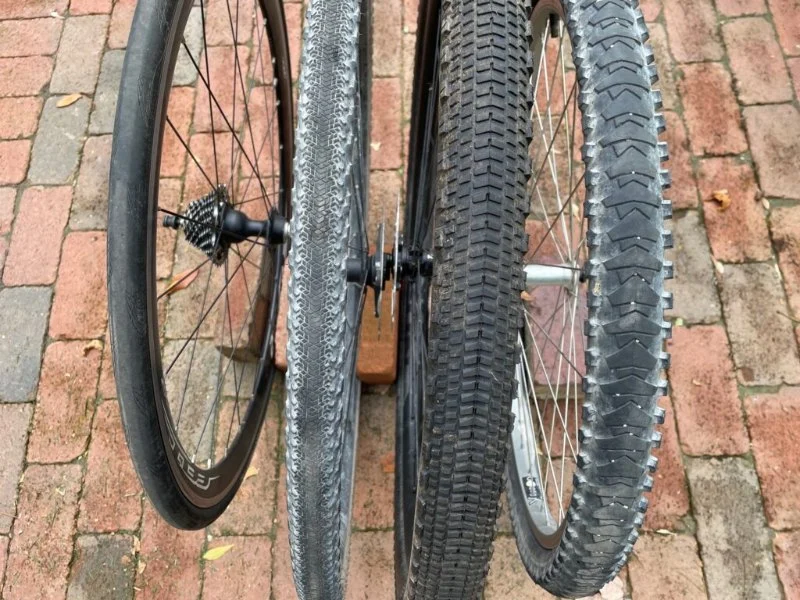
Every road tire is a compromise. Racing tires prioritize speed and low rolling resistance, but they sacrifice durability. Training tires, on the other hand, are designed to withstand constant use and unpredictable road conditions.
Why Durability Beats Pure Speed in Training
In real-world training, stopping mid-ride due to a flat tire destroys consistency. Over time, durability saves more performance gains than marginal speed improvements.
Real Rider Insight
A club rider in Texas switched from lightweight race tires to reinforced training tires after experiencing three punctures in a single month. His average speed dropped slightly, but his weekly mileage increased significantly because he could finally complete uninterrupted rides.
Puncture Resistance: The Most Underrated Training Advantage
If there is one feature that defines the best all-season cycling setup, it is puncture resistance. Modern road surfaces are unpredictable—glass, gravel, metal fragments, and road wear all contribute to flat tires.
Layered Protection Technology
Many modern endurance tires use multi-layer casing systems that block sharp objects before they reach the inner tube or tubeless sealant layer.
Tubeless Systems vs Traditional Tubes
Tubeless setups have become increasingly popular because they self-seal small punctures automatically. However, traditional reinforced tubes still remain a reliable option for riders who prefer simplicity.
Many long-distance cyclists who document their training setups recommend combining puncture-resistant tires with proper pressure management to reduce risk even further. This approach is often highlighted in training communities and professional cycling discussions featured through platforms like Cycling Guider, where riders compare real-world durability results across seasons.
Wet Weather Grip: Confidence in Unpredictable Conditions
Rubber Compounds That Adapt to Temperature
Modern tire compounds are designed to remain flexible in cold conditions while maintaining grip in wet environments. This is especially important for riders training year-round.
Tread Design vs Smooth Racing Tires
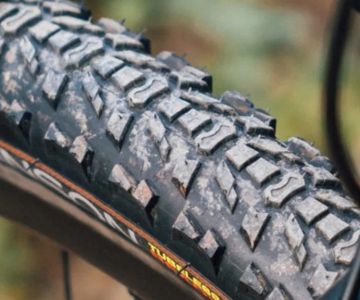
While road tires are generally slick for speed, all-season training tires often incorporate micro-textures that improve water dispersion and road contact stability.
Case Study: Winter Training in New England
A cyclist training through Massachusetts winters reported that switching to high-grip endurance tires reduced corner anxiety dramatically. Even on wet, salted roads, the improved traction allowed for more consistent outdoor training instead of indoor sessions.
Endurance Tires: Built for Long Training Blocks
Endurance cycling demands consistency. Riders training for century rides or long-distance events need tires that perform predictably over thousands of kilometers.
Rolling Efficiency Over Time
Unlike race tires that degrade quickly under heavy mileage, endurance tires are engineered to maintain performance even after extended use.
Comfort Factor in Daily Training
Slightly wider tire profiles (such as 28mm or 32mm) improve shock absorption, reducing fatigue during long rides on imperfect roads.
Real Training Scenario
A commuter cyclist in California reported switching to endurance-focused tires after realizing that comfort on daily 40-mile commutes mattered more than marginal speed gains. The reduced vibration led to improved recovery between rides.
Choosing the Right Training Tire Setup for Your Riding Style
Urban Riders vs Rural Climbers
City riders often prioritize puncture resistance due to debris-heavy roads, while rural riders may focus more on grip and rolling resistance for elevation changes.
Pressure Optimization Strategy
Correct tire pressure is just as important as tire selection. Slightly lower pressure improves grip and comfort, while higher pressure enhances speed on smooth pavement.
Common Mistake Among New Riders
Many beginners overinflate tires thinking it improves performance. In reality, this reduces grip and increases fatigue on longer rides.
Real-World Training Setup: A Balanced Recommendation
A balanced all-season training setup typically includes reinforced casing tires with moderate tread texture, designed to handle mixed conditions without sacrificing too much speed. Riders who train consistently throughout the year benefit most from this hybrid approach.
In group cycling communities, experienced riders often share that consistency beats optimization. A tire that lets you ride every day without interruption is more valuable than one that is slightly faster but unreliable in bad weather.
One veteran cyclist summarized it simply after 10,000+ miles of training: “The best tire is the one that doesn’t make you think about it mid-ride.”
How Tire Choice Shapes Long-Term Cycling Progress
Over time, the difference between good and great training tires becomes obvious not in speed metrics, but in consistency, confidence, and ride frequency. Riders who experience fewer mechanical interruptions naturally train more, improving endurance and performance.
The evolution of best road bike tires for all-season training reflects a broader shift in cycling culture—from chasing peak performance on a single ride to building sustainable, year-round progression.


 all3sports4.0 (78 reviews)
 SF Wheels4.0 (148 reviews)
 Bob's Cycle Center4.0 (100 reviews)
 Brooklyn Bikery4.0 (189 reviews)
 Solo Cycles4.0 (123 reviews)
 Pedego Electric Bikes Spring Lake4.0 (96 reviews)
 How to Teach Kids to Ride a Bike: A Step-by-Step Guide for Parents
 Tips for Riding on Busy City Streets: Smart Strategies for Urban Cyclists
 Best US National Parks for Mountain Biking: Ride Epic Trails Across America
 Best Aero Helmets for Time Trials and Racing
 How to Clean and Lubricate Your Bike Chain Like a Pro
 10 Must-Have Items for Long-Distance Cycling Trips