
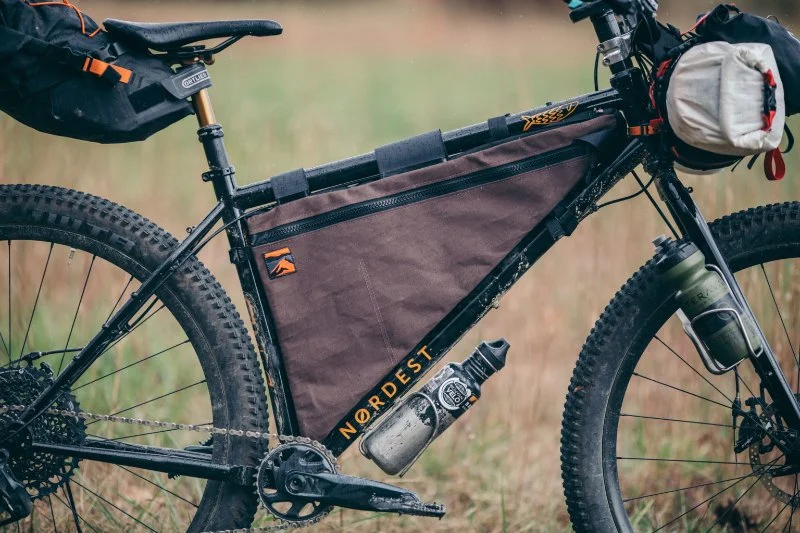
- frame-bag-cooking-setup-basics - Understanding compact cooking systems for bikepacking efficiency
- best-ultralight-cook-kits - How to choose the right lightweight cooking gear for long rides
- space-saving-bike-kitchen - Packing strategies for frame bag optimization
- real-bikepacking-experience - Practical stories from long-distance touring cyclists
- gear-recommendations-analysis - Reviewing stoves, pots, and compact cookware systems
Why Compact Cooking Gear Matters in Bikepacking Adventures
Bikepacking has evolved from a niche endurance activity into a full-blown adventure lifestyle. Riders covering hundreds of miles across mixed terrain quickly learn one critical truth: every centimeter of space in a frame bag matters. That’s why choosing the right bikepacking cook kits that fit in a frame bag is not just a gear decision—it’s a performance decision.
Unlike traditional camping, bikepacking forces a constant balance between weight, accessibility, and stability. A poorly chosen cook set can throw off bike handling or force inconvenient unpacking during wet or windy conditions. Riders who master compact cooking setups often report smoother trips, fewer stops, and better overall endurance.
At Cycling Guider, many riders share how refining their cooking system transformed their entire travel experience. Instead of bulky cookware strapped to rear racks, everything becomes modular, silent, and perfectly integrated into a frame bag layout.
How a Frame Bag Changes Your Entire Cooking Strategy
Weight Distribution and Ride Stability
Frame bags sit inside the triangle of your bike frame, keeping weight low and centered. This is ideal for carrying compact camping stove kits and lightweight cookware because it prevents sway and reduces fatigue on long climbs.
A rider named “Mark from Colorado” once described how switching to a frame bag system eliminated the annoying side wobble he experienced with rear panniers. That improvement alone allowed him to extend his daily mileage by nearly 20%.
Access vs. Organization
Unlike backpacks or saddlebags, frame bags require intentional organization. The most efficient bike touring kitchen setup is one where stove, pot, fuel, and utensils are arranged in a fixed sequence. This reduces setup time at camp and prevents digging through scattered gear in the rain.
Space Constraints That Encourage Better Gear Choices
The limited volume forces cyclists to abandon oversized cookware in favor of ultralight camping cookware systems. Titanium pots, collapsible cups, and integrated stove-fuel combos become the norm rather than the exception.
Core Components of the Best Bikepacking Cook Kits
1. Compact Stove Systems
A reliable stove is the heart of any cook kit. The most popular compact camping stove kits use canister fuel systems because they are small, efficient, and easy to ignite even in windy conditions.
Some riders prefer integrated systems where the stove locks directly into the fuel canister. This reduces setup time and ensures stability on uneven terrain. However, others opt for ultralight burner heads paired with custom titanium pots for maximum flexibility.
2. Ultralight Pots and Cookware
Modern backpacking cookware sets often use titanium or hard-anodized aluminum. Titanium is lighter but more expensive, while aluminum offers better heat distribution. The best choice depends on how often you cook hot meals versus simple boil-and-go routines.
A common real-world example comes from long-distance riders on the Great Divide route. Many report switching to single 750ml titanium pots because they can boil water for coffee, cook noodles, and even prepare dehydrated meals without needing multiple containers.
3. Collapsible Eating Tools
Silicone bowls, foldable sporks, and nesting utensils are essential for a space-saving bike kitchen. They compress into nearly flat shapes, making them ideal for frame bag integration.
4. Fuel Storage Strategy
Fuel canisters or alcohol fuel bottles must be placed carefully within the frame bag system. Many experienced riders wrap them in clothing layers to prevent rattling and protect against temperature fluctuations.
Best Bikepacking Cook Kits That Fit in a Frame Bag
Minimalist Solo Kit Setup
This setup is ideal for riders who prioritize speed and weight reduction. It usually includes a small titanium pot, a compact burner, and a folding spork. Everything fits neatly into one side of the frame bag.
A solo rider traveling across the Pacific Northwest shared how this setup allowed him to maintain a sub-10kg total bike load, making steep forest climbs significantly easier.
Balanced Touring Kitchen System
For riders who value comfort, a slightly larger setup includes a pot, pan lid, burner, and small seasoning container. This still fits in a frame bag but requires more precise packing.
This configuration is popular among weekend touring cyclists who want hot meals without sacrificing too much storage space for clothing or repair kits.
Advanced Multi-Day Expedition Kit
Long-distance cyclists often combine modular cookware with dehydrated food systems. This setup may include nested pots, a heat exchanger stove, and dedicated fuel storage compartments.
At Cycling Guider, one featured rider documented a 14-day desert crossing using only a frame bag cooking system. The key was disciplined packing and strict portion control of fuel and food supplies.
Packing Strategy for Maximum Efficiency
Layering Based on Frequency of Use
Items used daily, such as the stove and pot, should be placed at the top of the frame bag. Less frequently used items like backup fuel or spice kits go deeper inside.
Noise Reduction and Vibration Control
Loose metal cookware can create constant noise while riding. Wrapping items in soft gear such as clothing or dry bags reduces vibration and improves ride comfort.
Weather Protection Considerations
Even waterproof frame bags can accumulate condensation. Keeping cookware dry is essential to prevent corrosion or residue buildup, especially after cooking over open flame or wet conditions.
Real-World Experience: A Weekend Bikepacking Story
A cyclist named Elena shared her experience riding through the Appalachian foothills with a minimal cook setup. On her first trip, she packed too many items and struggled with disorganized gear. On her second attempt, she streamlined everything into a single frame bag compartment.
The difference was immediate. Instead of spending 20 minutes unpacking at each stop, she could set up dinner in under five minutes. That efficiency allowed more time for rest, photography, and enjoying the environment.
Her experience reflects a common truth among bikepackers: simplifying your cooking system often improves the entire journey more than upgrading the bike itself.
Choosing the Right Setup for Your Riding Style
Short Weekend Trips
Focus on ultralight camping cookware with minimal fuel needs. Speed and simplicity matter more than cooking variety.
Multi-Day Touring
A balanced approach works best. Include a slightly larger pot, backup fuel, and compact spice options for variety in meals.
Expedition-Level Riding
Durability and redundancy become important. Modular systems and repair-friendly gear are preferred for unpredictable conditions.
Expert Insight on Gear Optimization
Experienced bikepackers often emphasize that the best bikepacking cook kits that fit in a frame bag are not necessarily the most expensive ones—they are the most intentional ones. Every item must justify its presence through either weight efficiency, multi-functionality, or emotional value (like morale-boosting hot meals).
Cycling Guider frequently highlights that successful riders think less like campers and more like engineers, constantly optimizing their system until every gram and centimeter serves a purpose.
 E-Bike-A-Go-Go5.0 (65 reviews)
 Electric Spinz Electric Bike Rentals and Sales4.0 (224 reviews)
 Bike Masters4.0 (333 reviews)
 R+E Cycles (Rodriguez Bicycle Company)4.0 (73 reviews)
 Trek Bicycle Tustin4.0 (715 reviews)
 Oregon Bike Shop4.0 (87 reviews)
 How to Teach Kids to Ride a Bike: A Step-by-Step Guide for Parents
 Tips for Riding on Busy City Streets: Smart Strategies for Urban Cyclists
 Best US National Parks for Mountain Biking: Ride Epic Trails Across America
 Best Aero Helmets for Time Trials and Racing
 How to Clean and Lubricate Your Bike Chain Like a Pro
 10 Must-Have Items for Long-Distance Cycling Trips