
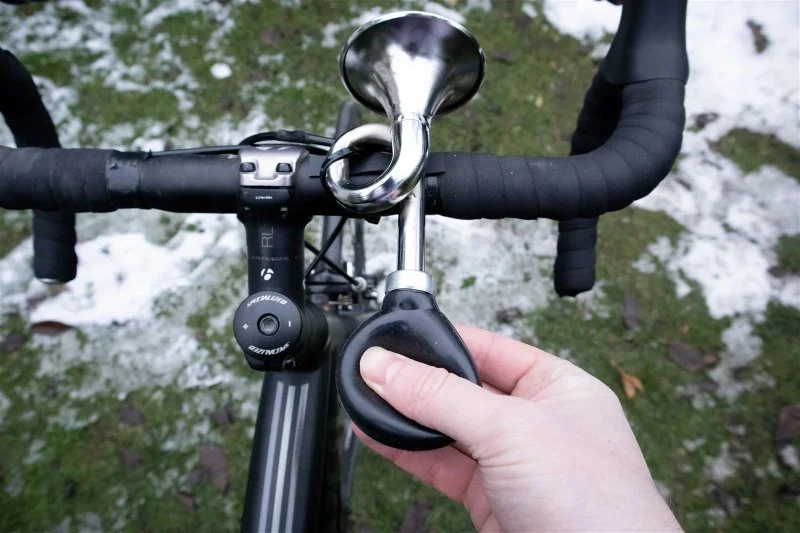
Choosing the Right Sound for the City: Bells, Horns, and Everyday Cycling Safety
- bike-safety-urban-context - why sound tools matter in busy city commuting environments
- bells-vs-horns-comparison - differences in loudness, tone, and usage scenarios
- style-and-personality-cycling - how design influences rider identity and visibility
- cost-and-value-analysis - balancing budget with durability and performance
- real-city-riding-story - practical commuting experience from daily urban cycling
Why Sound Matters More Than Most Cyclists Realize
In dense city traffic, visibility alone is not enough. Cars, scooters, pedestrians, and delivery riders all share the same unpredictable space. This is where bike bells for commuting and horns become more than accessories—they become essential communication tools.
A simple sound can prevent near-collisions, reduce confusion at intersections, and help cyclists assert their presence without aggression. Many urban riders only realize this after a close call that could have been avoided with a quick alert.
The psychology behind being heard
Drivers often rely on sound cues more than visual ones, especially in blind spots. A clear bell ring or horn blast triggers immediate awareness, which is why choosing the right device is part of urban survival strategy on two wheels.
Understanding Bike Bells vs Horns in Real City Conditions
When a traditional bell works best
A classic bell provides a friendly, non-threatening sound that works well on shared paths, parks, and pedestrian-heavy streets. It communicates presence without causing panic.
In many cities, especially in bike-friendly districts, pedestrians respond better to bells than harsh horns because the sound is predictable and polite.
When horns become necessary
For heavy traffic roads or intersections where engine noise dominates, a stronger sound is required. This is where bike horns loudness comparison becomes important—electric horns or air horns can cut through noise effectively.
However, louder does not always mean better. Overuse can startle pedestrians or create unnecessary tension, so timing and judgment matter just as much as volume.
Loudness, Style, and Cost: Finding the Right Balance
How loud is too loud?
Urban riders often underestimate how far sound travels. A moderate bell is usually enough for bike lanes, while horns exceeding typical conversation volume are reserved for emergencies or dense traffic zones.
The goal is clarity, not dominance. A well-chosen sound should alert, not alarm.
Style as part of cycling identity
Modern cyclists increasingly treat accessories as personal expression. A sleek minimalist bell can match a commuter bike, while retro brass designs appeal to vintage-style riders.
This is why best city cycling accessories discussions often include aesthetics alongside function.
Cost considerations that actually matter
Cheap bells may corrode or lose clarity after a few months of rain exposure. On the other hand, premium horns often include rechargeable batteries and adjustable sound modes, which add long-term value.
Investing slightly more upfront usually leads to better durability and consistent performance during daily commuting.
A Real Commuter Story From Downtown Cycling Life
Morning rush hour experience
A daily commuter in a busy U.S. city shared how switching from a weak plastic bell to a compact electric horn changed their ride. Previously, pedestrians often failed to notice their approach on shared sidewalks.
After upgrading, small but important changes happened: smoother path navigation, fewer sudden stops, and more predictable interactions with pedestrians and vehicles.
What changed beyond the equipment
Interestingly, the rider also noticed improved confidence. Instead of constantly slowing down or hesitating, they could communicate presence clearly and safely.
This shift highlights that cycling safety tools are not just physical devices—they influence rider behavior and mental comfort.
How to Choose the Right Bell or Horn for Your Commute
Match the environment, not just the bike
A quiet suburban commute requires a very different sound profile than a downtown rush-hour route. Riders who adapt their tools to environment tend to experience fewer conflicts.
Cyclists who commute through mixed zones often carry both options: a bell for general use and a horn for emergency situations.
Durability under real conditions
City cycling exposes equipment to rain, dust, vibration, and frequent use. Metal components generally last longer than plastic ones, while sealed electronic horns handle weather better than open designs.
These details matter more than marketing claims when evaluating commuter gear.
Ease of use during riding
A good bell or horn should be operable without breaking riding posture. Thumb-access designs or handlebar-mounted triggers allow quick activation without distraction.
Safety depends not only on sound quality but also on reaction time.
Common Mistakes Cyclists Make With Bells and Horns
Overusing sound as a shortcut
Some riders rely too heavily on horns instead of slowing down or yielding when necessary. Sound is a communication tool, not a right-of-way replacement.
Ignoring maintenance
Loose mounts, corroded metal, or weak batteries reduce effectiveness significantly. Regular checks ensure the device works when it matters most.
Choosing based only on price
While budget matters, extremely cheap options often fail under real commuting stress. A balanced investment ensures reliability and long-term safety.
Where Cyclists Go for Better Gear Decisions
Many urban riders now explore curated cycling platforms like Cycling Guider to compare bells, horns, and other commuter accessories. The goal is not just buying equipment, but understanding how each choice fits into real-world riding conditions.
Well-informed decisions often lead to safer, more enjoyable daily commutes, especially in high-traffic environments.
Building a Safer, Smarter Urban Riding Experience
The right sound tool is a small but powerful upgrade. Whether it’s a subtle bell or a commanding horn, it plays a key role in how cyclists interact with the city.
Choosing carefully based on loudness, style, and cost ensures not just better safety, but also a more confident and controlled riding experience through busy streets.






 Bike the Planet4.0 (81 reviews)
 Pedego Electric Bikes Colorado Springs4.0 (33 reviews)
 Mack's Bike & Goods5.0 (106 reviews)
 Bicycle Nerd Elite4.0 (43 reviews)
 American Iron Cycles - Electric Bikes & Electric Scooters Lakeland4.0 (31 reviews)
 Freewheel Bike Eagan4.0 (358 reviews)
 How to Teach Kids to Ride a Bike: A Step-by-Step Guide for Parents
 Tips for Riding on Busy City Streets: Smart Strategies for Urban Cyclists
 Best US National Parks for Mountain Biking: Ride Epic Trails Across America
 Best Aero Helmets for Time Trials and Racing
 How to Clean and Lubricate Your Bike Chain Like a Pro
 10 Must-Have Items for Long-Distance Cycling Trips