
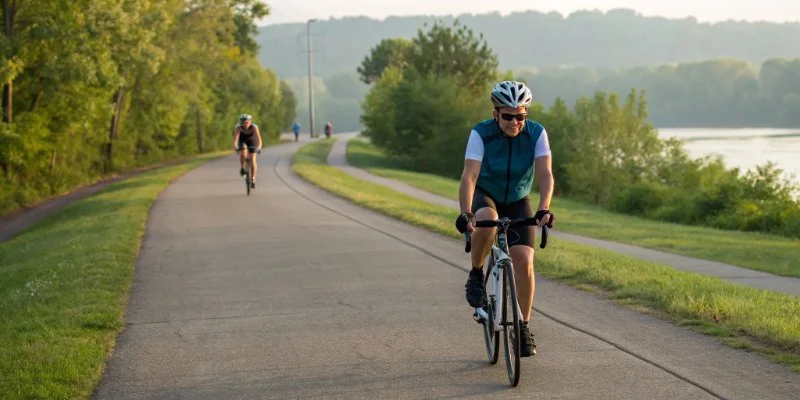
Understanding What a 50-Mile Charity Ride Really Demands
A 50-mile charity ride sounds manageable on paper, especially for casual cyclists who ride occasionally on weekends. But once training begins, many riders quickly realize that endurance cycling is less about raw motivation and more about structured preparation.
The challenge is not just distance—it’s maintaining energy, managing pacing, and avoiding the classic mistake of doing too much too soon. Learning how to train for a 50-mile charity ride without overtraining is what separates a strong, enjoyable ride from a painful experience halfway through the course.
Building a Smart Foundation for Endurance Cycling
Why Consistency Matters More Than Intensity
One of the biggest misconceptions in endurance cycling is that harder training equals better performance. In reality, consistency is far more important. Riding at a steady, manageable pace multiple times per week builds aerobic endurance without exhausting the body.
A beginner cyclist named Jason once trained for a charity ride by doing only intense weekend rides. He quickly became fatigued and even developed knee pain. After switching to shorter, consistent weekday rides, his endurance improved significantly within three weeks.
Establishing a Base Level of Fitness
Before increasing distance, riders should ensure they can comfortably ride 15–20 miles without excessive fatigue. This baseline becomes the foundation for gradual progression toward longer rides.
Skipping this step often leads to overtraining cycling symptoms such as constant soreness, poor sleep, and declining performance.
Creating a Balanced Training Plan That Prevents Burnout
How to Structure Weekly Cycling Workouts
A well-designed 50-mile cycling training plan should include a mix of short rides, one longer weekend ride, and at least one recovery day. The goal is to build endurance while allowing the body to adapt.
For example, a typical week might include:
- Two moderate-paced rides during the week - One rest or active recovery day - One progressively longer ride on the weekend
This structure helps improve stamina without overwhelming the body’s recovery systems.
The Importance of Progressive Distance Increase
Increasing mileage too quickly is one of the most common causes of fatigue and injury. A safe rule is to increase long ride distance by no more than 10–15% per week.
This gradual progression allows muscles, joints, and cardiovascular systems to adapt naturally.
Avoiding Overtraining While Building Endurance
Recognizing Early Warning Signs
Overtraining does not happen overnight. It builds gradually through persistent fatigue, irritability, reduced motivation, and slower recovery times.
Ignoring these signs often leads to burnout just before race day, which defeats the purpose of training altogether.
Balancing Effort With Recovery
Recovery is not passive—it is an essential part of training. Without proper rest, the body cannot rebuild stronger muscle fibers or replenish energy stores.
Cyclists who integrate rest days strategically often outperform those who train daily without breaks.
Real Rider Story: When More Training Became a Problem
A recreational rider preparing for a local 50-mile charity event decided to train every single day, believing it would accelerate progress. Initially, performance improved, but after two weeks, fatigue set in, sleep quality dropped, and motivation disappeared.
He eventually had to take nearly a full week off to recover, losing valuable training momentum. After adjusting his approach to include rest days and structured rides, he completed the event comfortably and even enjoyed the final miles.
His experience highlights a critical lesson: endurance is built through balance, not exhaustion.
Fueling and Hydration Strategies for Long Rides
Why Energy Management Starts Before the Ride
Proper nutrition before and during training rides is essential for sustained performance. Carbohydrate-rich meals before long rides help maintain energy levels, while consistent hydration prevents early fatigue.
Many riders underestimate how quickly energy stores deplete during longer cycling sessions.
Practicing Nutrition During Training
One often overlooked training strategy is practicing race-day nutrition during longer rides. This helps the body adapt to fueling on the move and prevents digestive issues on event day.
Energy gels, bars, and electrolyte drinks should be tested during training—not introduced for the first time during the actual charity ride.
Recovery Strategies That Improve Performance
Why Recovery Days Are Part of Training
Recovery allows muscles to rebuild stronger after stress. Without it, fatigue accumulates and performance declines.
Light stretching, walking, or gentle spinning can improve blood flow and reduce soreness without adding strain.
Sleep and Adaptation
Sleep is one of the most powerful performance tools for cyclists. During deep sleep, the body repairs muscle tissue and restores energy levels.
Riders who prioritize sleep often experience faster adaptation and improved endurance gains compared to those who neglect rest.
Preparing Mentally and Physically for Ride Day
Building Confidence Through Training Milestones
Reaching intermediate distance goals, such as 25 or 35 miles during training, builds confidence for the full 50-mile challenge. These milestones help reduce anxiety and reinforce pacing strategy.
Staying Calm and Pacing Smartly
On ride day, excitement often leads to starting too fast. Maintaining a controlled pace in the first half of the ride ensures energy is preserved for the final miles.
Experienced cyclists often say the real challenge begins after mile 35, when fatigue sets in and discipline becomes more important than speed.
Turning Training Into a Long-Term Cycling Habit
A 50-mile charity ride is not just a one-time goal—it can be the beginning of a healthier, more consistent cycling lifestyle. With the right approach, training becomes enjoyable rather than exhausting.
Riders who focus on balance, gradual progression, and recovery often find themselves continuing long after the event is over. For those looking to deepen their cycling journey, Cycling Guider provides insights and resources to support endurance training, performance improvement, and long-distance riding success.

 City Bikes Midtown4.0 (431 reviews)
 Cadence Cyclery of McKinney4.0 (495 reviews)
 JUNKY RUSTY BIKES2.0 (10 reviews)
 Crank Cycle & Fitness4.0 (33 reviews)
 Atkins Verona Bicycle Shoppe4.0 (104 reviews)
 Racer's Edge4.0 (88 reviews)
 How to Teach Kids to Ride a Bike: A Step-by-Step Guide for Parents
 Tips for Riding on Busy City Streets: Smart Strategies for Urban Cyclists
 Best US National Parks for Mountain Biking: Ride Epic Trails Across America
 Best Aero Helmets for Time Trials and Racing
 How to Clean and Lubricate Your Bike Chain Like a Pro
 10 Must-Have Items for Long-Distance Cycling Trips