
- #understanding-road-rash-and-why-it-happens - Understanding Road Rash and Why It Happens
- #essential-protective-gear-for-injury-prevention - Essential Protective Gear for Injury Prevention
- #riding-techniques-that-reduce-crash-risk - Riding Techniques That Reduce Crash Risk
- #common-mistakes-that-lead-to-serious-skin-injuries - Common Mistakes That Lead to Serious Skin Injuries
- #real-life-cycling-and-motorcycle-accident-stories - Real Life Cycling and Motorcycle Accident Stories
- #first-aid-steps-for-road-rash-injuries - First Aid Steps for Road Rash Injuries
- #recovery-process-and-skin-healing-strategies - Recovery Process and Skin Healing Strategies
- #long-term-prevention-and-safe-riding-habits - Long Term Prevention and Safe Riding Habits
Understanding Road Rash and Why It Happens
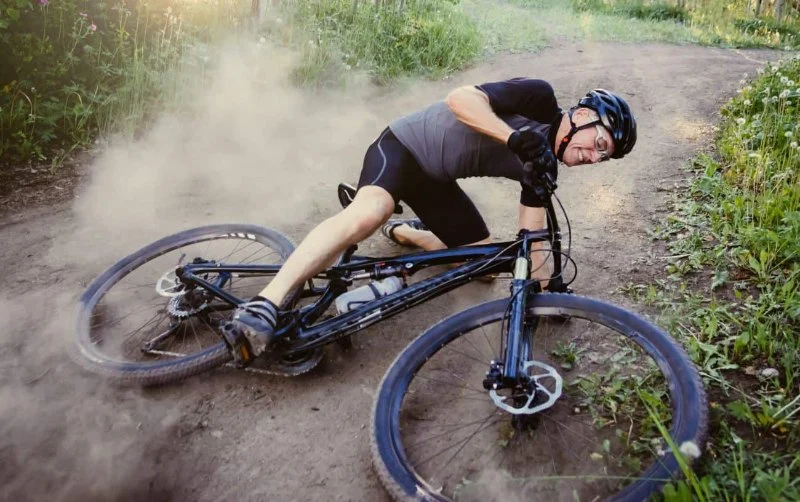
Road rash is one of the most common injuries among cyclists, motorcyclists, and even skateboarders. It occurs when the skin makes direct contact with rough surfaces like asphalt during a fall or collision. The friction can remove layers of skin instantly, leading to painful abrasions that vary from mild scrapes to severe tissue damage.
In the United States, emergency departments report thousands of road rash cases every year, especially during warmer months when outdoor riding increases. While often considered a “minor” injury, severe cases can lead to infections, scarring, and long recovery periods if not properly treated.
Understanding how road rash happens is the first step toward preventing it. Most injuries occur not from high-speed crashes alone but from lack of protective gear, poor riding decisions, or unexpected road conditions such as gravel, wet pavement, or sudden obstacles.
Essential Protective Gear for Injury Prevention
One of the most effective ways to reduce road rash severity is wearing proper protective gear. Helmets are widely recognized as essential, but full-body protection is equally important for preventing skin injuries.
Cyclists and riders who wear abrasion-resistant jackets and pants significantly reduce the risk of severe skin damage during falls. Materials like Kevlar-reinforced fabric and leather are designed to withstand sliding friction on asphalt, which is the primary cause of road rash injuries.
Gloves also play a critical role. In most crashes, instinct causes riders to extend their hands, making palms highly vulnerable. A good pair of padded gloves can prevent deep abrasions and even fractures in some cases.
For serious riders, protective shorts or padded cycling kits add another layer of defense. While they may feel slightly bulky at first, they provide essential protection that becomes invaluable during unexpected accidents.
Platforms like Cycling Guider help riders explore protective gear options tailored to different riding styles, from casual biking to high-speed cycling environments.
Riding Techniques That Reduce Crash Risk
Preventing road rash is not only about gear but also about how you ride. Proper riding techniques can significantly reduce the likelihood of crashes in the first place. Maintaining a controlled speed is one of the most important factors, especially on unfamiliar or uneven roads.
Another key technique is predictive riding—constantly scanning the road ahead for potential hazards such as potholes, debris, or sudden turns. Many accidents happen because riders react too late to visible obstacles.
Proper braking technique also plays a major role. Sudden front-wheel braking is a common cause of loss of control. Instead, experienced riders distribute braking pressure evenly between front and rear brakes to maintain balance.
Maintaining safe distance from vehicles is essential for both cyclists and motorcyclists. Many road rash injuries occur when riders are forced to swerve or stop abruptly due to unexpected traffic movements.
Common Mistakes That Lead to Serious Skin Injuries
One of the most frequent mistakes riders make is underestimating short-distance trips. Many accidents occur within a few blocks of home, where riders feel safe enough to skip protective gear.
Another common issue is wearing inappropriate clothing. Thin fabrics or casual wear offer almost no protection during a slide on asphalt. Even short slides can cause severe abrasions if skin is exposed.
Overconfidence is another major factor. Experienced riders sometimes become less cautious over time, leading to risky maneuvers or reduced attention to road conditions.
Weather conditions also contribute to mistakes. Wet roads, loose gravel, or low visibility increase the likelihood of slipping or losing control, especially when riders do not adjust their speed accordingly.
Real Life Cycling and Motorcycle Accident Stories
Many riders only fully understand the seriousness of road rash after experiencing it firsthand. One commonly shared story involves a recreational cyclist in California who fell during a downhill ride after hitting loose gravel. Despite wearing a helmet, he had no protective jacket, resulting in severe abrasions on his arms and shoulders that required weeks of recovery.
Another widely discussed case involves a delivery motorcyclist in New York who slipped on wet pavement while making a turn. His protective gloves and jacket significantly reduced injury severity, allowing him to return to work much sooner than expected. This case highlights the importance of proper gear in real-world situations.
A group riding incident often cited in cycling communities involves multiple riders caught in a sudden road obstruction during a charity event. Those wearing full protective gear experienced only minor abrasions, while others without proper clothing suffered more serious injuries.
These real-life experiences demonstrate that road rash severity is often determined before the crash even happens—through preparation and gear choices.
First Aid Steps for Road Rash Injuries
Immediate care after a road rash injury is critical in preventing infection and promoting faster healing. The first step is to gently clean the affected area with clean water to remove dirt and debris. Avoid using harsh scrubbing, as this can worsen tissue damage.
After cleaning, applying a sterile dressing helps protect the wound from further contamination. In more severe cases, medical attention may be required to properly clean deeper abrasions and remove embedded particles.
Keeping the wound moist with appropriate ointments can support healing and reduce scarring. It is also important to monitor for signs of infection such as increased redness, swelling, or unusual discharge.
Pain management may involve over-the-counter medications, but proper wound care remains the most important factor in recovery.
Recovery Process and Skin Healing Strategies
Healing from road rash depends on the severity of the injury. Mild abrasions may heal within a week, while deeper wounds can take several weeks or even longer. During this time, proper wound care is essential to avoid complications.
Keeping the affected area clean and protected from friction helps prevent reopening of the wound. Nutrition also plays a role in recovery, as proteins, vitamins, and hydration support tissue repair.
Some riders find that using silicone-based scar reduction products helps improve skin appearance after healing, though results vary depending on individual skin type and injury severity.
Patience is key during recovery. Rushing back into riding too soon can increase the risk of re-injury and prolong the healing process.
Long Term Prevention and Safe Riding Habits
Preventing road rash is ultimately about building consistent safety habits. Wearing protective gear every ride, regardless of distance, is one of the most effective long-term strategies.
Regular maintenance of bicycles and motorcycles also contributes to safety. Proper tire pressure, brake function, and mechanical checks reduce the risk of unexpected failures that can lead to accidents.
Developing a mindset of defensive riding—assuming that unexpected hazards can appear at any time—helps riders stay alert and responsive on the road.
Over time, these habits become second nature, significantly reducing the likelihood of injury and improving overall riding confidence.




 Around Town Bicycles Inc4.0 (70 reviews)
 Advanced Cycles Orlando, FL4.0 (249 reviews)
 Pompton Cycle4.0 (32 reviews)
 Seattle Electric Bike4.0 (110 reviews)
 RiNoVELO Bicycle Workshop4.0 (22 reviews)
 Trek Bicycle Westlake Village4.0 (577 reviews)
 How to Teach Kids to Ride a Bike: A Step-by-Step Guide for Parents
 Tips for Riding on Busy City Streets: Smart Strategies for Urban Cyclists
 Best US National Parks for Mountain Biking: Ride Epic Trails Across America
 Best Aero Helmets for Time Trials and Racing
 How to Clean and Lubricate Your Bike Chain Like a Pro
 10 Must-Have Items for Long-Distance Cycling Trips