
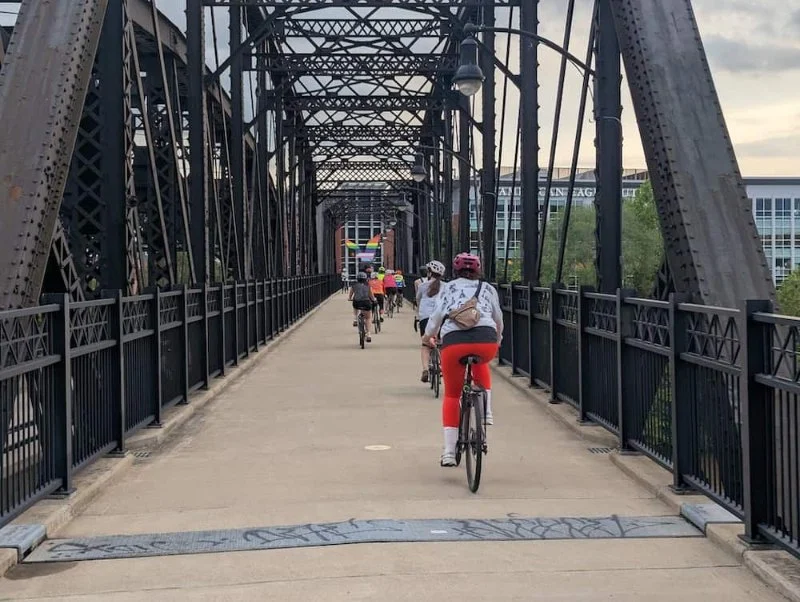
- Preparation for Urban Cycling - Gear and Mindset
- Understanding Bridge and Tunnel Risks - What Makes Them Challenging
- Choosing the Right Lanes - Positioning for Safety
- Speed and Control - Maintaining Confidence
- Visibility and Signaling - Communicating with Traffic
- Handling Wind and Traffic Flow - Techniques for Bridges
- Navigating Tunnels Safely - Lighting and Lane Discipline
- Real-World Example - City Bridge Commute Success Story
- Preventative and Practice Tips - Building Long-Term Confidence
Preparation for Urban Cycling - Gear and Mindset
Before tackling busy bridges and tunnels, ensure your bicycle is in optimal condition and you have the proper safety gear. This includes a well-maintained bike, helmet, reflective clothing, and lights for visibility. Developing a confident mindset is equally important to anticipate challenges in high-traffic areas.
Essential Gear
Front and rear lights, reflective elements, a bell or horn, and proper cycling gloves enhance safety and control.
Mental Readiness
Urban cycling requires alertness and composure. Familiarize yourself with traffic patterns and possible hazards to increase confidence.
Understanding Bridge and Tunnel Risks - What Makes Them Challenging
Bridges and tunnels present unique challenges, including high vehicle density, narrow lanes, wind gusts, and limited escape routes. Understanding these factors helps cyclists make informed decisions during rides.
Traffic Density
Heavy vehicular traffic requires heightened awareness and predictable movement to avoid accidents.
Environmental Factors
Wind, wet surfaces, and noise levels can impact stability and concentration. Proper preparation mitigates these risks.
Choosing the Right Lanes - Positioning for Safety
Lane selection is crucial for maintaining safety and confidence on busy routes.
Stay Visible
Position yourself where drivers can see you clearly, avoiding blind spots. Use lane positioning techniques recommended by urban cycling experts.
Avoid Edges
Riding too close to barriers or curbs increases the risk of collisions and loss of balance. Maintain a consistent buffer zone.
Speed and Control - Maintaining Confidence
Control your speed relative to traffic conditions. Smooth acceleration, deceleration, and consistent pedaling reduce the risk of surprises.
Braking Techniques
Use both front and rear brakes gradually to maintain stability, especially on inclines or during sudden stops.
Turning and Cornering
Maintain a safe speed during turns. Lean slightly and position your body to handle curves or entrance ramps on bridges.
Visibility and Signaling - Communicating with Traffic
Effective communication with other road users is critical for safety.
Hand Signals
Clearly indicate turns, stops, and lane changes. Combine signals with eye contact when possible.
Reflective Gear
Use reflective vests, bright clothing, and lights to enhance visibility, especially in low-light conditions inside tunnels.
Handling Wind and Traffic Flow - Techniques for Bridges
Bridges often expose riders to crosswinds and fast-moving vehicles. Adjust body position by leaning slightly into wind gusts and gripping handlebars firmly.
Drafting Awareness
Maintain safe distance from larger vehicles to prevent sudden turbulence and improve stability.
Traffic Anticipation
Watch for lane shifts, merging vehicles, and gaps to make smooth adjustments without abrupt movements.
Navigating Tunnels Safely - Lighting and Lane Discipline
Tunnels reduce visibility and amplify noise, requiring additional caution.
Lighting Techniques
Use bright front lights to see obstacles and rear lights to ensure visibility to drivers.
Lane Discipline
Maintain a steady line and avoid weaving. Choose the lane that maximizes visibility and personal space.
Real-World Example - City Bridge Commute Success Story
Jane, an urban cyclist in New York City, mastered crossing the Brooklyn Bridge during peak hours. By applying lane positioning, signaling, and controlled speed strategies, she commutes confidently daily without incidents. Her experience illustrates the effectiveness of preparation, awareness, and consistent technique.
Preventative and Practice Tips - Building Long-Term Confidence
Consistent practice and preparation improve skills over time.
Practice on Low-Traffic Bridges
Gradually increase exposure to busier bridges and tunnels to build comfort.
Emergency Handling Drills
Learn techniques for quick stops, swerving safely, and maintaining balance in unexpected situations.
Stay Updated on Traffic Rules
Familiarity with local cycling regulations ensures compliance and enhances confidence.
For guidance on equipment, route selection, and personalized training tips, Cycling Guider offers expert resources to help cyclists ride confidently on busy bridges and tunnels while staying safe.
By combining preparation, risk assessment, proper lane choice, controlled speed, effective signaling, and consistent practice, cyclists can navigate urban bridges and tunnels with assurance, improving safety and riding experience.

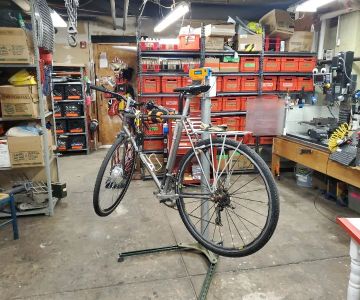
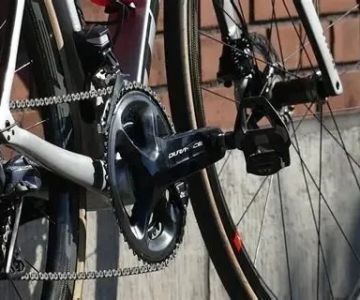
 NEXGEN CYCLE5.0 (16 reviews)
 Omer and Bob's4.0 (127 reviews)
 First Mile Cycle Works4.0 (69 reviews)
 Stay True Cycles5.0 (276 reviews)
 Conte's Bike Shop4.0 (274 reviews)
 Trek Bicycle Upper East Side4.0 (404 reviews)
 How to Teach Kids to Ride a Bike: A Step-by-Step Guide for Parents
 Tips for Riding on Busy City Streets: Smart Strategies for Urban Cyclists
 Best US National Parks for Mountain Biking: Ride Epic Trails Across America
 Best Aero Helmets for Time Trials and Racing
 How to Clean and Lubricate Your Bike Chain Like a Pro
 10 Must-Have Items for Long-Distance Cycling Trips