
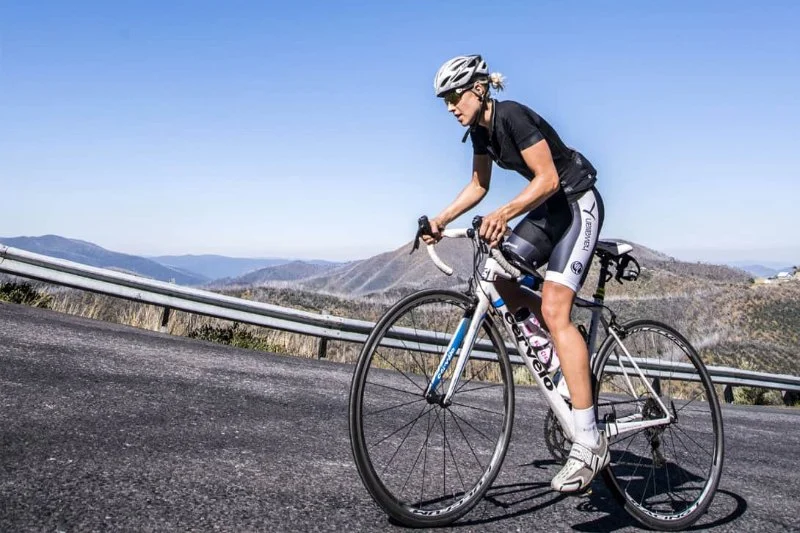
- Understanding Pedaling Efficiency - The Key to Better Cycling Performance
- Importance of Cadence in Pedaling
- Pedaling Drills to Boost Efficiency
- Technique Improvements for Optimal Power Transfer
- Analyzing and Adjusting Your Pedal Stroke
- Strength and Conditioning for Pedaling Efficiency
- Real-World Examples and Success Stories
- Expert Advice and Recommendations
Understanding Pedaling Efficiency - The Key to Better Cycling Performance
Pedaling efficiency is the measure of how effectively a cyclist converts energy into forward motion. Achieving optimal efficiency reduces fatigue, improves endurance, and allows for higher speeds with less effort.
1. Energy Conversion
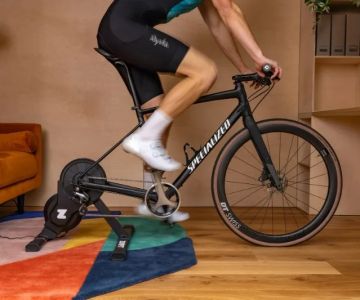
Every pedal stroke involves energy transfer from the legs to the bike’s drivetrain. A smooth and balanced stroke ensures minimal energy loss.
2. Muscle Engagement
Efficient pedaling requires coordinated engagement of the quadriceps, hamstrings, glutes, and calves, ensuring consistent power throughout the stroke.
Importance of Cadence in Pedaling
1. Optimal RPM
Maintaining a cadence between 80-100 RPM is generally recommended for endurance riders, balancing power output and energy conservation.
2. Low vs High Cadence
Low cadence increases muscular fatigue, while high cadence may lead to inefficient movements. Finding your optimal rhythm is key.
3. Heart Rate and Efficiency
Monitoring heart rate alongside cadence ensures you are pedaling efficiently without overstraining your cardiovascular system.
Pedaling Drills to Boost Efficiency
1. Single-Leg Drill
Focus on pedaling with one leg at a time to improve balance, smoothness, and muscle activation. This drill helps identify weak points in your pedal stroke.
2. High-Cadence Intervals
Alternate between short bursts of high cadence (100-120 RPM) and steady cadence to train neuromuscular control and improve pedaling rhythm.
3. Resistance Pedaling
Using higher gears at moderate cadence strengthens muscles and enhances power transfer without compromising technique.
Technique Improvements for Optimal Power Transfer
1. Foot Positioning
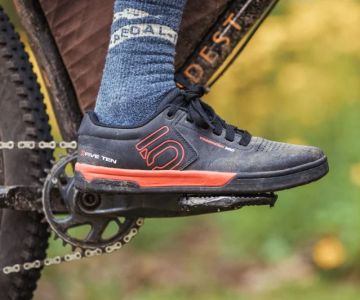
Placing the ball of your foot over the pedal spindle ensures better leverage and reduces knee strain.
2. Smooth Stroke Motion
Focus on pulling up as well as pushing down, creating a circular pedal stroke that engages more muscle groups efficiently.
3. Upper Body Stability
Maintaining a relaxed upper body reduces wasted energy and ensures that leg power is transmitted effectively to the pedals.
Analyzing and Adjusting Your Pedal Stroke
1. Video Analysis
Recording your pedal stroke helps identify uneven power delivery, knee tracking issues, and other inefficiencies.
2. Power Meter Feedback
Using a power meter allows precise measurement of left-right leg balance and overall pedaling smoothness.
3. Incremental Adjustments
Gradually modify technique based on feedback to enhance efficiency without overloading muscles.
Strength and Conditioning for Pedaling Efficiency
1. Core Strength
A strong core stabilizes the bike and supports consistent pedaling motion.
2. Leg Strength
Squats, lunges, and leg presses build the power necessary for sustained efficient pedaling.
3. Flexibility and Mobility
Stretching hamstrings, hip flexors, and calves prevents injury and allows full range of motion for optimal pedal strokes.
Real-World Examples and Success Stories
Emma’s Cadence Transformation
Emma, a recreational cyclist, improved her average speed by 15% after incorporating high-cadence intervals and single-leg drills twice a week.
Jason’s Technique Adjustment
Jason, a competitive rider, optimized his pedal stroke using video analysis and minor foot position adjustments, resulting in reduced fatigue during long rides.
Expert Advice and Recommendations
Experts recommend combining drills, cadence monitoring, and strength training for maximum results. For personalized coaching, gear recommendations, and detailed drill plans, Cycling Guider offers expert guidance tailored to your cycling goals.
By committing to consistent practice and monitoring your progress, improving pedaling efficiency can lead to stronger rides, enhanced endurance, and a more enjoyable cycling experience overall.
 High Voltage Ebikes5.0 (31 reviews)
 Spin Zone Cycling4.0 (514 reviews)
 Crofton Bike Doctor4.0 (526 reviews)
 Maplewood Bike Shed4.0 (156 reviews)
 Trek Bicycle Livermore4.0 (441 reviews)
 Trek Bicycle Towson4.0 (443 reviews)
 How to Teach Kids to Ride a Bike: A Step-by-Step Guide for Parents
 Tips for Riding on Busy City Streets: Smart Strategies for Urban Cyclists
 Best US National Parks for Mountain Biking: Ride Epic Trails Across America
 Best Aero Helmets for Time Trials and Racing
 How to Clean and Lubricate Your Bike Chain Like a Pro
 10 Must-Have Items for Long-Distance Cycling Trips