
- mtb-shoes-flat-pedals-grip-comfort-performance-overview
- sticky-rubber-outsoles-traction-and-technical-trail-control
- comfort-design-for-long-rides-and-endurance-mountain-biking
- best-mtb-shoes-for-flat-pedals-real-world-rider-experiences
- downhill-trail-and-enduro-shoe-requirements-and-differences
- common-mistakes-choosing-flat-pedal-cycling-shoes
- cycling-guider-recommendations-for-gear-selection-and-fit
- maintenance-care-and-extending-lifespan-of-mtb-footwear
Why MTB Shoes for Flat Pedals Matter More Than Most Riders Think
For many mountain bikers in the US, especially trail and enduro riders, the connection between shoe and pedal is often underestimated. Yet anyone who has slipped off a pedal mid-descent knows how critical that connection truly is. The best MTB shoes for flat pedals are not just about comfort—they are about control, confidence, and safety on unpredictable terrain.
Unlike clip-in systems, flat pedal setups rely entirely on the grip between the outsole rubber and pedal pins. That means the shoe becomes the most important interface between rider and bike. A poor choice can lead to foot fatigue, reduced traction, and even crashes on technical trails. A well-designed shoe, however, feels like it “locks in” without actually locking, giving riders freedom with security.
This balance between grip and comfort has pushed modern mountain biking footwear into a new era of design innovation. Riders are no longer choosing between soft comfort or aggressive grip—they expect both.
Understanding Grip Technology in Flat Pedal MTB Shoes
Sticky rubber compounds and pedal interaction
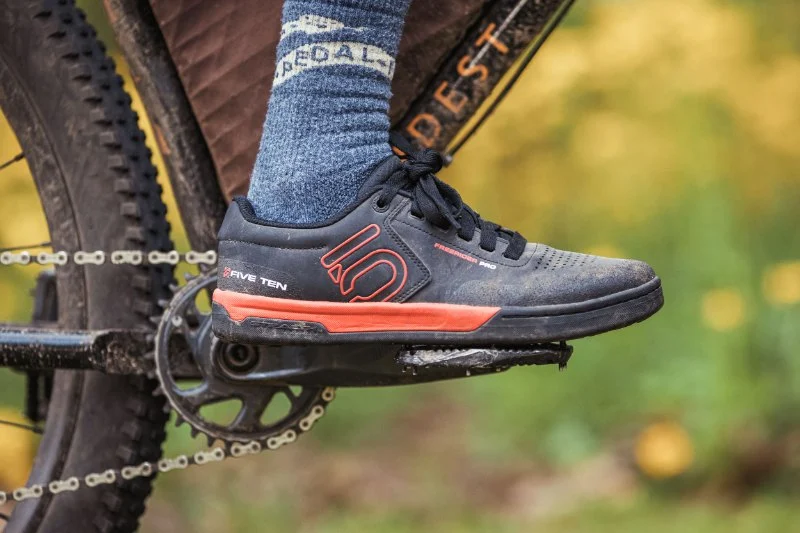
The defining feature of high-quality MTB shoes for flat pedals is the rubber compound used in the outsole. Brands now use proprietary “sticky rubber” formulas designed to interact with metal pins on flat pedals. This creates micro-friction points that hold the foot in place even during aggressive movements.
Unlike traditional sneakers or casual footwear, these rubber compounds are engineered for deformation under pressure. When a rider applies force, the sole slightly molds around pedal pins, increasing contact surface and improving traction. This is especially important on steep descents or technical rock gardens where foot stability can make or break a ride.
Tread patterns and pedal compatibility
Tread design also plays a crucial role. Some shoes feature hexagonal or dot-patterned soles, while others use directional grooves that align with pedal pin layouts. Riders who frequently switch between trail conditions often prefer multi-directional tread patterns because they offer consistent grip even when foot positioning shifts.
A real-world example comes from a rider in Colorado who reported frequent foot slippage on wet granite trails using generic trainers. After switching to purpose-built flat pedal MTB shoes, the improvement in stability was immediate, especially during downhill sections where precise foot placement is essential.
Comfort Design for Long Trail Rides and Endurance Cycling
Midsole cushioning and impact absorption
Comfort is not just a luxury in mountain biking—it directly affects performance. Long rides on uneven terrain place constant pressure on the feet, especially through the arch and heel. The best MTB shoes for flat pedals integrate EVA midsoles or similar cushioning materials that absorb vibration from rocky trails.
Without proper cushioning, riders often experience numbness or burning sensations in the feet after prolonged descents. Modern designs reduce this strain by distributing pressure evenly across the footbed, allowing riders to maintain control for longer periods without discomfort.
Breathability and temperature control
Trail riding often involves changing conditions—cool forests, hot climbs, and muddy descents. Breathable upper materials help regulate temperature and reduce moisture buildup inside the shoe. Mesh panels and perforated synthetic fabrics are commonly used to maintain airflow without sacrificing durability.
In humid riding environments, especially during summer trail events in states like Utah or North Carolina, breathable MTB shoes can significantly improve comfort and prevent skin irritation caused by prolonged sweat exposure.
Best MTB Shoes for Flat Pedals in Real Riding Conditions
Trail-tested performance in North American terrain
Across the US mountain biking community, riders consistently highlight the importance of shoe durability and grip consistency. From the rocky trails of Arizona to muddy forest routes in Oregon, conditions vary widely, making versatile footwear essential.
One rider story from a weekend group ride in California’s Santa Cruz mountains stands out. A cyclist using budget shoes struggled on steep switchbacks, repeatedly losing pedal contact. After upgrading to higher-performance flat pedal MTB shoes, the difference was immediate—improved confidence, smoother cornering, and better downhill control.
These experiences reinforce a key point: the right shoes transform riding technique and confidence more than many riders expect.
Downhill and enduro-specific demands
Downhill riders require additional protection. Reinforced toe boxes, ankle padding, and stiffer soles help protect against impacts and pedal strikes. Enduro riders often prefer a balance between stiffness and flexibility, allowing efficient pedaling on climbs while maintaining grip on descents.
This balance is one reason why many riders search specifically for the best MTB shoes for flat pedals with grip and comfort, rather than focusing solely on one performance feature.
Common Mistakes When Choosing Flat Pedal Cycling Shoes
Overlooking sole stiffness and pedal feel
A frequent mistake among new riders is choosing shoes that are too soft. While comfort is important, overly flexible soles reduce power transfer and pedal control. The ideal shoe provides enough stiffness to support the foot without sacrificing grip responsiveness.
Ignoring pedal compatibility and riding style
Not all flat pedal shoes perform equally across different pedal types. Riders who use large platform pedals with aggressive pins need shoes with deeper tread engagement. Ignoring this mismatch often leads to reduced traction and inconsistent riding performance.
How Cycling Guider Helps Riders Choose the Right Footwear
Expert guidance for performance matching
Cycling Guider provides curated insights for riders who want to match their gear with their riding style. Instead of guessing which MTB shoes for flat pedals will work best, riders can explore detailed comparisons based on terrain, riding intensity, and comfort preference.
This is especially useful for beginners who may not yet understand how subtle differences in shoe design affect trail performance. By focusing on real-world testing feedback, Cycling Guider helps eliminate trial-and-error purchases.
Why personalized gear selection matters
Every rider has different biomechanics, foot shape, and riding habits. A shoe that works perfectly for a downhill rider in Whistler may not suit a casual trail rider in Texas. Personalized guidance ensures better comfort, reduced injury risk, and improved riding enjoyment over time.
Maintenance Tips to Extend MTB Shoe Lifespan
Cleaning mud, dust, and trail residue properly
Mountain biking shoes endure harsh environments. Mud, sand, and debris can degrade rubber compounds and reduce grip over time. Regular cleaning with mild soap and water helps preserve outsole performance. Avoid harsh chemicals that can break down sticky rubber properties.
Preserving grip performance over time
As shoes age, tread patterns naturally wear down. Rotating between riding shoes and allowing them to dry fully after each ride helps extend lifespan. Storing them in a cool, dry environment also prevents material breakdown.
Recognising when replacement is needed
Even the best MTB shoes for flat pedals eventually lose effectiveness. When riders notice consistent slipping or reduced pedal feedback, it may be time for replacement. Continuing to ride with worn-out soles can compromise both safety and performance.
Real Rider Insight: How the Right Shoes Changed Trail Confidence
A rider from Utah shared a common experience seen across many trail communities. After struggling with foot fatigue and frequent pedal slips during technical climbs, they upgraded to purpose-built flat pedal MTB shoes. The change was immediate—not just in grip, but in confidence.
They described feeling more “connected” to the bike, especially during steep descents where precise control matters most. This type of feedback highlights why footwear is often underestimated compared to suspension or frame upgrades, even though it directly influences rider control.
Stories like this are increasingly common in the mountain biking community, reinforcing the idea that small gear changes can significantly improve overall performance.
Why Grip and Comfort Must Work Together
Ultimately, the best MTB shoes for flat pedals are not defined by a single feature. Grip without comfort leads to fatigue, while comfort without grip reduces control. The ideal shoe merges both elements into a balanced system that supports long rides, technical descents, and unpredictable terrain.
As mountain biking continues to evolve in the US, riders are becoming more aware of how essential footwear is to performance. Choosing the right pair is not just about preference—it is about unlocking a safer, more enjoyable riding experience.
 Exeter Cycles4.0 (101 reviews)
 PLAYTRI Round Rock4.0 (203 reviews)
 Bike America4.0 (73 reviews)
 Greenway Bikehouse4.0 (85 reviews)
 Atkins Verona Bicycle Shoppe4.0 (104 reviews)
 eBikeling4.0 (140 reviews)
 How to Teach Kids to Ride a Bike: A Step-by-Step Guide for Parents
 Tips for Riding on Busy City Streets: Smart Strategies for Urban Cyclists
 Best US National Parks for Mountain Biking: Ride Epic Trails Across America
 Best Aero Helmets for Time Trials and Racing
 How to Clean and Lubricate Your Bike Chain Like a Pro
 10 Must-Have Items for Long-Distance Cycling Trips