
- -understanding-cost-vs-performance-in-cycling Understanding cost vs performance tradeoffs in cycling components and upgrades
- -frame-and-wheels-the-core-investment Frame and wheels as the most important cycling investment decisions
- -drivetrain-components-where-savings-work Drivetrain components and where budget choices still perform well
- -braking-systems-safety-vs-cost Braking systems and why safety should always influence spending decisions
- -comfort-parts-saddles-and-contact-points Comfort components like saddles, handlebars, and grips in budget vs premium debate
- -real-world-rider-experiences-and-bike-builds Real-world cycling builds, rider stories, and upgrade mistakes
- -long-term-value-and-maintenance-costs Long-term value, maintenance costs, and hidden expenses in cycling upgrades
- -building-a-smart-budget-for-bike-upgrades Building a smart cycling upgrade strategy with balanced spending choices
Understanding cost vs performance tradeoffs in cycling components and upgrades
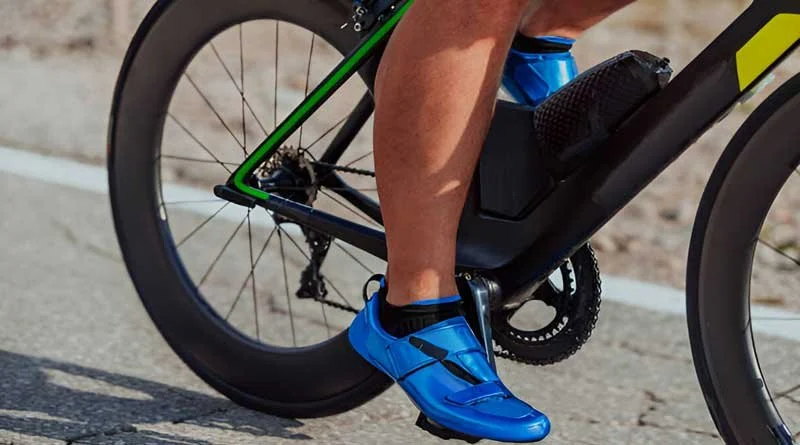
In the cycling world, one of the most debated topics is how much money actually translates into real performance. Riders often ask whether upgrading to premium components truly makes them faster, more efficient, or more comfortable—or if budget-friendly parts can deliver nearly the same experience. The discussion around Budget vs Premium Components: Where It’s Worth Spending More is not just about price tags, but about understanding how each part of a bicycle contributes to the overall riding experience.
The illusion of instant speed gains
Many cyclists, especially beginners, believe that expensive parts automatically lead to noticeable speed improvements. In reality, the gains are often incremental unless the upgrade targets a high-impact area like wheels or drivetrain efficiency. A $2,000 upgrade might save only a few seconds over long distances if not strategically chosen.
Why smart spending matters more than total spending
Experienced riders often emphasize that cycling is a system, not a collection of independent parts. A premium derailleur on a heavy wheelset will not perform as expected. This is why understanding where money actually matters becomes more important than simply buying the most expensive option available.
Frame and wheels as the most important cycling investment decisions
When evaluating Budget vs Premium Components: Where It’s Worth Spending More, the frame and wheels consistently stand out as the most influential parts of any bicycle. These two elements define how a bike feels, accelerates, and handles across different terrains.
Why the frame defines the entire riding experience
A frame is not just a structure—it determines stiffness, geometry, vibration absorption, and overall ride quality. A premium carbon frame can reduce fatigue on long rides and improve responsiveness during climbs and sprints. However, mid-range aluminum frames today have become so advanced that casual riders often struggle to feel a dramatic difference in real-world conditions.
Wheel upgrades that genuinely change performance
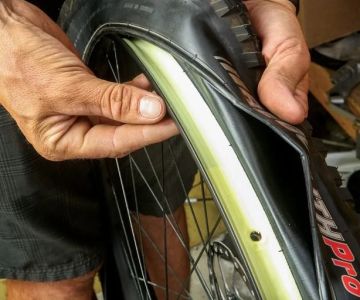
Wheels are one of the few upgrades where riders consistently report immediate improvements. Lighter wheels accelerate faster, while aerodynamic rims reduce drag at higher speeds. A rider upgrading from entry-level stock wheels to a mid-tier carbon set often describes the change as “feeling like a new bike.”
A real-world cycling story from California roads
A recreational cyclist in San Diego upgraded only their wheelset instead of replacing the entire bike. The result was a noticeable improvement in climbing efficiency along coastal routes. Interestingly, the rider later admitted that the frame upgrade they considered would not have delivered nearly the same impact for their riding style.
Drivetrain components and where budget choices still perform well
The drivetrain is often where riders over-invest unnecessarily. While premium groupsets offer smoother shifting and slightly better durability, many mid-range systems perform nearly identically under normal riding conditions.
Shifting performance differences in real conditions
In controlled environments, premium drivetrains shift faster and with less effort. However, on real roads with dust, rain, and wear, the difference becomes less noticeable. Proper maintenance often has a bigger impact than brand level.
When budget drivetrains make perfect sense
For commuting, fitness riding, and casual weekend cycling, budget or mid-tier drivetrains offer excellent value. They are easier to replace, cheaper to maintain, and more forgiving when damaged.
Professional insight from bike mechanics
Many professional bike mechanics report that riders frequently upgrade drivetrains too early while neglecting wheel quality or tire performance. This misallocation of budget often leads to disappointment in perceived performance gains.
Braking systems and why safety should always influence spending decisions
Unlike some performance components, brakes are directly tied to rider safety. This makes them one of the few areas where spending more can be justified beyond comfort or speed.
Mechanical vs hydraulic systems in real usage
Hydraulic disc brakes provide stronger, more consistent stopping power, especially in wet conditions. Mechanical systems are cheaper and easier to maintain but require more frequent adjustments.
When budget brakes are still acceptable
For flat urban commuting or low-speed cycling, budget braking systems can perform adequately if maintained properly. However, riders in hilly or high-speed environments often benefit significantly from premium braking systems.
A mountain descent case from Colorado
A cyclist descending steep terrain in Colorado shared how upgrading to hydraulic brakes dramatically improved confidence during long downhill sections. The difference was not about speed but control and safety, which changed the entire riding experience.
Comfort components like saddles, handlebars, and grips in budget vs premium debate
Comfort is often overlooked when comparing Budget vs Premium Components: Where It’s Worth Spending More, yet it directly affects how long and how often someone rides.
Saddles: highly personal and often misunderstood
A premium saddle is not automatically more comfortable. Fit matters more than price. Some riders find a $50 saddle more comfortable than a $300 one simply because it matches their anatomy better.
Handlebars and vibration control
Higher-end handlebars often use materials that reduce vibration, especially on long rides. This can reduce hand fatigue and improve control over extended distances.
Grips and touchpoints that influence endurance
Small components like grips and bar tape play a major role in reducing fatigue. Even budget upgrades in this category can significantly improve riding comfort without requiring large investment.
Real-world cycling builds, rider stories, and upgrade mistakes
Cyclists often learn through experience rather than theory. Many upgrade decisions are shaped by trial, error, and peer influence.
The “expensive mistake” beginner story
A beginner cyclist in New York invested heavily in a premium drivetrain and lightweight accessories but kept entry-level wheels. After months of dissatisfaction, they realized the bottleneck was not shifting quality but rolling efficiency.
The balanced build approach that worked
Another rider focused on a balanced upgrade strategy: mid-range frame, upgraded wheels, and improved tires. This combination delivered noticeable performance gains without overspending on marginal improvements.
Community insights from group rides
Group rides often reveal that the fastest cyclists are not always those with the most expensive bikes. Instead, they are riders who optimized key components strategically rather than uniformly upgrading everything.
For cyclists looking to make informed upgrade decisions, platforms like
Long-term value, maintenance costs, and hidden expenses in cycling upgrades
The true cost of cycling components is not only the purchase price but also long-term maintenance, replacement frequency, and repair complexity.
Premium components and maintenance expectations
High-end parts often require more specialized maintenance. While they may last longer under ideal conditions, repairs can be more expensive and require professional servicing.
Budget components and replacement cycles
Lower-cost components may wear out faster, but they are significantly cheaper to replace. For many riders, this tradeoff is acceptable, especially for high-mileage commuting.
Hidden costs that riders often overlook
Upgrading one component often leads to “chain upgrades,” where additional parts must also be replaced for compatibility. This is a common reason cycling budgets expand beyond initial expectations.
Building a smart cycling upgrade strategy with balanced spending choices
A thoughtful approach to Budget vs Premium Components: Where It’s Worth Spending More is about prioritization rather than compromise. Riders who plan upgrades strategically often achieve better performance at lower total cost.
Prioritizing impact over prestige
The most effective upgrades are those that deliver noticeable changes in ride quality—wheels, tires, and fit adjustments—rather than cosmetic or marginal performance parts.
Matching components to riding style
A commuter does not need the same setup as a competitive racer. Understanding usage patterns ensures that money is invested where it truly matters.
A practical mindset for long-term cycling enjoyment
Cycling becomes more enjoyable when upgrades are guided by experience rather than marketing. Riders who focus on fit, efficiency, and durability tend to enjoy longer and more consistent riding habits.
Ultimately, smart cycling decisions come from understanding how each component contributes to the overall system rather than chasing individual upgrades in isolation.

 Fly E-Bike Fulton St Brooklyn2.0 (52 reviews)
 Jacks Bicycles4.0 (22 reviews)
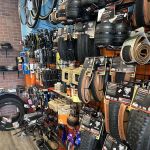 Go Grava Bicycles5.0 (124 reviews)
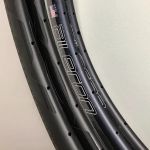 no*gas wheels4.0 (6 reviews)
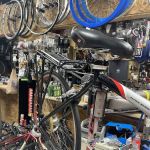 Cyclone Cycles4.0 (93 reviews)
 RTC Bike Center4.0 (159 reviews)
 How to Teach Kids to Ride a Bike: A Step-by-Step Guide for Parents
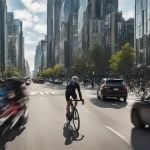 Tips for Riding on Busy City Streets: Smart Strategies for Urban Cyclists
 Best US National Parks for Mountain Biking: Ride Epic Trails Across America
 Best Aero Helmets for Time Trials and Racing
 How to Clean and Lubricate Your Bike Chain Like a Pro
 10 Must-Have Items for Long-Distance Cycling Trips