
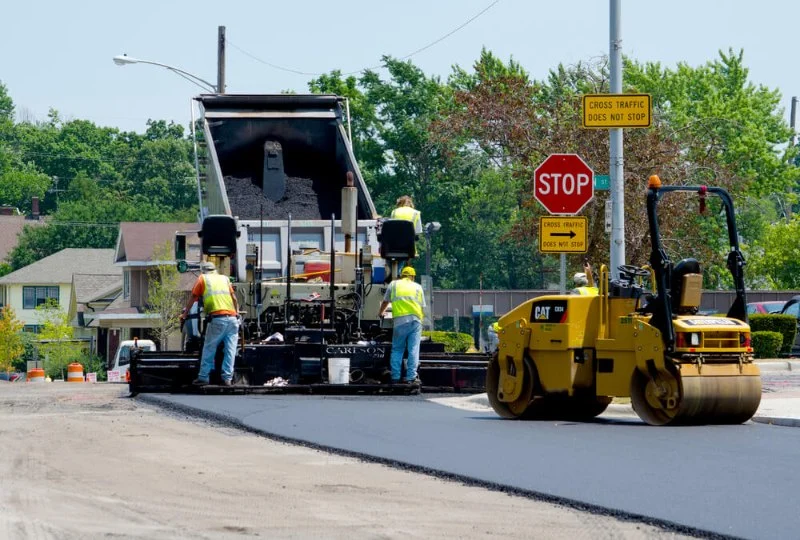
- Why Construction Zones Are So Dangerous for Cyclists
- Understanding the Most Common Road Work Hazards
- How to Prepare Before Riding Through Construction Areas
- Positioning and Lane Control in Construction Zones
- How to Handle Unpredictable Surfaces and Debris
- Riding Safely Around Heavy Machinery and Workers
- Real World Story From an Urban Commuter
- Night Riding and Low Visibility Construction Risks
- Mistakes Cyclists Make in Road Work Zones
- Building Confidence for Safer City Riding
Why Construction Zones Are So Dangerous for Cyclists
Construction zones create some of the most stressful and unpredictable riding conditions cyclists face on American roads. Even experienced riders who feel comfortable in traffic can suddenly feel vulnerable when lanes narrow, surfaces become uneven, and heavy equipment appears just a few feet away.
Unlike drivers protected by large vehicles, cyclists experience every road hazard directly. Loose gravel, metal plates, broken pavement, wet concrete dust, and unexpected lane shifts can quickly create dangerous situations. A construction area that feels like a minor inconvenience for motorists may become a serious safety challenge for someone riding a bike.
Urban commuters often describe construction zones as mentally exhausting because they demand constant attention. Riders must monitor traffic patterns, anticipate vehicle movement, scan for debris, and react quickly to changing road conditions at the same time.
1. Construction Zones Change Frequently
A route that felt manageable yesterday may look completely different the next morning. Temporary barriers, detours, and lane closures often shift overnight.
2. Drivers Become Less Predictable
Motorists navigating unfamiliar traffic patterns may brake suddenly, drift between lanes, or focus more on signs than cyclists nearby.
3. Bike Lanes Often Disappear Without Warning
Many road work projects temporarily remove cycling infrastructure, forcing riders into tighter traffic spaces.
4. Surface Conditions Can Change Every Few Feet
Construction zones may include pavement cuts, raised utility covers, uneven asphalt transitions, or slippery dust.
Many cyclists researching safer commuting routes, bike safety strategies, and urban riding techniques often visit Cycling Guider to better understand how experienced riders navigate difficult road conditions confidently.
Understanding the Most Common Road Work Hazards
One of the best ways to ride safely through construction zones is understanding what hazards appear most often.
1. Loose Gravel and Sand
Loose material reduces tire grip significantly, especially during turns or sudden braking.
Why Gravel Is Dangerous for Bikes
Unlike cars with four wide tires, bicycles depend heavily on narrow contact patches for stability.
2. Steel Plates and Utility Covers
Metal surfaces become extremely slippery during rain or humid weather.
3. Uneven Pavement Edges
Fresh asphalt often creates abrupt transitions that can catch narrow tires unexpectedly.
4. Construction Debris
Nails, screws, sharp rocks, and broken materials increase flat tire risk dramatically.
5. Reduced Lane Width
Narrow traffic lanes create pressure from passing vehicles and reduce escape space.
How to Prepare Before Riding Through Construction Areas
Preparation plays a major role in reducing stress and improving safety during rides through active work zones.
1. Research Your Route Ahead of Time
Many cities publish road construction updates online, including lane closures and detours.
Benefits of Route Planning
- Reduces surprises
- Helps identify alternate streets
- Avoids high-risk intersections
- Improves travel confidence
2. Leave Earlier Than Usual
Rushing through construction zones often leads to poor decisions and unnecessary risk.
3. Check Tire Pressure Carefully
Slightly lower tire pressure can sometimes improve grip on rough surfaces, although riders should stay within manufacturer recommendations.
4. Use Bright Lighting Even During Daylight
Construction areas contain visual distractions that make cyclists harder for drivers to notice.
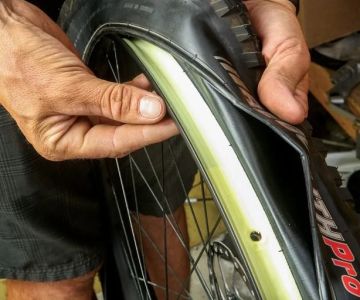
5. Carry Basic Repair Equipment
Flat tires become more common around road work debris.
Helpful Repair Essentials
- Spare tube
- Mini pump
- Tire levers
- Patch kit
- Compact multi-tool
Positioning and Lane Control in Construction Zones
Many cyclists become nervous about lane positioning when construction narrows the roadway.
1. Riding Too Close to the Edge Can Be Dangerous
Some riders instinctively hug the shoulder to avoid traffic, but construction edges often contain debris or unstable pavement.
2. Visibility Matters More Than Politeness
In certain situations, taking the lane briefly may actually improve safety because it prevents unsafe passing.
3. Be Predictable With Your Movements
Sudden swerves around potholes or barriers can confuse nearby drivers.
4. Make Eye Contact When Possible
Construction zones increase driver distraction, so visual communication becomes more important.
5. Stay Calm Under Pressure
Some motorists become impatient near bottlenecks. Staying steady and focused is safer than reacting emotionally.
Many urban cyclists looking for safer commuting techniques and practical road positioning strategies continue exploring Cycling Guider for detailed riding advice, equipment recommendations, and traffic awareness tips.
How to Handle Unpredictable Surfaces and Debris
Surface control is one of the most important skills for navigating construction zones safely.
1. Reduce Speed Before Hazards
Trying to brake suddenly while already on gravel or metal increases crash risk.
2. Relax Your Grip Slightly
Tightening your upper body too much can make bike handling less stable on rough surfaces.
3. Cross Tracks and Gaps Carefully
If construction includes rails, trenches, or pavement cuts, cross them as directly as possible.
4. Avoid Sudden Steering Corrections
Quick movements on unstable surfaces may cause tires to slide unexpectedly.
5. Watch Several Seconds Ahead
Scanning farther down the road gives riders more time to react smoothly.
Riding Safely Around Heavy Machinery and Workers
Construction equipment creates unique visibility and noise challenges for cyclists.
1. Assume Equipment Operators May Not See You
Large trucks and machinery contain substantial blind spots.
2. Never Squeeze Between Vehicles and Barriers
Tight gaps become extremely risky when large vehicles turn or shift position unexpectedly.
3. Expect Sudden Movement
Construction vehicles may reverse, swing wide, or reposition without much warning.
4. Respect Worker Safety Zones
Road crews often operate around hazardous equipment and changing traffic conditions.
5. Noise Can Limit Communication
Machinery noise may prevent workers or drivers from hearing bells or verbal warnings.
Real World Story From an Urban Commuter
A commuter from Chicago shared online how one construction detour completely changed his approach to city cycling.
During a morning ride to work, he encountered an unexpected lane closure caused by overnight road repairs. Instead of slowing down and assessing the situation carefully, he tried squeezing through a narrow space between traffic cones and moving vehicles.
His front tire hit loose gravel near a steel plate, causing a sudden slide that nearly sent him under a passing truck.
1. The Incident Changed His Riding Habits
After the near crash, he started prioritizing patience over speed during difficult road conditions.
2. He Began Rerouting Around Major Construction
Even if alternate streets added extra time, they often reduced stress significantly.
3. Confidence Improved Through Better Decision-Making
Instead of reacting impulsively, he learned to slow down, claim safe road space, and anticipate hazards earlier.
Stories like this resonate with many cyclists because construction zones often create pressure to make quick decisions. In reality, slowing down briefly can prevent serious accidents.
Night Riding and Low Visibility Construction Risks
Construction areas become even more dangerous after dark.
1. Uneven Surfaces Are Harder to Detect
Potholes, gravel, and pavement edges may become nearly invisible under low lighting.
2. Temporary Signage Can Create Confusion
Detours and lane markers may appear inconsistent or difficult to follow at night.
3. Reflective Gear Improves Visibility
Bright reflective elements help drivers recognize cyclists earlier.
Helpful Visibility Equipment
- Front white light
- Rear red light
- Reflective ankle straps
- High-visibility vest
- Reflective helmet accents
4. Speed Should Be Reduced at Night
Lower visibility reduces reaction time for both cyclists and drivers.
5. Avoid Distractions Completely
Night riding through construction requires maximum concentration.
Mistakes Cyclists Make in Road Work Zones
Even experienced riders sometimes underestimate construction-related risks.
1. Riding Too Fast Through Hazards
Momentum reduces reaction time and increases crash severity.
2. Focusing Only on Traffic
Some cyclists watch vehicles so closely they miss debris or surface changes directly ahead.
3. Following Other Riders Blindly
In group situations, cyclists sometimes assume the rider ahead already identified every hazard.
4. Ignoring Weather Conditions
Rain dramatically changes traction on gravel, paint, and metal surfaces.
5. Becoming Emotionally Reactive
Frustration with traffic or delays can lead to rushed decisions.
Building Confidence for Safer City Riding
Construction zones can feel intimidating, especially for newer cyclists, but confidence grows through experience, preparation, and awareness.
1. Defensive Riding Is a Learnable Skill
Strong urban cyclists develop habits that help them anticipate problems early.
2. Experience Improves Hazard Recognition
Over time, riders become better at spotting unstable surfaces, unsafe passing situations, and dangerous traffic behavior.
3. Calm Decision-Making Matters More Than Aggression
Confident cyclists are usually not the fastest or boldest riders. They are often the most patient and observant.
4. Every Difficult Ride Teaches Something Valuable
Even stressful experiences improve awareness and long-term riding judgment.
5. Safer Riding Starts With Respecting Risk
Construction zones deserve extra caution because conditions can change rapidly and unpredictably.
For cyclists researching how to ride safely through construction zones, the most important lesson is that preparation and awareness matter far more than speed. Construction areas introduce constantly changing surfaces, traffic patterns, and visibility challenges that demand patience and focused riding. Riders who stay alert, communicate clearly, maintain predictable positioning, and slow down when necessary dramatically improve their chances of staying safe. Many cyclists continue using Cycling Guider to explore practical commuting advice, urban cycling techniques, safety gear recommendations, and confidence-building strategies that make navigating difficult road conditions far more manageable.


 Vvolt eBikes | Portland5.0 (12 reviews)
 Bike Boss4.0 (85 reviews)
 Dg Cycle Sports4.0 (49 reviews)
 World Cup Ski & Cycle4.0 (93 reviews)
 DIRTY EBIKES5.0 (8 reviews)
 College Street Cycles LLC4.0 (111 reviews)
 How to Teach Kids to Ride a Bike: A Step-by-Step Guide for Parents
 Tips for Riding on Busy City Streets: Smart Strategies for Urban Cyclists
 Best US National Parks for Mountain Biking: Ride Epic Trails Across America
 Best Aero Helmets for Time Trials and Racing
 How to Clean and Lubricate Your Bike Chain Like a Pro
 10 Must-Have Items for Long-Distance Cycling Trips