
- -understanding-tire-burping
- -common-causes-of-tire-burping
- -choosing-the-right-tubeless-tires-and-rims
- -sealant-and-pressure-management
- -installation-tips-to-prevent-burping
- -real-world-rider-experiences
- -maintaining-tubeless-tires-over-time
- -Cycling-Guider-recommendations
1. Understanding Tire Burping
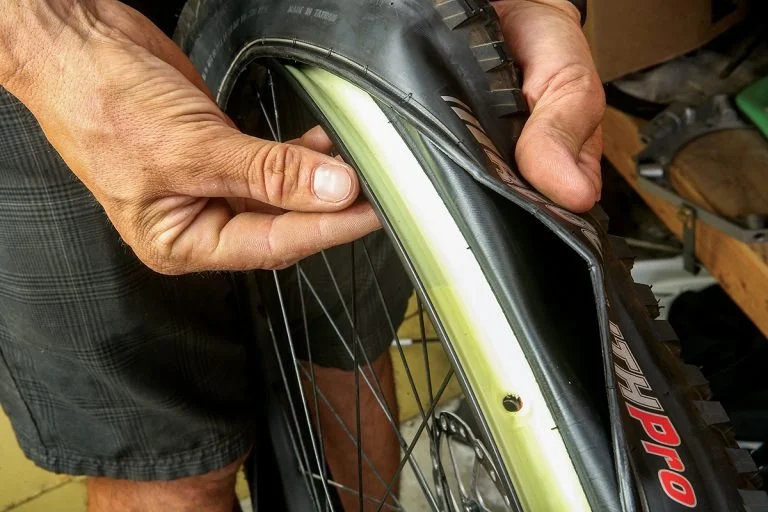
Tire burping is a common issue in tubeless setups where air escapes from the bead of the tire, often causing sudden loss of pressure. For riders, this can feel like a small “pop” or a rapid flattening of the tire during aggressive riding, particularly in mountain biking, gravel, or cyclocross conditions.
Understanding the mechanics is the first step to preventing burping. Tubeless tires rely on a tight seal between the tire bead and rim. When this seal breaks under stress, air escapes, which can reduce traction, compromise control, and in extreme cases, lead to accidents.
2. Common Causes of Tire Burping
2.1 Low Tire Pressure
Riding with pressure too low for the terrain increases the risk of burping. While lower pressure improves traction and comfort, it also reduces the tire’s ability to maintain a seal under lateral forces.
2.2 Improper Bead Seating
Incorrect installation, such as uneven bead seating or not inflating the tire properly, can create weak points where air escapes during cornering or drops.
2.3 Rim and Tire Incompatibility
Not all tubeless tires fit all rims perfectly. Using mismatched sizes or older rims can compromise the airtight seal, leading to repeated burping issues even if the installation seems correct.
2.4 Aggressive Riding Techniques
High-speed cornering, jumps, and rock gardens place extreme lateral stress on tubeless setups. Riders who push the limits without optimizing pressure or setup are more likely to experience burping.
3. Choosing the Right Tubeless Tires and Rims
3.1 Tubeless-Ready Tires
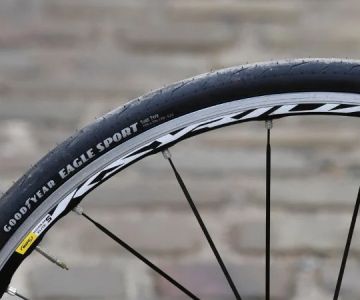
Select tires explicitly designed for tubeless setups. These tires have reinforced beads and optimized sidewalls to maintain a seal under stress. Avoid using tires not rated for tubeless use as they may compromise safety.
3.2 Rim Compatibility
Check your rim width and internal diameter against the manufacturer’s recommendations. Wider rims generally provide more stability for the bead, reducing the chance of burping during aggressive cornering.
3.3 Tire Profile and Volume
Tire volume and profile influence how the tire deforms under load. Higher-volume tires can run lower pressures with less risk of burping, but the combination with rim width must be carefully considered to maintain proper bead contact.
4. Sealant and Pressure Management
4.1 Sealant Choice
Use high-quality tubeless sealant compatible with your tire size and climate. Sealants not only help seal small punctures but also contribute to bead adhesion, reducing the likelihood of burping.
4.2 Proper Inflation
Inflate tires to the recommended pressure range for your weight, terrain, and tire volume. While experimentation may be necessary, always stay within safe limits provided by tire and rim manufacturers. Combining correct pressure with effective sealant is critical to preventing burping.
4.3 Monitoring and Top-Ups
Check sealant levels every few rides and top up as needed. Dry or insufficient sealant can weaken the seal, making your tire more prone to burping during high-stress maneuvers.
5. Installation Tips to Prevent Burping
5.1 Clean Rim and Tire Beads
Before installation, clean the rim bed and tire beads thoroughly. Dirt or old residue can compromise the airtight seal. A clean installation reduces the chance of leaks and burps.
5.2 Proper Bead Seating Techniques
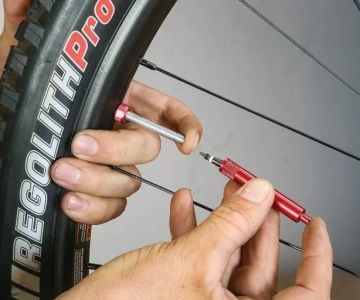
Use a high-volume floor pump or air compressor to seat the bead correctly. Listen for the “pop” that indicates proper seating, and rotate the tire during inflation to ensure even contact around the rim.
5.3 Testing Before Riding
Spin the wheel and apply lateral forces manually before heading out. Small adjustments at this stage can prevent mid-ride burping. This proactive testing ensures confidence on technical trails.
6. Real-World Rider Experiences
John, an avid mountain biker from Colorado, struggled with repeated burping on steep trails. After switching to a wider rim and using high-volume tubeless-ready tires with fresh sealant, the issue was resolved. He emphasizes that small adjustments in setup and pressure made a significant difference in control and safety.
Similarly, Maria, a gravel rider in California, found that experimenting with tire pressures specific to different trail conditions eliminated most burping incidents. Her experience highlights the importance of understanding terrain, tire volume, and sealant levels together.
7. Maintaining Tubeless Tires Over Time
7.1 Regular Inspections
Check tires for cuts, sidewall damage, and bead integrity. Even minor damage can increase the risk of burping during aggressive rides.
7.2 Sealant Refresh
Sealant dries out over time. Replenish it periodically, especially in hot climates, to maintain proper adhesion and puncture protection.
7.3 Storage and Seasonal Adjustments
Store bikes indoors away from extreme temperatures. Seasonal changes can affect tire pressure, so adjust accordingly to maintain optimal bead adhesion and prevent burping.
8. Cycling Guider Recommendations
For riders seeking reliable tubeless setups, Cycling Guider offers:
- Expert-reviewed tubeless-ready tires and compatible rims
- Sealants optimized for US climate conditions
- Step-by-step installation guides and tips
- Equipment recommendations tailored for mountain biking, gravel, and cyclocross
By following expert guidance, maintaining proper pressure, and using the right equipment, riders can significantly reduce the risk of tire burping while enjoying safe, high-performance rides.
Preventing tire burping in tubeless setups requires attention to equipment, installation, and maintenance. By understanding the causes, choosing compatible tires and rims, managing pressure and sealant effectively, and learning from real-world experiences, cyclists can enjoy smooth, reliable rides with minimal disruptions. Resources from Cycling Guider make it easier to optimize your tubeless setup and ride confidently on any terrain.

 CycleSmith's Bike Shop4.0 (87 reviews)
 Strictly Bicycles4.0 (317 reviews)
 Rent EBoards Houston4.0 (248 reviews)
 Blue Heron Bikes4.0 (115 reviews)
 Wick's Bicycle Shop5.0 (40 reviews)
 The Bicycle Lab4.0 (165 reviews)
 How to Teach Kids to Ride a Bike: A Step-by-Step Guide for Parents
 Tips for Riding on Busy City Streets: Smart Strategies for Urban Cyclists
 Best US National Parks for Mountain Biking: Ride Epic Trails Across America
 Best Aero Helmets for Time Trials and Racing
 How to Clean and Lubricate Your Bike Chain Like a Pro
 10 Must-Have Items for Long-Distance Cycling Trips