
- 1-Understanding-Ghost-Shifting
- 2-Common-Causes-of-Ghost-Shifting
- 3-Tools-and-Equipment-Needed
- 4-Adjusting-the-Derailleur
- 5-Checking-Cable-Tension-and-Housing
- 6-Inspecting-Chain-and-Cassette
- 7-Lubrication-and-Cleaning-Tips
- 8-Testing-and-Fine-Tuning-Gears
- 9-Preventive-Maintenance-Strategies
- 10-When-to-Seek-Professional-Help
1. Understanding Ghost Shifting
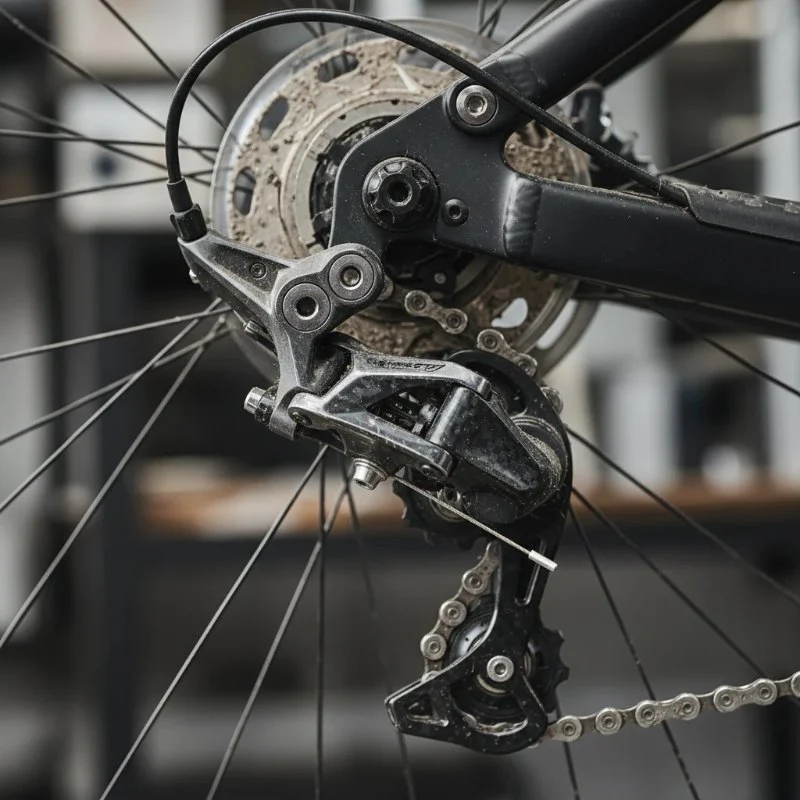
Ghost shifting occurs when a bicycle changes gears without any input from the rider. It often leads to unpredictable movements and can cause a sudden loss of power or speed. Understanding what ghost shifting is will help you recognize the issue before it becomes a bigger problem.
1.1 Symptoms to Recognize
Signs include sudden upshifts or downshifts when pedaling, skipped chain links, and inconsistent gear transitions. Noticing these early can save you from mechanical failure and enhance riding safety.
2. Common Causes of Ghost Shifting
Several mechanical factors can contribute to ghost shifting, and identifying the root cause is essential for effective troubleshooting.
2.1 Cable Stretch and Housing Wear
Over time, gear cables can stretch, and housings can compress or fray, causing inconsistent derailleur responses.
2.2 Derailleur Misalignment
An improperly aligned rear or front derailleur can cause the chain to shift unexpectedly, especially under load.
2.3 Worn Chain or Cassette
Chains and cassettes wear unevenly with use. A worn chain can slip under pressure, leading to ghost shifts.
3. Tools and Equipment Needed
Having the right tools ensures that gear troubleshooting is accurate and effective.
3.1 Essential Tools
Prepare a set of hex wrenches, a chain whip, cassette lockring tool, cable cutters, a torque wrench, and a bike stand. Quality lubricants and cleaning brushes are also necessary.
4. Adjusting the Derailleur
Proper derailleur adjustment is crucial for smooth gear operation.
4.1 Rear Derailleur Alignment
Check the derailleur hanger for alignment and straighten if necessary. Ensure that the derailleur moves freely across all gears without obstruction.
4.2 Front Derailleur Position
Adjust the front derailleur to maintain the correct gap between the chain and cage, preventing chain rub and unintended shifts.
5. Checking Cable Tension and Housing
Cable tension directly affects shifting precision.
5.1 Tension Adjustment
Use the barrel adjuster to fine-tune cable tension. Proper tension ensures immediate response to shifter inputs.
5.2 Inspecting Cable Housing
Look for kinks, corrosion, or compression in housing that could interfere with smooth cable movement. Replace if worn.
6. Inspecting Chain and Cassette
Maintaining drivetrain components is key to preventing ghost shifting.
6.1 Chain Wear Measurement
Use a chain checker tool to measure wear. Replace chains that exceed recommended limits to avoid slipping.
6.2 Cassette Inspection
Check for worn or hooked teeth on the cassette. Replace worn cogs to ensure reliable engagement.
7. Lubrication and Cleaning Tips
Clean and lubricate your drivetrain to reduce friction and improve shifting response.
7.1 Cleaning Routine
Remove dirt, mud, and grime from the chain, cassette, and derailleurs using a degreaser and soft brushes.
7.2 Proper Lubrication
Apply lubricant to the chain links, wiping off excess to prevent dirt accumulation, which can cause shifting issues.
8. Testing and Fine-Tuning Gears
After adjustments, test your bike on a stationary trainer or a safe trail.
8.1 Shift Through All Gears
Move the chain across all sprockets and chainrings, noting any hesitation or skipping. Adjust barrel and limit screws as needed.
8.2 Evaluate Under Load
Test shifts under pedaling pressure to ensure gears hold consistently without ghost shifting.
9. Preventive Maintenance Strategies
Regular upkeep prevents ghost shifting from recurring.
9.1 Routine Checks
Inspect cables, housing, chain, and derailleurs regularly. Adjust tension and alignment periodically to maintain precision.
9.2 Seasonal Tune-Ups
Before heavy riding seasons, perform a complete drivetrain inspection and lubrication to minimize unexpected gear issues.
10. When to Seek Professional Help
Some problems may require expert attention.
10.1 Complex Derailleur Issues
If the derailleur hanger is bent beyond adjustment or shifting problems persist despite thorough tuning, consult a professional bike mechanic.
10.2 Persistent Ghost Shifting
For ongoing issues caused by frame flex, internal hub complications, or electronic shifting errors, professional service ensures safety and optimal performance.
Following these troubleshooting strategies will help you confidently deal with ghost shifting. Combine regular maintenance, proper adjustments, and cautious testing to enjoy smooth and reliable gear performance. For detailed guidance and tools, visit Cycling Guider for expert tips and product recommendations.



 Bikeatoga4.0 (14 reviews)
 13 Thrills Cycle5.0 (3 reviews)
 Covered Bridge Electric Bike in North Canaan5.0 (5 reviews)
 Wheel & Sprocket4.0 (586 reviews)
 KB Wheels5.0 (14 reviews)
 The Bike Shop4.0 (73 reviews)
 How to Teach Kids to Ride a Bike: A Step-by-Step Guide for Parents
 Tips for Riding on Busy City Streets: Smart Strategies for Urban Cyclists
 Best US National Parks for Mountain Biking: Ride Epic Trails Across America
 Best Aero Helmets for Time Trials and Racing
 How to Clean and Lubricate Your Bike Chain Like a Pro
 10 Must-Have Items for Long-Distance Cycling Trips