
- 1-Understanding-Drivetrain-Types
- 2-Advantages-and-Disadvantages-of-1x
- 3-Advantages-and-Disadvantages-of-2x
- 4-Advantages-and-Disadvantages-of-3x
- 5-Factors-to-Consider-When-Choosing
- 6-Real-World-Examples-and-Expert-Tips
1. Understanding Drivetrain Types
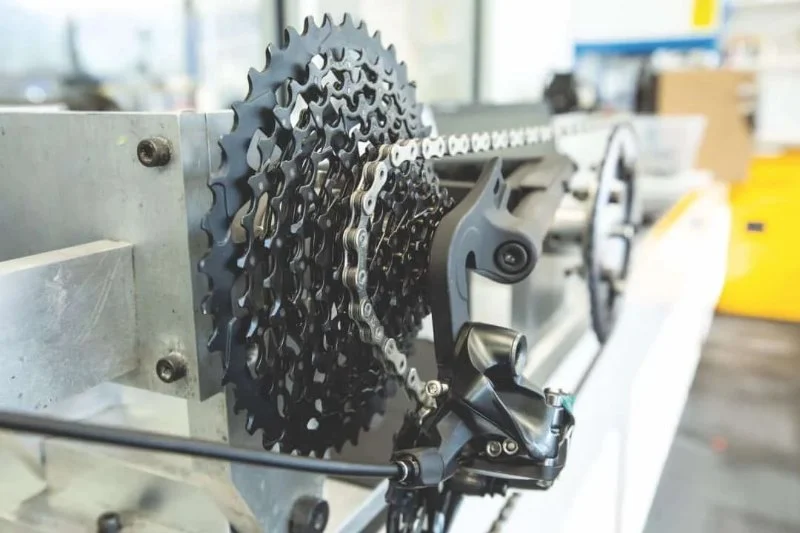
Bike drivetrains determine how power is transferred from your pedals to the wheels. The main types—1x, 2x, and 3x—refer to the number of front chainrings combined with rear cogs to create gear ratios. Understanding these systems is crucial for riders in the US seeking performance, simplicity, or versatility in their cycling experience.
For instance, Jason, a mountain biker from Colorado, switched from a 2x to a 1x drivetrain for trail rides, appreciating the reduced complexity and lighter setup.
2. Advantages and Disadvantages of 1x
The 1x drivetrain features a single front chainring and multiple rear cogs. Benefits include:
- Simplicity: No front derailleur means fewer shifting mistakes and easier maintenance.
- Weight Savings: Eliminates components, making the bike lighter.
- Improved Clearance: Ideal for off-road conditions where chain drops or debris are concerns.
Drawbacks include a narrower gear range. Riders facing steep climbs might need a wider-range cassette to compensate. Jason found that adding an 11–50T cassette solved this issue, making climbs manageable.
3. Advantages and Disadvantages of 2x
A 2x drivetrain uses two front chainrings, offering a balanced compromise between gear range and simplicity. Benefits include:
- Wider Gear Range: Provides sufficient low and high gears for mixed terrain.
- Moderate Complexity: Fewer shifts than 3x but more options than 1x.
- Versatility: Suitable for riders transitioning between road and trail conditions.
Challenges include slightly higher maintenance and the potential for front derailleur adjustments. Sarah, a road cyclist from Vermont, prefers 2x for hilly routes where she needs smooth transitions between gears without excessive effort.
4. Advantages and Disadvantages of 3x
The 3x drivetrain features three front chainrings, historically popular for touring and mountain biking. Benefits include:
- Maximum Gear Range: Ideal for long climbs and heavy loads.
- Fine-Tuned Gearing: Offers incremental changes, helpful for precise cadence control.
However, it comes with:
- Increased Weight: More components make the bike heavier.
- Complex Shifting: Higher learning curve and more potential for mechanical issues.
Touring cyclist Mike from Oregon prefers 3x for long-distance rides with loaded panniers, appreciating the ability to manage climbs efficiently.
5. Factors to Consider When Choosing
Key considerations for selecting a drivetrain system include:
- Terrain: Steep or technical trails often favor 1x or 3x systems, while mixed terrain may benefit from 2x.
- Maintenance Preference: 1x systems reduce maintenance, whereas 3x requires more attention.
- Rider Experience: Beginners may prefer simplicity, while experienced cyclists may value the full gear range.
- Weight Sensitivity: Competitive riders often favor lighter setups like 1x.
6. Real-World Examples and Expert Tips
Practical experience helps clarify choices. For example, Emma, a mountain biker in Utah, switched to a 1x drivetrain for technical trails, enjoying reduced chain drops and easier handling. Meanwhile, John, a touring cyclist in Pennsylvania, sticks with 3x for the flexibility needed during long rides with gear.
US riders can consult resources like Cycling Guider to explore product options, gear recommendations, and expert reviews to select the optimal drivetrain system for their riding style.


 Pedego Electric Bikes DeLand4.0 (79 reviews)
 Deerfield Cyclery4.0 (66 reviews)
 JAYMOTOR MOTORCYCLE SHOPS3.0 (42 reviews)
 Buddy Bike (Corporate Office)5.0 (4 reviews)
 Strapswift0.0 (0 reviews)
 Trek Bicycle Cherry Hill4.0 (394 reviews)
 How to Teach Kids to Ride a Bike: A Step-by-Step Guide for Parents
 Tips for Riding on Busy City Streets: Smart Strategies for Urban Cyclists
 Best US National Parks for Mountain Biking: Ride Epic Trails Across America
 Best Aero Helmets for Time Trials and Racing
 How to Clean and Lubricate Your Bike Chain Like a Pro
 10 Must-Have Items for Long-Distance Cycling Trips