
- 1- Understanding Aero Bars and Their Benefits - Discover how aero bars improve performance and why safety is crucial in group rides.
- 2- Preparing for Group Rides - Tips on equipment checks, positioning, and mental readiness for riding with aero bars.
- 3- Maintaining Control and Stability - Techniques to stay balanced, react to traffic, and avoid sudden movements.
- 4- Communication and Etiquette in Groups - How to signal intentions and maintain harmony among riders.
- 5- Common Mistakes to Avoid - Key errors cyclists make when using aero bars in group rides and how to prevent them.
- 6- Real-Life Stories and Experiences - Case studies and anecdotes illustrating safe aerobar use in various group settings.
- 7- Resources and Recommendations - How Cycling Guider can provide equipment, training tips, and expert guidance for safer rides.
1. Understanding Aero Bars and Their Benefits
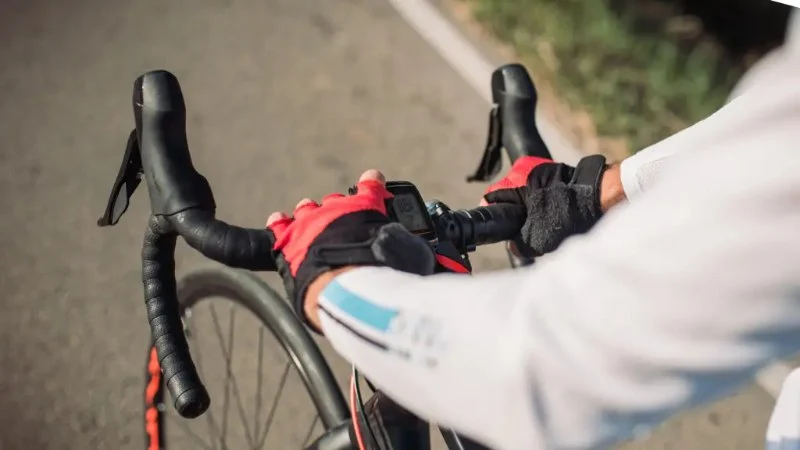
Aero bars, or aerobars, allow cyclists to adopt a more aerodynamic position, reducing wind resistance and improving speed efficiency. While they are highly effective for time trials and triathlons, using them in group rides presents unique safety challenges. Riding in a tucked position limits maneuverability and reduces reaction time, making awareness and skill critical.
Understanding the trade-offs between speed and control is the first step toward safe and effective group cycling with aerobars.
2. Preparing for Group Rides
Preparation minimizes risk. Key steps include:
- Checking your bike and aerobars for stability, ensuring all clamps and extensions are secure
- Practicing riding in the aero position alone before joining a group
- Familiarizing yourself with the route and potential hazards
- Wearing appropriate protective gear, including a helmet and gloves
Mental readiness is equally important—staying focused, alert, and anticipating group dynamics can prevent accidents.
3. Maintaining Control and Stability
Riding with aerobars in a group requires precise control. Techniques include:
- Maintaining a stable grip and relaxed upper body to absorb vibrations
- Keeping a safe distance from other riders, allowing space for sudden braking or swerving
- Using smooth, deliberate movements rather than abrupt steering
- Practicing emergency dismounts or switching to the hoods quickly when needed
Regular practice in controlled settings builds confidence and reduces the likelihood of collisions in busy group rides.
4. Communication and Etiquette in Groups
Effective communication is crucial for safety:
- Use hand signals to indicate turns, stops, or obstacles
- Call out hazards such as potholes, debris, or sudden changes in speed
- Maintain predictable lines and avoid sudden shifts in positioning
- Respect drafting etiquette and avoid overlapping wheels, especially when in the aero position
Good etiquette ensures smooth interactions and minimizes risk for all riders.
5. Common Mistakes to Avoid
Cyclists often make errors that compromise safety, including:
- Riding aerobars too aggressively in close quarters, reducing reaction time
- Failing to communicate intentions, causing collisions or near-misses
- Neglecting regular maintenance, leading to equipment failure mid-ride
- Underestimating fatigue, which can impair judgment and control
Avoiding these mistakes is essential for safe and confident group riding.
6. Real-Life Stories and Experiences
Consider a triathlete joining a local club ride. Initially, using aerobars in a tight pack was intimidating, leading to near-collisions. By gradually practicing in smaller groups and adhering to communication protocols, they learned to maintain speed without sacrificing safety. Another cyclist shared how a simple shift to the hoods during a sudden turn prevented a serious accident in a rainy group ride.
These experiences highlight the importance of practice, awareness, and respect for fellow riders.
7. Resources and Recommendations
Cycling Guider offers resources and guidance for cyclists of all levels, including aerobars setup tips, safety courses, and equipment recommendations. By combining professional advice with regular practice, riders can enjoy the benefits of aerobars while minimizing risks during group rides.
Investing in the right equipment and training ensures safer, more enjoyable rides in any group setting.


 Pedego Electric Bikes DeLand4.0 (79 reviews)
 Deerfield Cyclery4.0 (66 reviews)
 JAYMOTOR MOTORCYCLE SHOPS3.0 (42 reviews)
 Buddy Bike (Corporate Office)5.0 (4 reviews)
 Strapswift0.0 (0 reviews)
 Trek Bicycle Cherry Hill4.0 (394 reviews)
 How to Teach Kids to Ride a Bike: A Step-by-Step Guide for Parents
 Tips for Riding on Busy City Streets: Smart Strategies for Urban Cyclists
 Best US National Parks for Mountain Biking: Ride Epic Trails Across America
 Best Aero Helmets for Time Trials and Racing
 How to Clean and Lubricate Your Bike Chain Like a Pro
 10 Must-Have Items for Long-Distance Cycling Trips