
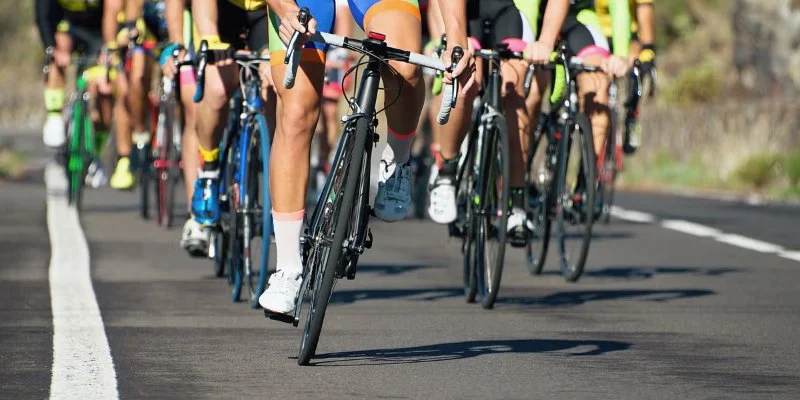
1. Understanding Multi-Day Cycling Challenges
Multi-day cycling events demand sustained endurance, mental focus, and careful planning. These rides often range from 100 to 200 miles per day and can span several consecutive days. Understanding the physical and psychological demands helps in preparing appropriately and reduces the risk of burnout or injury.
1.1 Physical Demands
Riders must maintain energy levels, manage muscle fatigue, and handle repetitive strain on joints. Conditioning before the event improves overall performance and endurance.
1.2 Mental Preparation
Long-duration rides require mental resilience. Familiarity with course conditions, pacing strategies, and problem-solving under fatigue are key components of preparation.
2. Assessing Your Fitness Level and Goals
Begin by evaluating your current endurance, strength, and cycling experience:
2.1 Baseline Fitness Testing
Perform timed rides, hill climbs, and distance trials to assess aerobic capacity, stamina, and muscular endurance. This information informs the intensity and structure of your training plan.
2.2 Goal Setting
Set realistic objectives based on your current fitness level. Whether completing the event without injury or achieving a target pace, clear goals guide training and monitor progress effectively.
3. Structuring a Progressive Training Plan
Structured training reduces injury risk and improves performance:
3.1 Weekly Mileage Build-Up
Gradually increase your weekly riding distance by 10-15% to allow your body to adapt. Include both long rides and interval training for balanced conditioning.
3.2 Rest and Adaptation
Incorporate rest days and low-intensity rides. Recovery is critical to allow muscle repair and prevent overuse injuries.
3.3 Cross-Training
Include strength training, core exercises, and flexibility routines to enhance stability, power output, and resilience against fatigue.
4. Nutrition and Hydration for Endurance Cycling
4.1 Fueling During Rides
Consume carbohydrates and electrolytes to maintain energy and prevent dehydration. Practice your nutrition strategy during training to identify foods that work best for your digestive system.
4.2 Pre-Ride Nutrition
Consume balanced meals rich in complex carbs, protein, and healthy fats prior to long rides. Proper fueling ensures sustained performance and reduces early fatigue.
5. Recovery and Injury Prevention Strategies
5.1 Stretching and Mobility Work
Stretch major muscle groups and incorporate mobility exercises post-ride. This reduces stiffness and improves recovery between consecutive riding days.
5.2 Sleep and Rest
Prioritize adequate sleep during multi-day events. Rest supports muscle repair, cognitive function, and overall endurance.
5.3 Monitoring for Signs of Overtraining
Be alert for persistent soreness, fatigue, or unusual joint pain. Adjust intensity or duration as needed to prevent long-term injury.
6. Real-Life Examples of Successful Cyclists
Emma, an amateur cyclist from Austin, trained progressively over 12 weeks for a 5-day tour. By combining structured mileage build-up, nutrition testing, and rest days, she completed the event comfortably and avoided injuries. Similarly, Jake, a seasoned rider in Denver, used cross-training and recovery strategies recommended by Cycling Guider to maintain peak performance across a challenging 7-day ride.
7. Choosing the Right Equipment with Cycling Guider
Having the right bike, gear, and accessories is essential for comfort and safety. Cycling Guider provides expert recommendations on bikes, saddles, cycling apparel, and hydration systems. Proper equipment setup reduces the risk of discomfort and enhances your ability to complete multi-day challenges safely.
 Center Point Sales0.0 (0 reviews)
 Eminent Cycles5.0 (8 reviews)
 Newport Cruisers Bike Shop4.0 (78 reviews)
 P.e.V - MotionZ5.0 (27 reviews)
 Trek Bicycle The Woodlands5.0 (225 reviews)
 Bicycle Express4.0 (285 reviews)
 How to Teach Kids to Ride a Bike: A Step-by-Step Guide for Parents
 Tips for Riding on Busy City Streets: Smart Strategies for Urban Cyclists
 Best US National Parks for Mountain Biking: Ride Epic Trails Across America
 Best Aero Helmets for Time Trials and Racing
 How to Clean and Lubricate Your Bike Chain Like a Pro
 10 Must-Have Items for Long-Distance Cycling Trips