
- 1 - Why Regular Bike Frame Inspection Matters
- 2 - Step 1: Visual Examination for Cracks and Damage
- 3 - Step 2: Tap and Feel Method for Hidden Damage
- 4 - Step 3: Inspecting High-Stress Points
- 5 - Real-Life Case: Detecting a Hidden Crack Before Disaster
- 6 - Professional Tools and Expert Assistance
- 7 - Prevention Tips for Long-Term Frame Safety
1. Why Regular Bike Frame Inspection Matters
Regularly inspecting your bike frame is essential for safety and performance. Cracks or hidden damage can compromise structural integrity, potentially leading to accidents during rides. Even small imperfections, if unnoticed, may worsen over time due to repeated stress from terrain, jumps, or long-distance cycling.
Performing routine inspections not only extends the lifespan of your bike but also ensures confidence on the road or trail. For avid cyclists, this step is as crucial as checking tires or brakes before a ride.
2. Step 1: Visual Examination for Cracks and Damage
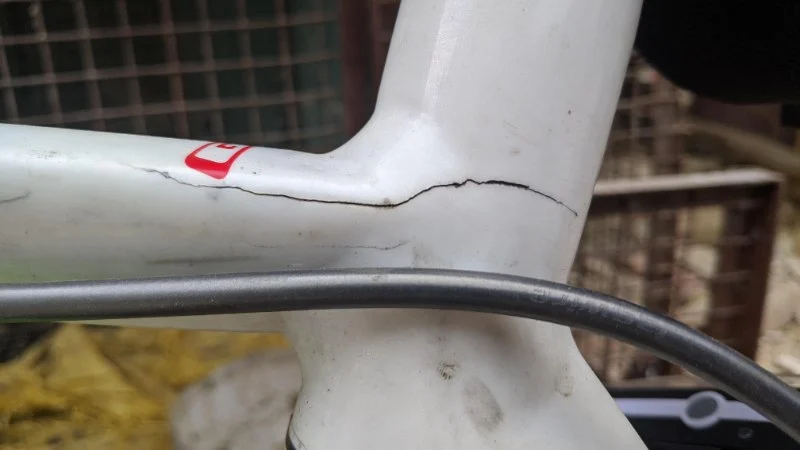
The first step is a thorough visual inspection. Focus on areas prone to stress such as the top tube, down tube, and near the joints. Look for:
- Fine hairline cracks in the paint or carbon fiber.
- Unusual discoloration or dents that may indicate impact damage.
- Signs of rust or corrosion on metal frames.
For enhanced visibility, use good lighting and a magnifying glass if necessary. This method is simple but often catches early signs of damage before they become serious. Cycling Guider recommends keeping a checklist for your inspections to track changes over time.
3. Step 2: Tap and Feel Method for Hidden Damage
Sometimes cracks are hidden beneath paint or surface layers. A gentle tap-and-feel technique can reveal these issues. Lightly tap the frame with a coin or small tool and listen for differences in sound—metal frames should produce a consistent ringing tone, while dull or uneven tones may indicate hidden damage.
Additionally, running your fingers along the frame allows you to feel subtle imperfections or roughness. This tactile approach is particularly effective on carbon frames, where visual cracks are harder to spot.
4. Step 3: Inspecting High-Stress Points
Certain areas of the bike frame endure more stress and are more prone to cracks, including:
- Bottom bracket and crank area.
- Head tube and headset junction.
- Dropouts where the wheels attach.
Examine these points carefully, looking for tiny fractures, chips, or unusual flex. Even minor damage in these zones can lead to catastrophic failure if ignored. Using a flashlight helps detect small imperfections more accurately.
5. Real-Life Case: Detecting a Hidden Crack Before Disaster
Emily, a weekend cyclist from Colorado, was preparing for a mountain ride when she noticed a dull sound while tapping her carbon bike frame. Further inspection revealed a hidden crack near the bottom bracket. Thanks to early detection, she replaced the frame before it failed, avoiding a potential serious accident.
This example emphasizes the importance of combining visual and tactile inspection techniques. Cycling Guider offers expert guides and recommended products to help cyclists perform detailed frame checks safely.
6. Professional Tools and Expert Assistance
For added safety, professional tools like ultrasonic testers or dye penetrant kits can detect micro-cracks invisible to the naked eye. Regular visits to certified bike shops for inspections are recommended, especially for high-performance or carbon fiber frames.
Cycling Guider provides curated recommendations for inspection tools and trusted service providers, ensuring your bike remains safe and road-ready.
7. Prevention Tips for Long-Term Frame Safety
Maintaining a bike frame in top condition goes beyond inspections. Key prevention strategies include:
- Avoiding extreme impacts or overloading the bike.
- Cleaning and drying the frame after rides in wet conditions.
- Periodic professional checks for carbon or high-end frames.
- Using protective frame coatings or guards in high-risk areas.
By combining regular inspections with preventive care and quality products from Cycling Guider, cyclists can enjoy safer rides and prolong the lifespan of their frames.






 Hemet Bike Shop4.0 (108 reviews)
 Mike's Bikes of Highlands Ranch4.0 (832 reviews)
 Wheelies Bicycles Sales and Service4.0 (139 reviews)
 Comet Trail Cycles4.0 (401 reviews)
 Worldwide Cyclery4.0 (809 reviews)
 Trek Bicycle Arlington Clarendon4.0 (659 reviews)
 How to Teach Kids to Ride a Bike: A Step-by-Step Guide for Parents
 Tips for Riding on Busy City Streets: Smart Strategies for Urban Cyclists
 Best US National Parks for Mountain Biking: Ride Epic Trails Across America
 Best Aero Helmets for Time Trials and Racing
 How to Clean and Lubricate Your Bike Chain Like a Pro
 10 Must-Have Items for Long-Distance Cycling Trips