
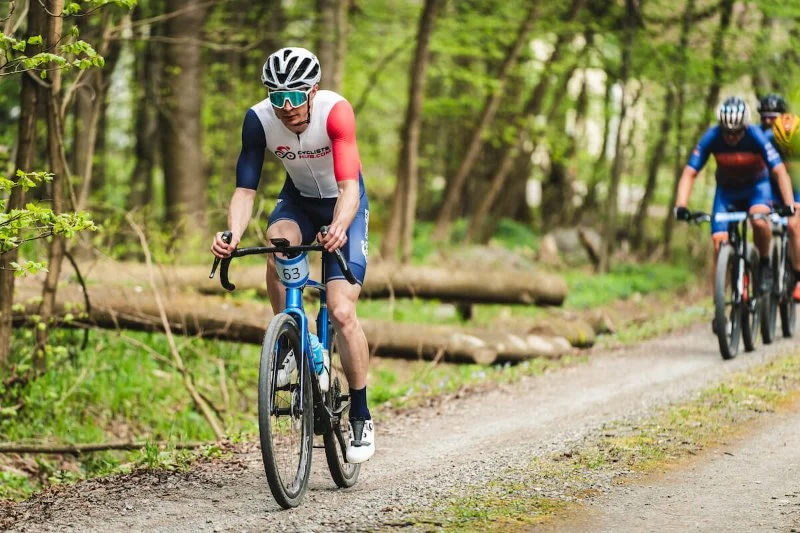
1. Understanding Loose Gravel Dynamics
Loose gravel presents unique challenges for cyclists. Unlike paved surfaces, gravel shifts under tire pressure, reducing traction and increasing the risk of skidding. Understanding how your bike interacts with gravel is crucial for maintaining control during cornering.
Real-life Insight: Cyclists on popular U.S. gravel routes, such as those in Colorado, often report that misjudging gravel stability leads to minor crashes. Awareness of surface conditions and gravel density can prevent accidents.
2. Approach and Positioning Techniques
Approaching corners on loose gravel requires careful planning. Enter turns wide and gradually move toward the apex, maintaining a smooth trajectory. Position your body slightly back to improve rear-wheel traction and avoid sudden steering inputs that could destabilize your bike.
Pro Tip: Look ahead through the turn to anticipate changes in gravel consistency and avoid sudden movements that could reduce stability.
3. Braking and Speed Control
Effective braking is critical on loose surfaces. Use both brakes gently and modulate pressure to prevent wheel lock-up. Reduce speed before entering a turn rather than braking mid-corner, which can cause skidding. Practicing controlled deceleration builds confidence and stability.
Case Example: A gravel cyclist shared that practicing feathering the brakes on training loops significantly reduced slides during competitive events in the Midwest.
4. Body Position and Weight Distribution
Body positioning affects traction and control. Lean your bike slightly into the turn while keeping your body weight low and centered. Shift weight to the outside pedal for added grip and balance. Hands should remain relaxed on the handlebars, allowing subtle adjustments as gravel shifts.
Story Insight: Experienced riders emphasize that subtle weight shifts can prevent rear-wheel slides and improve cornering confidence on unpredictable gravel surfaces.
5. Practical Exercises and Skill Building
Skill-building exercises improve reaction and stability. Practice figure-eight drills on gravel, slow-speed cornering, and emergency braking in safe environments. Gradually increase speed and complexity as confidence improves.
Pro Tip: Recording sessions with a GoPro or similar camera can help analyze body position, line choice, and braking technique for incremental improvement.
6. Gear Selection and Bike Maintenance
Proper gearing ensures smooth cadence and control on loose surfaces. Lower gears help maintain traction without excessive wheel spin. Regularly check tire pressure, tread, and suspension setup to match gravel conditions.
Example: Cyclists who adjust tire pressure slightly lower than on paved roads often experience better grip and cornering stability.
7-Professional Guidance and Resources
For structured guidance, resources like Cycling Guider provide expert tutorials, recommended equipment, and tips for mastering gravel riding safely. Professional coaching and online guides can accelerate skill development and reduce the learning curve for challenging terrain.
Real-life Tip: Many riders use expert-curated drills from Cycling Guider to enhance cornering technique, improving both performance and safety on loose gravel.

 The Cycle Mill Bike Shop4.0 (104 reviews)
 Volare Cycling4.0 (17 reviews)
 Marin Service Course5.0 (37 reviews)
 Brownsville Bikes4.0 (43 reviews)
 Dandy Bikes4.0 (121 reviews)
 Carls Classic Customs Bike Shop4.0 (16 reviews)
 How to Teach Kids to Ride a Bike: A Step-by-Step Guide for Parents
 Tips for Riding on Busy City Streets: Smart Strategies for Urban Cyclists
 Best US National Parks for Mountain Biking: Ride Epic Trails Across America
 Best Aero Helmets for Time Trials and Racing
 How to Clean and Lubricate Your Bike Chain Like a Pro
 10 Must-Have Items for Long-Distance Cycling Trips