
- 1 - Overview of All-Season Road Bike Tires
- 2 - Key Factors to Consider When Choosing Tires
- 3 - Top Recommended Tires for All-Season Training
- 4 - Practical Tips for Extending Tire Life
- 5 - Real-Life Cycling Experiences and Stories
- 6 - Maintenance and Seasonal Adjustments
- 7 - Conclusion and Next Steps
1. Overview of All-Season Road Bike Tires
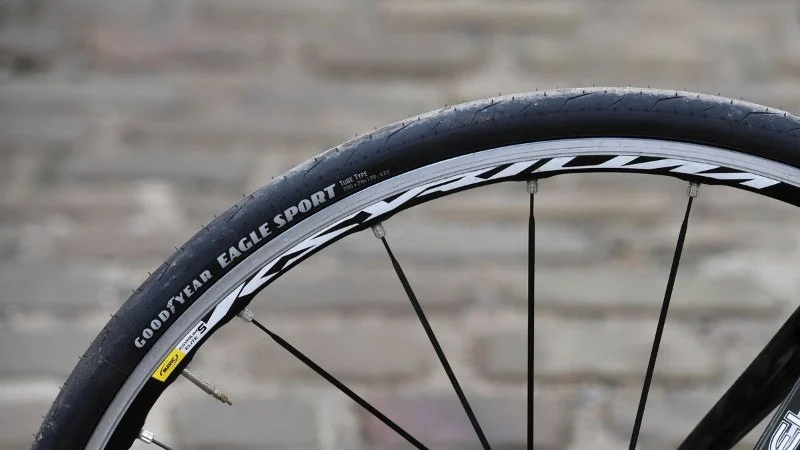
All-season road bike tires are specifically designed to perform reliably across a wide range of conditions, including dry, wet, and mildly cold environments. Unlike summer-specific tires, they provide a balance between grip, durability, and rolling efficiency, making them ideal for cyclists who train year-round without changing tires every season.
Most all-season tires use specialized rubber compounds that remain pliable in cooler temperatures, preventing excessive hardening that can compromise traction. Additionally, tread patterns are optimized to handle light rain and wet surfaces, which is essential for maintaining safety during unpredictable weather conditions.
For cyclists training in the U.S., especially in regions with variable climates such as the Midwest or Northeast, all-season tires reduce the need to constantly swap tires, saving both time and cost.
1.1 Why All-Season Tires Matter
Many riders underestimate the importance of tire choice on training performance. A quality all-season tire not only improves safety but also ensures consistent training results. Consistency is crucial for building endurance, improving speed, and preventing injuries caused by slipping on wet roads.
1.2 Common Misconceptions
Some cyclists assume that all-season tires are slower or heavier than summer-specific tires. While they may add a few grams and slightly increase rolling resistance, modern engineering has minimized these differences, allowing for high-performance training without significant compromises.
2. Key Factors to Consider When Choosing Tires
When selecting the best road bike tires for all-season training, several technical and practical factors must be considered to match your riding style and environment.
2.1 Tire Width and Comfort
Tire width directly affects comfort and rolling efficiency. Wider tires (28-32mm) absorb road vibrations better, offering a smoother ride in rough or wet conditions, while narrower tires (23-25mm) reduce rolling resistance, which is preferred by performance cyclists. Choosing the right balance depends on your primary training conditions.
2.2 Rubber Compound
The rubber compound impacts grip, longevity, and performance in cold or wet weather. Look for tires labeled with “all-weather” or “dual-compound” technology. Dual-compound tires typically have a harder central tread for durability and softer side compounds for cornering grip, perfect for year-round training.
2.3 Tread Pattern
All-season tires usually feature shallow grooves or siping that help channel water away without compromising speed. Avoid overly aggressive treads unless you plan to ride on wet or gravel-heavy routes frequently.
2.4 Puncture Resistance
Training through all seasons increases the risk of punctures from debris and rough surfaces. Tires with reinforced layers or puncture-resistant belts reduce downtime and maintenance costs. This feature is especially valuable for commuters and long-distance endurance cyclists.
3. Top Recommended Tires for All-Season Training
Based on performance reviews, rider feedback, and durability testing, the following tires stand out as excellent options for U.S. cyclists:
3.1 Continental Grand Prix 5000
Highly regarded for its exceptional grip and rolling efficiency, the Grand Prix 5000 is perfect for long-distance all-season training. Its Black Chili compound maintains flexibility in cooler temperatures, while Vectran puncture protection ensures durability. Many endurance riders swear by it for both wet and dry conditions.
3.2 Schwalbe Pro One Tubeless
The Pro One Tubeless combines low rolling resistance with solid wet-weather performance. Ideal for cyclists aiming to reduce punctures while enjoying smoother rides, tubeless technology also allows slightly lower tire pressures, increasing comfort without sacrificing speed.
3.3 Michelin Power Road
Michelin’s Power Road tires are designed for aggressive training with excellent cornering grip. Their all-season compound resists wear and provides consistent performance across varying temperatures. These are especially popular among competitive cyclists who train year-round.
For more detailed recommendations, readers can explore Cycling Guider to find the right tire, shop options, and seasonal gear advice.
4. Practical Tips for Extending Tire Life
Extending the lifespan of all-season tires not only saves money but also ensures consistent performance.
4.1 Regular Pressure Checks
Maintaining the recommended tire pressure improves rolling efficiency and reduces uneven wear. Consider investing in a high-quality gauge to check pressures before each ride.
4.2 Rotating Tires
Swapping front and rear tires periodically helps distribute wear evenly. The rear tire usually wears faster due to higher load, so rotation is key for longevity.
4.3 Cleaning and Debris Removal
Regularly inspect your tires for small stones, glass shards, or metal fragments. Cleaning after wet rides prevents compounds from degrading and maintains grip performance.
5. Real-Life Cycling Experiences and Stories
Consider Jane, a midwestern cyclist who trains 200 miles weekly. She switched from summer-specific tires to Continental Grand Prix 5000 all-season tires. During an unexpected rainstorm, she noted significant improvements in traction and stability, avoiding a fall that might have caused injury. Her story illustrates how investing in all-season tires directly impacts safety and performance.
Similarly, a New England triathlete shared that Schwalbe Pro One Tubeless tires allowed her to maintain training volume even in early spring when temperatures were low and roads were wet. She highlighted comfort and reduced punctures as major benefits.
6. Maintenance and Seasonal Adjustments
Even all-season tires require seasonal attention. Winter training in colder regions may still benefit from slightly wider tires to enhance grip on slick surfaces. In summer, keeping tires inflated at the higher end of the recommended range ensures minimal rolling resistance. Cycling Guider offers resources to track tire performance across seasons and make appropriate adjustments.
6.1 Checking Tread Depth
Monitor tread wear to avoid reduced wet-road performance. Replace tires when tread reaches the manufacturer’s minimum depth for safe all-season training.
6.2 Seasonal Compound Considerations
Some riders swap to softer compound tires in very cold or extremely wet months. However, modern all-season tires often remove the need for this, making training simpler and safer.
7. Conclusion and Next Steps
Choosing the best road bike tires for all-season training requires attention to rubber compounds, tread design, width, and puncture protection. By investing in high-quality all-season tires and maintaining them properly, cyclists can enjoy safer, more consistent rides throughout the year. Real-world experiences, like those of Jane and the New England triathlete, emphasize the tangible benefits of selecting the right tire.
For personalized tire recommendations, comprehensive gear reviews, and seasonal cycling advice, visit Cycling Guider to make informed choices that match your training needs.



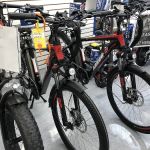
 Driven Electric Bikes - Ebike Sales and Repair5.0 (57 reviews)
 JNC E-Bikes & Hardware4.0 (43 reviews)
 E-mobile0.0 (0 reviews)
 Working Bikes4.0 (300 reviews)
 Playtri Middleton4.0 (50 reviews)
 Denver Bike + Ski Repair4.0 (98 reviews)
 How to Teach Kids to Ride a Bike: A Step-by-Step Guide for Parents
 Tips for Riding on Busy City Streets: Smart Strategies for Urban Cyclists
 Best US National Parks for Mountain Biking: Ride Epic Trails Across America
 Best Aero Helmets for Time Trials and Racing
 How to Clean and Lubricate Your Bike Chain Like a Pro
 10 Must-Have Items for Long-Distance Cycling Trips