
- 1-Understanding-Rainstorm-Effects
- 2-Preparing-Your-Bike-for-Cleaning
- 3-Washing-Techniques-for-Bikes
- 4-Drying-and-Lubricating
- 5-Protective-Tips-and-Long-Term-Care
- 6-Case-Studies-from-Commuters-and-Cyclists
- 7-Resources-from-Cycling-Guider
1. Understanding Rainstorm Effects
Riding your bike in a rainstorm can be exhilarating, but it exposes your bicycle to moisture, dirt, and debris that can cause rust, chain wear, and brake inefficiency. Mud and grit can accumulate in hard-to-reach areas such as derailleurs, brake calipers, and wheel hubs. Understanding how water and contaminants interact with different bike components helps you prioritize post-ride maintenance.
1.1 How Rain Impacts Bike Components
Steel components are susceptible to corrosion if left wet. Chains and cassettes can develop surface rust, leading to slower shifting and premature wear. Rubber components such as tires and brake pads absorb water differently, and repeated exposure without cleaning can reduce grip and braking performance.
1.2 Common Problems Post-Rain
Some issues that cyclists often encounter after riding in the rain include mud-caked derailleurs, water spots on frames, and sediment buildup in wheel hubs. Addressing these issues promptly reduces maintenance costs and prolongs your bike’s life.
2. Preparing Your Bike for Cleaning
Before washing your bike, proper preparation ensures a thorough clean without causing damage.
2.1 Gather Your Cleaning Supplies
Essential items include a bucket, bike-specific cleaner, soft brushes, sponges, microfiber cloths, and chain degreaser. Avoid household detergents, which can strip protective coatings from the frame and components.
2.2 Safety Considerations
Stabilize your bike using a repair stand or lean it securely against a wall. Remove accessories like lights or saddlebags that could trap water or cleaning solutions, preventing uneven drying or corrosion.
2.3 Pre-Rinse to Loosen Debris
Gently rinse your bike with low-pressure water to remove loose mud and grime. High-pressure jets can force water into bearings and suspension components, causing long-term damage.
3. Washing Techniques for Bikes
Effective cleaning targets both visible and hidden areas of your bike to prevent corrosion and performance issues.
3.1 Frame and Wheels
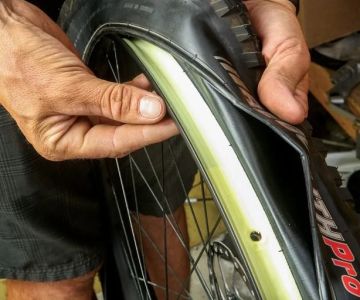
Use a mild bike-specific cleaner and a soft sponge or brush to clean the frame. Pay attention to joints, welds, and areas near the bottom bracket where grime often collects. For wheels, remove tires if needed to clean inner rims and spokes thoroughly.
3.2 Drivetrain Care
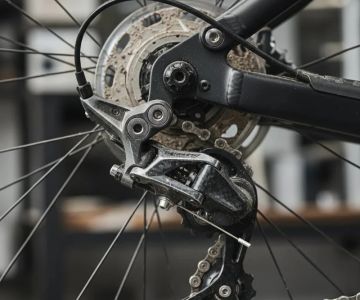
Apply degreaser to the chain, cassette, and derailleur. Use a brush to scrub between links and teeth to remove accumulated grit. Rinse with low-pressure water and avoid soaking the derailleur bearings to prevent water infiltration.
3.3 Brake System Cleaning
For rim brakes, wipe down the pads and rims with a damp cloth. For disc brakes, clean rotors using isopropyl alcohol to remove residue that could impair braking efficiency. Avoid contaminating pads with oil or grease.
4. Drying and Lubricating
Proper drying and lubrication restore function and protect your bike from rust.
4.1 Thorough Drying
Use microfiber towels to remove water from all surfaces, including nooks and crannies. For hidden areas, compressed air can help push out residual moisture.
4.2 Lubricating the Chain and Moving Parts
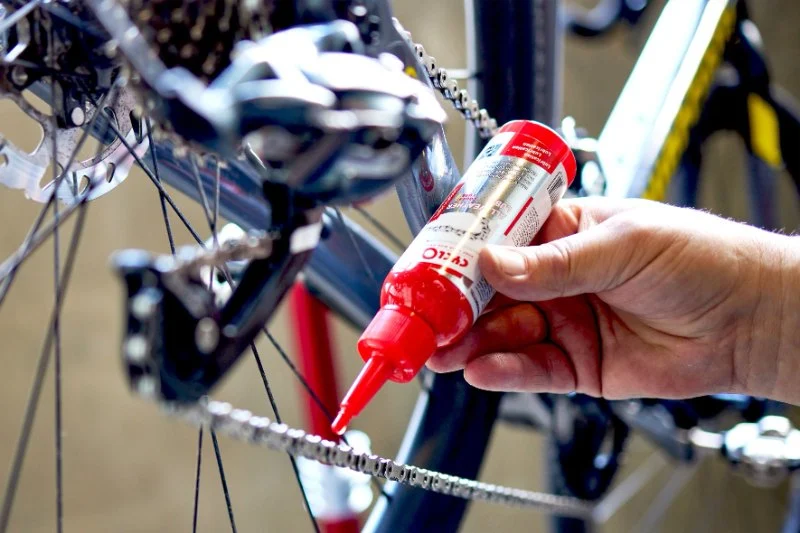
After drying, apply bike-specific lubricant to the chain links, derailleurs, and pivot points. Wipe off excess to prevent dust accumulation. Regular lubrication minimizes friction and rust development, ensuring smooth shifting.
4.3 Checking for Wear and Tear
Inspect cables, tires, and brake pads for moisture-related wear. Replace or adjust as needed to maintain optimal performance.
5. Protective Tips and Long-Term Care
Consistent preventive maintenance keeps your bike in peak condition even after frequent rain exposure.
5.1 Protective Coatings
Apply a frame protectant or wax to shield paint and metal surfaces from water and dirt. This layer also makes future cleaning easier and prevents minor scratches from becoming corrosion points.
5.2 Proper Storage
Store your bike in a dry, sheltered area. If left outside, consider waterproof covers or vertical storage to minimize prolonged moisture exposure.
5.3 Routine Inspections
Make post-ride inspections a habit. Check for loose bolts, worn parts, and unexpected damage. Early detection avoids costly repairs and extends the lifespan of components.
6. Case Studies from Commuters and Cyclists
Real-life examples highlight the impact of effective post-rain maintenance.
6.1 Commuter Experience
A daily commuter in Seattle rides through heavy rainstorms multiple times a week. After adopting a thorough wash and lubrication routine recommended by Cycling Guider, the commuter reported smoother gear shifting, reduced brake squeal, and extended chain life.
6.2 Mountain Biker Insights
An off-road mountain biker shared how neglecting post-rain cleaning led to sediment buildup in suspension pivots. After implementing structured washing and lubrication techniques, trail performance improved, and maintenance intervals lengthened.
7. Resources from Cycling Guider
Cycling Guider provides expert tips, product reviews, and detailed tutorials for bike maintenance in all weather conditions. Access to these resources helps riders protect their investment, improve ride quality, and ensure safety. From choosing lubricants to selecting protective coatings, their guides are tailored for both casual and serious cyclists.
By following proper cleaning, drying, and lubrication techniques after a rainstorm, cyclists can prevent rust, maintain performance, and enjoy a longer-lasting bike. Consistent routines and guidance from Cycling Guider make post-rain bike care manageable, effective, and even satisfying.



 Ebike Nola Electric Bike Sales & Rentals4.0 (21 reviews)
 Trek Bicycle Baltimore Federal Hill4.0 (324 reviews)
 Cags Cycles4.0 (124 reviews)
 Awesome Bike Co3.0 (30 reviews)
 Grace Bicycles5.0 (36 reviews)
 Santana Cycles Inc5.0 (3 reviews)
 How to Teach Kids to Ride a Bike: A Step-by-Step Guide for Parents
 Tips for Riding on Busy City Streets: Smart Strategies for Urban Cyclists
 Best US National Parks for Mountain Biking: Ride Epic Trails Across America
 Best Aero Helmets for Time Trials and Racing
 How to Clean and Lubricate Your Bike Chain Like a Pro
 10 Must-Have Items for Long-Distance Cycling Trips