
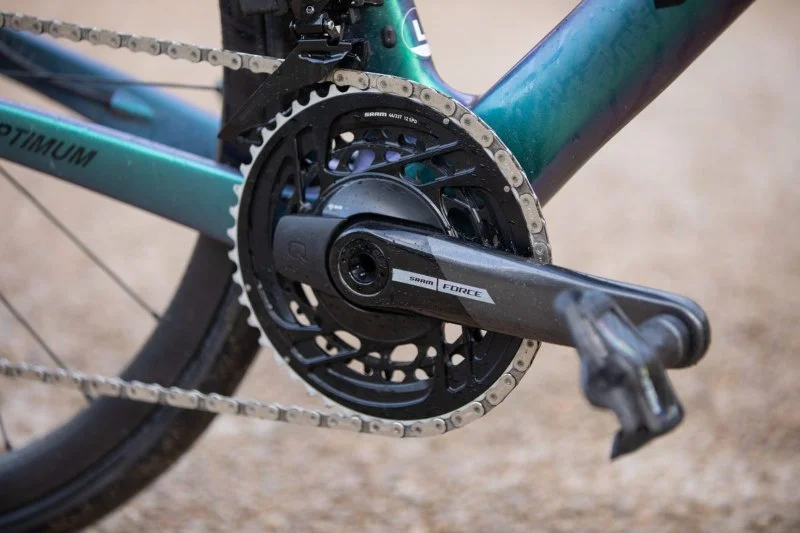
- 1-Understanding Chainrings-Function and Importance in Gravel Cycling
- 2-Common Chainring Configurations-Single, Double, and Triple Options
- 3-Factors Influencing Chainring Size Choice-Terrain, Rider Strength, and Riding Style
- 4-Recommended Chainring Sizes for Gravel Riding-Optimal Combinations
- 5-Case Studies from US Gravel Riders-Real-Life Experiences
- 6-Pros and Cons of Different Chainring Sizes-Balancing Speed and Climbing Ability
- 7-Maintenance and Upgrade Tips-Keeping Your Chainring Efficient
- 8-Choosing the Right Gear Provider-How Cycling Guider Can Help
1. Understanding Chainrings - Function and Importance in Gravel Cycling
Chainrings are the toothed rings attached to the crankset of your bike that drive the chain and ultimately propel your bicycle forward. For gravel bike riders, the choice of chainring size is crucial because it directly affects pedaling efficiency, climbing ability, and overall riding comfort. Unlike road cycling, gravel terrain involves varying surfaces, including loose gravel, dirt trails, and steep inclines, which demand a versatile gearing setup.
The two main aspects to consider when evaluating chainrings are the number of teeth and the combination with the rear cassette. Smaller chainrings make climbing easier, while larger ones provide higher speed on flat sections. Riders need to balance these factors to optimize performance across diverse terrain.
2. Common Chainring Configurations - Single, Double, and Triple Options
2.1 Single Chainring (1x)
The single chainring setup is increasingly popular among gravel riders due to its simplicity, lighter weight, and reduced maintenance. A typical 1x setup includes a 38-42 tooth chainring, paired with a wide-range cassette (11-42 teeth) at the rear. This configuration reduces the risk of chain drops and simplifies shifting, which is particularly beneficial during rough terrain rides.
2.2 Double Chainring (2x)
A double chainring setup provides a broader gear range, ideal for riders who encounter steep climbs and fast flats. Common combinations include 46/30T or 48/32T, offering a balanced compromise between climbing ease and top-end speed. While slightly heavier and more complex than 1x systems, double chainrings remain popular among riders who want versatility without extreme compromises.
2.3 Triple Chainring (3x)
Less common in modern gravel bikes, triple chainrings offer the widest gear range, useful for extremely hilly or technical terrain. Typical setups are 48/36/26T. While offering unmatched climbing options, triple setups are heavier, require more maintenance, and can be overkill for average US gravel trails.
3. Factors Influencing Chainring Size Choice - Terrain, Rider Strength, and Riding Style
3.1 Terrain Considerations
Gravel riders in the US encounter varying terrain, from rolling hills in the Midwest to mountainous trails in Colorado. Smaller chainrings (e.g., 38-42T) allow for smoother climbing, while larger chainrings (46-50T) are ideal for long stretches of flat or downhill riding. Evaluating the predominant terrain of your routes helps determine the optimal chainring size.
3.2 Rider Strength and Fitness
Physical conditioning plays a significant role in chainring selection. Stronger riders can handle larger chainrings without compromising cadence, while beginners or recreational riders benefit from smaller chainrings that make pedaling easier and less fatiguing on climbs.
3.3 Riding Style and Goals
Performance-focused riders who prioritize speed on mixed terrain may choose a 2x setup with larger chainrings, while endurance-focused riders prioritize comfort and low-effort climbing with smaller chainrings. Additionally, riders participating in competitive gravel events need to balance gear ratios for both efficiency and rapid adaptation to changing trail conditions.
4. Recommended Chainring Sizes for Gravel Riding - Optimal Combinations
4.1 Popular 1x Chainring Sizes
Most US gravel riders using 1x setups prefer 40T chainrings, paired with a wide-range cassette (11-42T or 10-50T). This setup provides enough top-end speed while keeping climbing manageable. Riders who frequently face steep inclines may opt for 38T, while flatter terrain favors 42T.
4.2 Common 2x Chainring Combinations
Double setups like 46/30T or 48/32T are widely recommended. The larger ring handles high-speed flats and descents, while the smaller ring ensures efficient climbing. Riders can adjust chainring selection based on personal strength and typical ride conditions.
4.3 Specialized Configurations
Some riders experiment with compact 44/28T or 42/28T setups for ultra-endurance rides or extremely technical terrain. These configurations prioritize climbing ability without sacrificing moderate flat terrain performance.
5. Case Studies from US Gravel Riders - Real-Life Experiences
5.1 Colorado Trail Rider
Emily, a competitive gravel rider from Colorado, switched from a 2x46/36T setup to a 1x40T system after experiencing frequent chain drops on rocky trails. She reported improved confidence, reduced mechanical issues, and comparable speed on flat sections.
5.2 Midwest Endurance Enthusiast
James, an endurance rider from Iowa, used a 2x48/32T configuration for mixed gravel terrain. The setup allowed him to maintain higher speeds on long flat roads while still tackling rolling hills efficiently, demonstrating the balance between chainring sizes and terrain adaptation.
5.3 California Coastal Rider
Sophia preferred a 1x42T setup with a wide-range cassette along the California coastline, where trails include both sandy sections and moderate climbs. The configuration minimized shifting complexity and increased overall ride enjoyment.
6. Pros and Cons of Different Chainring Sizes - Balancing Speed and Climbing Ability
6.1 Small Chainrings (38-42T)
Pros: Easier climbing, reduced fatigue, fewer mechanical issues.
Cons: Limited top-end speed, may spin out on flat sections.
6.2 Medium Chainrings (42-46T)
Pros: Balanced performance for mixed terrain, versatile gearing.
Cons: May not optimize extreme climbing or maximum speed potential.
6.3 Large Chainrings (46-50T)
Pros: High-speed capability, suitable for flat terrain and fast descents.
Cons: Harder to climb steep hills, increased fatigue for some riders.
7. Maintenance and Upgrade Tips - Keeping Your Chainring Efficient
7.1 Regular Cleaning and Lubrication
Gravel trails can be dusty and muddy, which wears chainrings faster. Regular cleaning, inspection, and lubrication extend lifespan and maintain smooth shifting.
7.2 Chainring Wear Monitoring
Inspect teeth for wear and deformation. Replace worn chainrings to prevent chain skipping and preserve drivetrain efficiency, especially for long-distance rides.
7.3 Upgrading Drivetrain Components
When upgrading chainrings, consider compatibility with cranksets and cassettes. Consult experts or resources like Cycling Guider for guidance on optimal gear ratios for your riding style.
8. Choosing the Right Gear Provider - How Cycling Guider Can Help
Finding the right chainrings and gear setups can be overwhelming. Cycling Guider offers expert advice, product recommendations, and reviews specifically tailored for gravel bike riders. Whether you're a casual rider or a competitive racer, using their insights helps select the best chainring sizes and optimize your riding experience.
By exploring customer feedback, manufacturer specifications, and real-life rider experiences, Cycling Guider ensures that US gravel bike enthusiasts can make informed decisions that enhance both performance and enjoyment.

 Frank’s Electric Bike Shop3.0 (108 reviews)
 Epic Cycles Solana Beach5.0 (121 reviews)
 Beach E Biking | E-Bike Rentals, Sales & Service in Redondo Beach5.0 (144 reviews)
 Flatbike5.0 (2 reviews)
 The eBike Store, Inc4.0 (251 reviews)
 Mellow Johnny's4.0 (519 reviews)
 How to Teach Kids to Ride a Bike: A Step-by-Step Guide for Parents
 Tips for Riding on Busy City Streets: Smart Strategies for Urban Cyclists
 Best US National Parks for Mountain Biking: Ride Epic Trails Across America
 Best Aero Helmets for Time Trials and Racing
 How to Clean and Lubricate Your Bike Chain Like a Pro
 10 Must-Have Items for Long-Distance Cycling Trips