
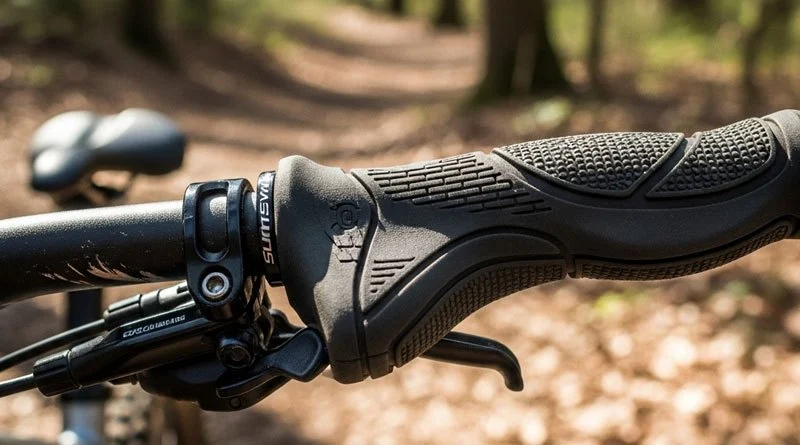
- - why handlebar grip design affects hand fatigue - #grip-ergonomics
- - materials and cushioning technologies in modern grips - #grip-materials
- - best use cases for road, MTB, and commuter bikes - #bike-types-grips
- - real cycling fatigue case studies and rider stories - #rider-experience
- - how vibration control improves long-distance comfort - #vibration-control
- - installation and adjustment tips for better performance - #grip-installation
- - long-term maintenance and replacement timing - #grip-maintenance
Why Handlebar Grip Design Directly Affects Hand Fatigue
Cyclists often underestimate how much pressure their hands absorb during a ride. Whether on city streets, mountain trails, or long highway stretches, the handlebar is the primary contact point between rider and bike. This is why choosing the Best Handlebar Grips for Reducing Hand Fatigue is not just a comfort decision—it is a performance and health decision.
Hand fatigue typically occurs due to constant micro-vibrations transmitted from the road surface through the bike frame into the rider’s palms and fingers. Over time, this can lead to numbness, reduced grip strength, and even wrist discomfort. Poor grip design often amplifies this issue by failing to distribute pressure evenly across the hand.
Ergonomic grips are designed to solve this problem by increasing surface contact area and reducing localized pressure points. Instead of concentrating force in the palm center, they spread it across a broader surface, significantly improving comfort during long rides.
Professional cyclists and commuters alike report that even small improvements in grip ergonomics can dramatically reduce fatigue on rides exceeding one hour. This is particularly noticeable in urban cycling environments where constant braking and acceleration increase hand strain.
Materials and Cushioning Technologies in Modern Grips
The evolution of handlebar grip materials has played a major role in improving cycling comfort. Early grips were often made of simple rubber compounds that provided minimal vibration damping. Today, manufacturers use advanced materials engineered specifically for shock absorption and ergonomic support.
One of the most effective materials used in modern designs is high-density silicone foam. This material offers a unique balance between softness and structural stability, allowing it to absorb road vibrations while maintaining firm control.
Another popular option is dual-density rubber, which combines a softer outer layer for comfort with a firmer inner core for durability. This structure helps maintain grip shape over time while still reducing pressure on the hands.
Some premium grips also incorporate gel-infused padding, which adapts to the shape of the rider’s hand during prolonged use. This adaptive cushioning reduces strain during long-distance cycling, making it a popular choice among touring cyclists.
In the context of the Best Handlebar Grips for Reducing Hand Fatigue, material selection is often the deciding factor between short-term comfort and long-term endurance performance.
Best Use Cases for Road, MTB, and Commuter Bikes
Different cycling styles place different demands on handlebar grips. Understanding these differences is essential when selecting the right setup for reducing hand fatigue.
Road cyclists typically prioritize lightweight grips with minimal bulk. Since road bikes rely on speed and aerodynamics, grips must provide comfort without adding unnecessary weight or altering hand positioning. Thin but vibration-dampening tape systems are commonly used in this category.
Mountain bikers, on the other hand, face significantly more terrain variation. Rocks, roots, and uneven surfaces generate high-impact vibrations. For this reason, MTB riders often choose thick, shock-absorbing grips with textured surfaces to maintain control in technical conditions.
Commuter cyclists require a balance between comfort and durability. Since daily rides often involve mixed terrain and frequent stops, grips with moderate cushioning and strong weather resistance tend to perform best.
A common real-world example comes from a long-distance cycling enthusiast in Colorado who switched from standard rubber grips to ergonomic gel-based grips. Within two weeks of daily commuting, reported hand numbness decreased significantly, especially during uphill segments.
Real Cycling Fatigue Case Studies and Rider Stories
Understanding Best Handlebar Grips for Reducing Hand Fatigue becomes more meaningful when looking at actual rider experiences. Many cyclists only realize the importance of grip quality after experiencing discomfort during long rides.
One documented case involved a delivery cyclist in a busy urban environment who rode over 60 miles per day. Initially using basic foam grips, the rider experienced severe wrist fatigue and occasional numbness. After switching to ergonomic, vibration-damping grips, discomfort decreased within days, and endurance improved noticeably.
Another cyclist, a weekend touring rider, shared that long-distance rides exceeding four hours became significantly more enjoyable after upgrading to contoured grips. The reduction in pressure points allowed for better circulation and reduced the need for frequent hand repositioning.
These stories highlight a consistent pattern: grip quality is often overlooked until discomfort appears, yet it plays a crucial role in preventing fatigue before it starts.
How Vibration Control Improves Long-Distance Comfort
One of the most important functions of high-quality handlebar grips is vibration control. Road vibrations may seem minor at first, but over extended periods, they accumulate and cause muscle fatigue in the hands and forearms.
Modern grip designs use internal damping structures to reduce vibration transfer. These may include honeycomb patterns, gel inserts, or layered foam systems that break up vibration frequency before it reaches the rider’s hands.
This reduction in vibration not only improves comfort but also enhances safety. Riders with less hand fatigue maintain better braking control and reaction times, especially on rough terrain or during long descents.
Scientific studies in cycling ergonomics have shown that reducing vibration exposure can significantly lower the risk of repetitive strain injuries. This makes vibration-damping grips a key component of long-term cycling health.
Installation and Adjustment Tips for Better Performance
Even the Best Handlebar Grips for Reducing Hand Fatigue will not perform optimally if installed incorrectly. Proper installation ensures maximum contact stability and comfort.
Before installing new grips, handlebars should be thoroughly cleaned to remove oil, dust, or old adhesive residue. This ensures a secure fit and prevents slipping during rides.
Some grips require compressed air or light lubrication during installation to slide into place. However, excessive lubrication should be avoided as it may reduce friction once the grip is in position.
Proper alignment is also critical. Grips should be positioned so that ergonomic contours match natural hand placement when riding. Misalignment can actually increase fatigue rather than reduce it.
Professional bike fitters often recommend testing grip positioning during short rides and making minor adjustments before final tightening. This iterative approach ensures optimal comfort for individual riding styles.
For riders looking to explore optimized cycling comfort setups and accessory recommendations, Cycling Guider offers curated insights into handlebar grip options designed for different riding conditions and fatigue reduction goals.
Long-Term Maintenance and Replacement Timing
Like any cycling component, handlebar grips degrade over time. Exposure to sunlight, sweat, rain, and friction gradually reduces their cushioning ability and surface texture.
A common sign that grips need replacement is increased hand fatigue during rides that previously felt comfortable. Another indicator is visible wear such as cracking, hardening, or loss of texture grip.
Regular cleaning can extend grip lifespan. Using mild soap and water helps remove dirt buildup without damaging material integrity. Harsh chemicals should be avoided as they can break down rubber compounds.
Most cyclists replace grips every one to two years depending on usage intensity. High-mileage riders may need more frequent replacements to maintain optimal comfort and safety.
Ultimately, maintaining proper grip condition is a small but essential part of ensuring long-term cycling performance and comfort. When combined with proper bike fit and riding posture, high-quality grips significantly reduce hand fatigue and enhance overall riding enjoyment.


 North Road Bicycle Imports4.0 (4 reviews)
 Gregg's Bellevue Cycle4.0 (294 reviews)
 SOUL FAST EBIKES HB4.0 (6 reviews)
 Lake Perris BMX5.0 (7 reviews)
 Greenway 500 Bike Shop5.0 (66 reviews)
 Turtle Rock Ebikes5.0 (5 reviews)
 How to Teach Kids to Ride a Bike: A Step-by-Step Guide for Parents
 Tips for Riding on Busy City Streets: Smart Strategies for Urban Cyclists
 Best US National Parks for Mountain Biking: Ride Epic Trails Across America
 Best Aero Helmets for Time Trials and Racing
 How to Clean and Lubricate Your Bike Chain Like a Pro
 10 Must-Have Items for Long-Distance Cycling Trips