
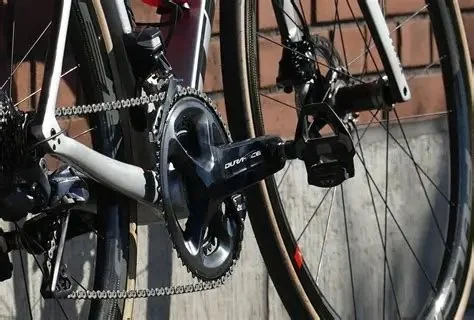
- What Is an Electronic Groupset?
- Shimano Di2 System Explained
- SRAM Electronic Shifting Overview
- Campagnolo EPS Breakdown
- Performance Comparison: SRAM vs Shimano vs Campagnolo
- Real-World Riding Experience and Case Study
- How to Choose the Right System
What Is an Electronic Groupset?
Electronic groupsets represent one of the most significant technological shifts in modern road cycling. Instead of relying on traditional mechanical cables, these systems use electronic signals to control gear shifting. The result is faster, more precise, and often more consistent performance across all riding conditions.
For many cyclists, especially those moving from mid-range mechanical setups, the first ride with an electronic drivetrain feels almost unreal. The shift is instant, effortless, and surprisingly quiet. It’s not just an upgrade—it changes how you interact with the bike itself.
Today, the three dominant systems in this space are SRAM, Shimano, and Campagnolo. Each brand brings its own engineering philosophy, design priorities, and riding feel.
Shimano Di2 System Explained
Precision and Predictability
Shimano’s Di2 system is known for its extremely reliable and consistent shifting. Riders often describe it as “clinical” in its precision. Every shift feels identical, regardless of terrain or weather.
Battery Efficiency and Integration
One of Shimano’s biggest strengths is battery efficiency. A single charge can last weeks of riding, depending on usage. The system is also deeply integrated with Shimano’s ecosystem, making compatibility across components very smooth.
Riding Feel
The feel of Di2 shifting is subtle but firm. It doesn’t try to be flashy—it focuses on reliability. Many endurance riders prefer Shimano for long-distance events where predictability matters more than aggressive responsiveness.
SRAM Electronic Shifting Overview
Wireless Freedom
SRAM eTap (now AXS) introduced a fully wireless shifting system, removing the need for internal shift wiring. This simplifies installation and reduces frame complexity.
Intuitive Controls
SRAM uses a unique shift logic: one paddle shifts up, the other shifts down. This minimalist approach reduces confusion, especially for riders switching between bikes.
Customization and App Integration
Through the AXS app, riders can customize shifting behavior, monitor battery levels, and even adjust component pairing. This digital integration makes SRAM especially appealing to tech-oriented cyclists.
Riding Experience
SRAM systems feel slightly more aggressive and responsive compared to Shimano. Many riders describe it as “sporty” and direct, especially in sprint or race situations.
Campagnolo EPS Breakdown
Italian Craftsmanship Philosophy
Campagnolo EPS (Electronic Power Shift) carries the brand’s heritage of precision engineering and aesthetic design. It is often seen as the most “artisan” of the three systems.
Distinct Shift Feel
Campagnolo shifting is crisp and deliberate. Unlike Shimano’s smooth consistency or SRAM’s direct responsiveness, EPS delivers a tactile, almost mechanical-feeling electronic shift.
Design and Integration
Campagnolo components are beautifully designed, often appealing to riders who value aesthetics as much as performance. However, integration options are more limited compared to Shimano and SRAM ecosystems.
Performance Comparison: SRAM vs Shimano vs Campagnolo
Shifting Speed and Accuracy
All three systems deliver extremely fast shifting, but Shimano tends to prioritize smooth consistency, SRAM emphasizes speed and simplicity, while Campagnolo focuses on mechanical precision feel.
Ease of Maintenance
SRAM leads in simplicity due to its wireless design. Shimano requires slightly more installation complexity but is extremely reliable once set up. Campagnolo sits in the middle, with specialized servicing requirements.
Battery Systems
Shimano uses a centralized battery system, SRAM uses individual rechargeable batteries for derailleurs, and Campagnolo uses a hybrid approach depending on the model. Each system has different charging habits and maintenance routines.
Riding Style Compatibility
Climbers often prefer Shimano for consistency, sprinters lean toward SRAM for responsiveness, and enthusiasts who value tradition may gravitate toward Campagnolo.
Real-World Riding Experience and Case Study
A cyclist from Manchester switched from a mechanical drivetrain to Shimano Di2 before participating in a 200 km charity ride across rolling terrain. Initially skeptical about electronic shifting, he quickly noticed reduced fatigue in his hands and more consistent performance during long climbs.
Another rider in California tested SRAM AXS during mixed terrain gravel events. The wireless system allowed quick adjustments and reduced mechanical failure concerns, especially in muddy conditions where cable systems often struggle.
Meanwhile, a seasoned Italian cyclist using Campagnolo EPS described the system as “emotionally satisfying,” emphasizing the tactile feedback and heritage feel during competitive road races.
These real-world experiences highlight that while performance metrics matter, personal preference and riding context play an equally important role.
How to Choose the Right System
Riding Goals and Terrain
If your focus is endurance and reliability, Shimano is often the safest choice. For racing and performance-driven cycling, SRAM offers a more aggressive feel. If craftsmanship and tradition matter most, Campagnolo stands apart.
Budget and Ecosystem
Electronic groupsets are a significant investment. Beyond the drivetrain itself, compatibility with wheels, frames, and future upgrades should be considered carefully.
Maintenance Expectations
Riders who prefer low-maintenance setups often lean toward SRAM’s wireless system. Those comfortable with professional servicing may find Shimano or Campagnolo equally satisfying.
For cyclists looking to explore deeper technical comparisons, upgrade advice, or component selection guidance, Cycling Guider provides curated insights and product recommendations tailored to different riding styles and experience levels.

 Vivelo - handcrafted, customized bicycles4.0 (62 reviews)
 Summit Bicycles4.0 (124 reviews)
 Boost Ebikes5.0 (70 reviews)
 SOAP&WATER BICYCLE CO.0.0 (0 reviews)
 Let's Ride Cyclery Bike Shop4.0 (98 reviews)
 Rick's Bike Shop4.0 (316 reviews)
 How to Teach Kids to Ride a Bike: A Step-by-Step Guide for Parents
 Tips for Riding on Busy City Streets: Smart Strategies for Urban Cyclists
 Best US National Parks for Mountain Biking: Ride Epic Trails Across America
 Best Aero Helmets for Time Trials and Racing
 How to Clean and Lubricate Your Bike Chain Like a Pro
 10 Must-Have Items for Long-Distance Cycling Trips