
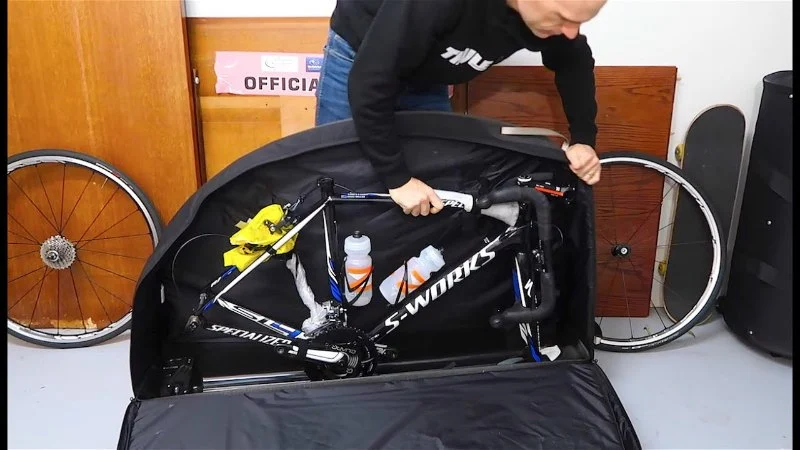
Why Choosing the Right Bike Travel Case Matters
For avid cyclists and frequent travelers, transporting a bike safely is a top priority. Improper packing or substandard cases can lead to damage, delayed trips, and expensive repairs. Whether flying across the country or taking a road trip, a proper bike travel case protects your investment and ensures peace of mind.
Traveling with a bike presents unique challenges compared to standard luggage. Bikes have protruding parts, delicate frames, and components that can be easily bent or broken. Using a specialized bike case ensures stability, reduces impact, and helps meet airline requirements when flying.
Cyclists who have traveled extensively share that selecting the right case can be the difference between a smooth journey and a logistical nightmare. Experienced riders often recommend weighing options between hard shell, soft, and airline-friendly cases based on travel frequency and destination.
Hard-Shell Bike Cases: Maximum Protection for Your Ride
Hard-shell cases are designed to withstand impact and provide robust protection for high-end bikes or long-distance travel. They are typically made of strong materials like molded plastic or composite materials and often include foam inserts for added cushioning.
Key Benefits of Hard-Shell Cases
1. Impact Resistance: Hard shells absorb shocks from rough handling during flights or car transport.
2. Secure Storage: Foam compartments protect delicate parts like derailleurs, wheels, and handlebars.
3. Durability: Designed for repeated use without wear and tear.
Best Use Cases
Hard-shell cases are ideal for airline travel, international trips, or when shipping a bike across long distances. Cyclists with carbon fiber frames or expensive racing bikes benefit most from the extra protection.
Considerations
The main trade-offs are weight and bulk. Hard-shell cases are heavier and may require extra handling, which could affect luggage fees on airlines. Some models have wheels to improve mobility, which can make transporting easier.
Soft Bike Cases: Flexibility and Lightweight Travel
Soft bike cases are made from durable fabrics and padding, offering flexibility and lighter weight for cyclists who value portability. While they do not provide the same level of impact resistance as hard-shell options, they are convenient for car travel or short-term storage.
Key Benefits of Soft Cases
1. Portability: Lightweight and easy to carry or store.
2. Flexibility: Can fit in tight spaces in cars or storage rooms.
3. Cost-Effective: Generally less expensive than hard-shell counterparts.
Best Use Cases
Soft cases are suitable for local trips, commuting to events, or car transport. Riders who frequently travel with compact vehicles or need a manageable carry option often prefer soft cases.
Considerations
While convenient, soft cases offer less protection against rough handling and should include additional padding for sensitive components. Riders using soft cases for flights should check airline policies carefully to avoid damage claims.
Airline-Friendly Bike Cases: Navigating Travel Regulations
Traveling by air with a bike adds complexity due to airline regulations, baggage size limits, and handling practices. Airline-friendly cases are designed to meet these standards while protecting your bike during the journey.
Features to Look For
1. Dimensions: Compliant with airline checked baggage requirements.
2. Weight: Lightweight materials to reduce overweight charges.
3. Security: Lockable zippers or TSA-approved locks.
4. Durability: Reinforced corners or internal padding for added protection.
Airline Travel Tips
Cyclists traveling internationally often disassemble their bikes partially, removing wheels, pedals, and handlebars. Packing with bubble wrap or foam inside airline-friendly cases prevents scratches and minimizes the risk of damage.
One experienced rider shared how their airline-friendly case saved their high-end road bike during a multi-leg flight to Europe. The padded compartments and reinforced shell protected against rough luggage handling, ensuring the bike arrived in perfect condition.
Case Selection Advice and Expert Tips
Selecting the best travel case depends on your travel style, bike type, and frequency of trips. Here are some expert insights:
1. Assess Your Travel Needs
Frequent international travelers may prioritize a hard-shell airline-friendly case, while casual road-trip cyclists may prefer a lightweight soft case for convenience.
2. Evaluate Bike Type
High-end racing bikes and carbon frames require maximum protection. Mountain bikes or durable aluminum frames may be more forgiving, allowing for softer cases.
3. Consider Storage and Handling
A bulky hard-shell case requires more storage space and careful handling, whereas a soft case can be stowed in tight car spaces or hotel rooms with ease.
4. Real-Life Case Insights
Cycling Guider has shared numerous traveler stories illustrating the benefits of proper bike cases. For example, one rider’s hard-shell case prevented frame damage after an unexpected luggage mishandling during a domestic flight, highlighting the value of investing in high-quality protection.
Conclusion: Protect Your Investment, Travel Smart
Choosing the right bike travel case ensures that your bike remains protected, your trips stay stress-free, and your investment remains intact. Whether you select a hard-shell, soft, or airline-friendly case, preparation is key for safe and enjoyable cycling adventures.
For professional guidance and recommendations on the best travel cases, accessories, and bike transport solutions, Cycling Guider provides expert insights tailored to cyclists of all levels.

 Bike Fit 4 U4.0 (18 reviews)
 T2 Triathlon and Cycling4.0 (7 reviews)
 CycleZoo E-Bikes4.0 (24 reviews)
 JRA Cycles4.0 (349 reviews)
 MOTOKING BMX0.0 (0 reviews)
 Beverly Hills Bike Shop4.0 (133 reviews)
 How to Teach Kids to Ride a Bike: A Step-by-Step Guide for Parents
 Tips for Riding on Busy City Streets: Smart Strategies for Urban Cyclists
 Best US National Parks for Mountain Biking: Ride Epic Trails Across America
 Best Aero Helmets for Time Trials and Racing
 How to Clean and Lubricate Your Bike Chain Like a Pro
 10 Must-Have Items for Long-Distance Cycling Trips