
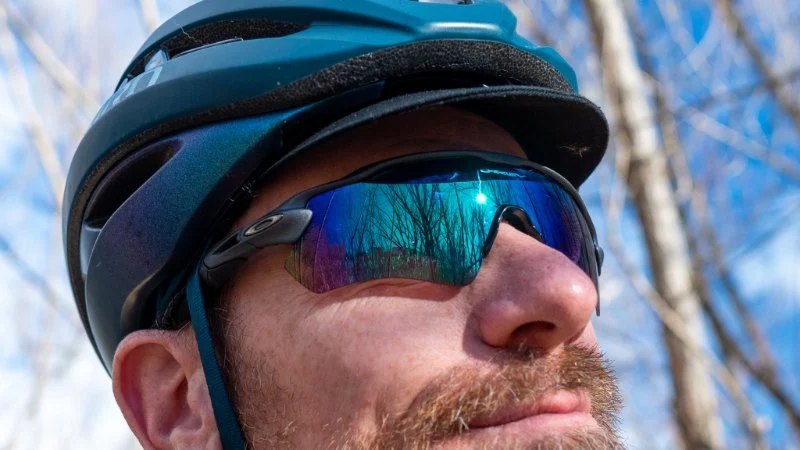
- Why Specialized Eyewear Matters - Visibility - Safety - Comfort
- Understanding Low-Light Lenses - Lens Colors - Light Transmission - Clarity
- Photochromic Technology - Adaptive Performance - Real World Benefits
- Frame Features That Improve Performance - Fit - Ventilation - Durability
- Best Types for Different Riders - Road - Gravel - Mountain Biking
- Common Buying Mistakes - Lens Choices - Fit Problems - Budget Traps
- Real-World Riding Examples - Practical Experiences - Lessons Learned
- Maintenance and Care - Cleaning - Storage - Longevity
- Choosing the Right Option for Your Cycling Needs
Why Specialized Eyewear Matters
Many cyclists assume sunglasses are only necessary on bright summer days. However, experienced riders know that some of the most challenging visual conditions occur during cloudy mornings, overcast afternoons, foggy commutes, and shaded forest trails. Finding the best sunglasses for cloudy and low-light cycling days is less about blocking sunlight and more about enhancing visibility, reducing eye strain, and protecting your eyes from debris.
Cloud cover often creates flat lighting conditions. Road imperfections, potholes, gravel patches, and trail obstacles become harder to distinguish. The right cycling eyewear can dramatically improve contrast and depth perception, allowing riders to react faster and ride with greater confidence.
1. Visibility Challenges in Low-Light Conditions
When sunlight is limited, your eyes work harder to identify details. Cyclists frequently encounter:
- Reduced contrast between road surfaces and hazards.
- Shadows that conceal obstacles.
- Glare from wet pavement.
- Changing light conditions during long rides.
- Fog and mist that affect depth perception.
The right lenses can help solve many of these problems without making the environment appear darker.
2. Protection Beyond Sunlight
Cycling glasses provide protection from more than UV rays. Even on cloudy days, riders face:
- Flying insects.
- Dust and dirt.
- Road debris.
- Tree branches.
- Wind-induced eye watering.
Good eyewear improves comfort while helping cyclists maintain focus over long distances.
Understanding Low-Light Lenses
One of the biggest misconceptions about cycling sunglasses is that darker lenses are always better. In reality, cloudy weather requires a completely different approach.
1. Why Lens Color Matters
Lens tint directly affects how your eyes interpret visual information. Certain colors enhance contrast while maintaining brightness.
Yellow Lenses
Yellow lenses are often recommended for low-light riding because they increase contrast and help define road features. They can make objects stand out more clearly against gray surroundings.
Amber Lenses
Amber lenses improve depth perception and enhance visibility during overcast conditions. Many road cyclists prefer amber because it balances brightness with detail enhancement.
Rose and Copper Lenses
These lenses improve contrast while maintaining natural color recognition. They work particularly well on mixed terrain rides where riders transition between open roads and wooded sections.
Clear Lenses
For extremely dark conditions such as dawn rides or dense forests, clear lenses provide protection without reducing available light.
2. Visible Light Transmission Explained
Visible Light Transmission (VLT) refers to the percentage of light that passes through a lens.
- 80%–100% VLT: Excellent for dark or heavily overcast conditions.
- 50%–80% VLT: Ideal for most cloudy cycling situations.
- 20%–50% VLT: Better suited for variable weather.
- Below 20% VLT: Primarily designed for bright sunlight.
Understanding VLT helps cyclists avoid purchasing lenses that are too dark for their typical riding conditions.
Photochromic Technology
One of the biggest advancements in cycling eyewear is photochromic lens technology. These lenses automatically adjust their tint based on available light.
1. How Photochromic Lenses Work
Special molecules embedded in the lens react to UV exposure. When sunlight increases, the lenses darken. When conditions become cloudy, they return to a lighter state.
2. Advantages for Cyclists
Photochromic sunglasses eliminate the need to switch lenses during a ride. This feature is especially valuable for cyclists who:
- Ride long distances.
- Commute during changing weather.
- Travel through tunnels.
- Ride in mountain regions.
- Transition between forested trails and open roads.
3. A Real Riding Scenario
A cyclist participating in a century ride along Northern California's coastline may begin the morning in dense fog, encounter bright sunlight at midday, and finish under cloudy skies. Traditional lenses may perform well in only one phase of the ride. Photochromic lenses adapt throughout the day, providing a more versatile solution.
Frame Features That Improve Performance
The best sunglasses for cloudy and low-light cycling days depend on more than lens technology. Frame design significantly affects comfort and performance.
1. Secure Fit
A stable frame prevents distractions during rough terrain. Features to look for include:
- Adjustable nose pads.
- Rubber temple grips.
- Lightweight materials.
- Flexible arms.
2. Ventilation Systems
Fogging is a common complaint during cool and damp weather. Well-designed ventilation channels promote airflow and reduce condensation.
3. Coverage Area
Larger lenses provide:
- Better wind protection.
- Improved peripheral vision.
- Reduced exposure to debris.
- Enhanced overall safety.
4. Durability Considerations
Cycling eyewear must withstand drops, vibrations, and occasional crashes. Polycarbonate lenses remain popular because they combine impact resistance with lightweight construction.
Best Types for Different Riders
1. Road Cyclists
Road riders often face rapidly changing weather conditions. Photochromic lenses with large wraparound coverage typically provide the best balance of protection and visibility.
Key Priorities
- Aerodynamics.
- Wide field of vision.
- Glare management.
- Comfort during long rides.
2. Gravel Cyclists
Gravel riders frequently encounter dust, tree cover, and varying terrain. Amber or rose-tinted lenses are often preferred because they enhance contrast on mixed surfaces.
3. Mountain Bikers
Mountain biking often involves riding through dense forests where lighting changes every few seconds. High-VLT lenses and photochromic technology can significantly improve obstacle recognition.
4. Urban Commuters
Commuters benefit from lenses that enhance visibility during morning and evening rides. Clear or lightly tinted lenses often perform best in city environments.
Common Buying Mistakes
1. Choosing Dark Lenses for Every Ride
This is perhaps the most common mistake. Dark lenses designed for bright sunlight may reduce visibility on cloudy days and increase eye fatigue.
2. Ignoring Fit
Even premium lenses become ineffective if the frame constantly shifts during riding.
3. Focusing Only on Appearance
Stylish eyewear is appealing, but performance should always come first. Cyclists benefit most from products designed specifically for riding.
4. Overlooking Fog Resistance
Low-light conditions often coincide with cooler temperatures. Anti-fog coatings and ventilation systems are crucial features that many buyers overlook.
Real-World Riding Examples
During a popular gravel event in the Pacific Northwest, riders frequently report that low-light visibility is more challenging than direct sunlight. Early morning fog, wet roads, and dense forests create difficult visual conditions.
Participants who use appropriate contrast-enhancing lenses often report greater confidence when descending gravel roads and navigating technical sections.
Similarly, urban cyclists commuting through cities such as Seattle, Portland, and San Francisco often encounter extended periods of cloud cover. Many find that photochromic or lightly tinted amber lenses provide the best balance of comfort and visibility throughout the year.
Lessons From Experienced Riders
Veteran cyclists often emphasize three key principles:
- Prioritize visibility over darkness.
- Invest in comfort and fit.
- Choose versatility when weather changes frequently.
These principles consistently appear in rider reviews and long-term cycling discussions.
Maintenance and Care
1. Cleaning Techniques
Proper cleaning preserves lens clarity and extends lifespan.
- Use microfiber cloths.
- Rinse dirt before wiping.
- Avoid paper towels.
- Use lens-safe cleaning solutions.
2. Storage Practices
Store sunglasses in a protective case when not in use. This prevents scratches and protects lens coatings.
3. Regular Inspection
Check nose pads, hinges, and ventilation openings periodically. Small maintenance habits help preserve long-term performance.
Choosing the Right Option for Your Cycling Needs
Selecting the best sunglasses for cloudy and low-light cycling days requires understanding how and where you ride. Riders who frequently encounter changing weather may benefit from photochromic lenses, while commuters may prefer clear or lightly tinted options. Gravel and mountain bikers often gain advantages from contrast-enhancing amber or rose lenses.
Investing in high-quality eyewear can improve confidence, comfort, and safety more than many cyclists expect. Better visibility means better decision-making, smoother handling, and a more enjoyable ride overall.
For cyclists looking to compare gear, discover equipment recommendations, and learn more about practical riding accessories, Cycling Guider is a valuable resource for finding products and cycling solutions suited to different riding conditions and skill levels.
Whether you're navigating foggy morning commutes, overcast weekend rides, or shaded forest trails, choosing the right cycling eyewear can transform the experience. The next time cloudy skies appear on the forecast, you'll be prepared with lenses that help you see the road ahead clearly and ride with confidence.




 eCyclepath Hayward3.0 (168 reviews)
 Fat Rick's Bicycle Emporium4.0 (42 reviews)
 Trek Bicycle Dunedin0.0 (0 reviews)
 The Boys & Girls Club Bike Exchange4.0 (59 reviews)
 CycleWerks Bicycle & Fitness4.0 (196 reviews)
 Verrazano Bicycle Shop3.0 (195 reviews)
 How to Teach Kids to Ride a Bike: A Step-by-Step Guide for Parents
 Tips for Riding on Busy City Streets: Smart Strategies for Urban Cyclists
 Best US National Parks for Mountain Biking: Ride Epic Trails Across America
 Best Aero Helmets for Time Trials and Racing
 How to Clean and Lubricate Your Bike Chain Like a Pro
 10 Must-Have Items for Long-Distance Cycling Trips