
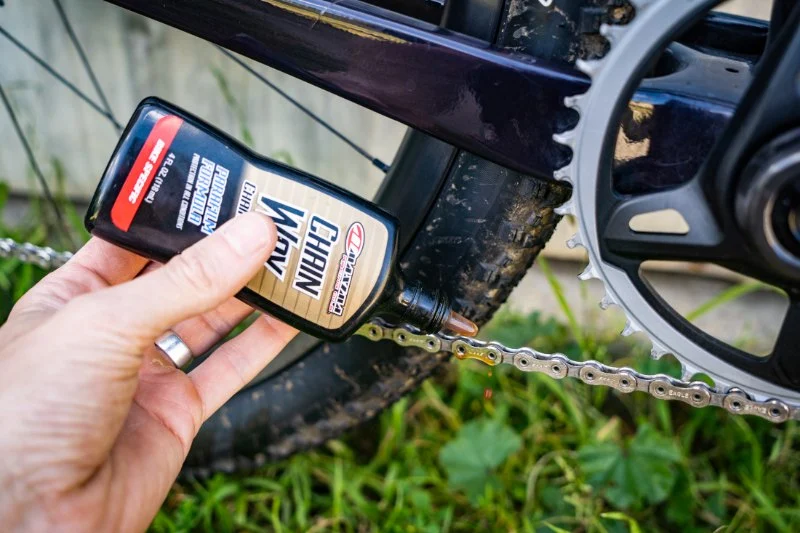
- Understanding chain lubrication basics - bike-chain-friction-wear-control
- Wet condition lubrication strategy - wet-chain-lube-rain-ride-protection
- Dry and dusty environment care - dry-chain-lubricant-dust-control-performance
- Muddy trail riding maintenance - muddy-bike-chain-protection-heavy-conditions
- Real rider experiences and expert recommendations - cycling-maintenance-real-world-insights
Why Chain Lubrication Matters More Than Most Cyclists Realize
When riders talk about performance upgrades, they often mention tires, frames, or drivetrain components. Yet one of the most overlooked factors affecting efficiency is proper lubrication. Choosing the best chain lubricants is not just about smooth pedaling—it directly impacts drivetrain lifespan, shifting accuracy, and overall ride quality.
Every cycling environment creates a different kind of stress on your chain. Wet roads wash lubricants away, dry air causes friction buildup, mud clogs links, and dust acts like fine sandpaper. Understanding how each condition affects your drivetrain is the foundation of smart maintenance.
Wet Conditions: Fighting Rain, Puddles, and Constant Wash-Off
Why Wet Chain Lube Is Essential
Riding in rain or consistently damp environments demands a lubricant that can resist water displacement. A standard oil-based lube will quickly wash off, leaving metal exposed to corrosion. This is where a dedicated wet chain lube becomes critical.
Wet lubricants are typically thicker, more adhesive, and designed to cling to chain surfaces even under heavy rain. While they may attract more dirt, their primary advantage is durability in extreme moisture.
Real Rider Scenario: Commuting Through British Rain
A commuter cyclist in Manchester shared how switching to a wet chain lubricant completely changed their winter rides. Previously, their chain would squeak and rust within days of exposure. After using a proper wet formula, drivetrain noise decreased significantly, and maintenance intervals doubled.
This is a common experience in the UK cycling community, where rain is not occasional—it is part of the riding environment.
Dry Conditions: Lightweight Performance and Clean Efficiency
How Dry Chain Lubricants Work
In dry environments, lubrication needs shift dramatically. Instead of resisting water, the goal becomes reducing dust buildup while maintaining low friction. A dry chain lubricant is typically thinner and contains wax or light oil formulas that dry quickly after application.
This reduces sticky residue, which otherwise attracts dust and forms abrasive paste inside chain links.
Ideal Use Cases for Dry Lubes
Dry lubricants are especially effective for summer road cycling, indoor training setups, and arid environments. Riders often notice smoother gear shifts and quieter drivetrain operation when conditions remain dry.
However, they require more frequent application compared to wet lubricants, especially after long rides.
Muddy Conditions: The Most Demanding Environment for Chains
Challenges of Off-Road and Trail Riding
Mud is one of the most destructive forces for a bike drivetrain. It penetrates chain links, increases friction, and accelerates wear. Riders using mountain trails or cross-country routes need lubrication strategies that prioritize protection and frequent cleaning cycles.
A muddy bike chain protection approach typically combines a strong wet lubricant with post-ride cleaning routines. Without maintenance, even high-end chains degrade quickly under muddy stress.
Case Study: Weekend Trail Rider Experience
A trail cyclist in Wales described how switching lubricant types depending on terrain transformed their maintenance routine. Instead of replacing chains every season, proper lubrication and cleaning extended drivetrain life significantly.
They emphasized that muddy conditions are not just about lubrication choice—they are about discipline in post-ride care.
Dusty Conditions: Silent Wear That Builds Over Time
Why Dust Is More Dangerous Than It Looks
Dust may seem harmless compared to rain or mud, but it acts like microscopic sandpaper inside chain links. Over time, it accelerates wear and reduces efficiency.
For dusty cycling environments, a balanced lubricant that does not stay overly sticky is ideal. Too much residue can attract more particles, creating a grinding paste effect.
Dry Lubes vs Hybrid Solutions
Some riders prefer hybrid lubricants that combine elements of dry and wet formulas. These are especially useful for regions where conditions shift between dry afternoons and humid mornings.
This flexibility is why many experienced cyclists rely on experimenting rather than sticking to one universal product.
How to Choose the Right Lubricant for Your Riding Style
Matching Environment to Product Type
The key to selecting the best chain lubricants lies in understanding your primary riding conditions:
Wet climates require durability and water resistance. Dry climates require clean operation and low residue. Off-road riding demands resilience against mud and debris. Dusty environments require controlled lubrication that avoids buildup.
Maintenance Frequency Matters as Much as Product Choice
Even the highest-quality lubricant fails without proper maintenance. Cleaning the chain regularly ensures that old residue does not mix with new applications. This is especially important when switching between wet and dry conditions seasonally.
Cycling experts from Cycling Guider often emphasize that consistency in maintenance is more important than brand selection.
Expert Insights from Real Cycling Environments
Professional mechanics often observe that cyclists underestimate environmental impact on drivetrain wear. A chain used in London rain behaves completely differently from one used in southern dry climates.
One mechanic shared a case where two identical bikes showed drastically different wear levels after six months—purely due to lubrication mismatch with riding conditions.
This highlights the importance of adapting lubrication strategy rather than relying on a single universal solution.
Common Mistakes Cyclists Make with Chain Lubrication
Over-Lubrication Issues
Applying too much lubricant is one of the most frequent errors. Excess oil attracts dirt, forming abrasive buildup that damages drivetrain components faster than no lubrication at all.
Ignoring Cleaning Cycles
Another mistake is failing to clean the chain before reapplying lubricant. Mixing old grime with fresh lubricant reduces effectiveness and increases friction.
Using the Wrong Lube for the Season
Many riders stick to one type of lubricant year-round, which leads to inefficiency. Seasonal adjustment is essential for optimal performance.
Building a Long-Term Chain Care Routine
A sustainable approach to chain maintenance involves regular inspection, seasonal lubricant switching, and environment-based adjustments. Riders who follow structured care routines consistently report smoother rides and longer drivetrain lifespan.
Over time, this approach reduces repair costs and improves cycling efficiency, especially for those who ride frequently in mixed conditions.
For cyclists looking to explore deeper maintenance strategies and curated product recommendations, Cycling Guider provides resources that help match lubrication choices with real-world riding environments.
Final Expert Perspective on Chain Lubrication Strategy
Understanding the role of environment in chain performance is essential for every cyclist. Whether riding through wet city streets, dry countryside roads, muddy trails, or dusty paths, choosing the right lubrication approach transforms both performance and durability.
The smartest riders do not rely on a single product—they adapt, maintain, and respond to conditions. That mindset is what separates casual cycling from long-term mechanical efficiency and enjoyable riding.





 eCyclepath Hayward3.0 (168 reviews)
 Fat Rick's Bicycle Emporium4.0 (42 reviews)
 Trek Bicycle Dunedin0.0 (0 reviews)
 The Boys & Girls Club Bike Exchange4.0 (59 reviews)
 CycleWerks Bicycle & Fitness4.0 (196 reviews)
 Verrazano Bicycle Shop3.0 (195 reviews)
 How to Teach Kids to Ride a Bike: A Step-by-Step Guide for Parents
 Tips for Riding on Busy City Streets: Smart Strategies for Urban Cyclists
 Best US National Parks for Mountain Biking: Ride Epic Trails Across America
 Best Aero Helmets for Time Trials and Racing
 How to Clean and Lubricate Your Bike Chain Like a Pro
 10 Must-Have Items for Long-Distance Cycling Trips