
- 1-Why-Virtual-Reality-Bike-Trainers-Are-Revolutionizing-Indoor-Cycling
- 2-Key-Features-to-Look-for-in-VR-Bike-Trainers
- 3-Top-Bike-Trainers-With-Virtual-Reality-Features-Review
- 4-Benefits-of-Using-VR-Bike-Trainers-for-Training
- 5-Real-User-Stories-and-Case-Studies
- 6-Setup-Tips-for-Optimizing-Your-VR-Cycling-Experience
- 7-Common-Mistakes-to-Avoid-with-VR-Bike-Trainers
- 8-Professional-Tips-from-Cycling-Guider
1. Why Virtual Reality Bike Trainers Are Revolutionizing Indoor Cycling
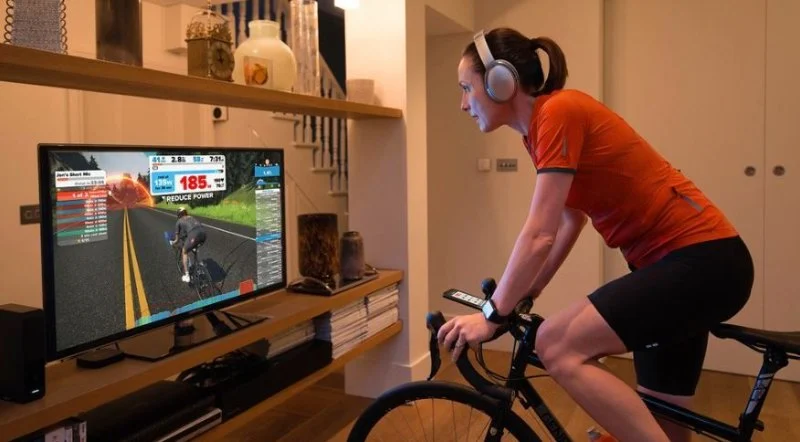
Indoor cycling has transformed dramatically with the integration of virtual reality (VR) technology. Traditional bike trainers allowed riders to simulate outdoor cycling conditions, but VR-enabled trainers now immerse cyclists in realistic landscapes, races, and interactive training environments.
Virtual reality bike trainers provide a multi-sensory experience, where riders not only see a 3D environment but also feel resistance changes that mimic hills, wind, and terrain variability. For riders who struggle to maintain motivation during indoor sessions, VR adds engagement, gamification, and a sense of community through multiplayer modes.
Understanding best bike trainers with virtual reality features involves evaluating both hardware quality and software compatibility. A high-end trainer without responsive VR software may not deliver a truly immersive experience, while a strong VR platform paired with a mediocre trainer can lead to inconsistent feedback and reduced performance.
2. Key Features to Look for in VR Bike Trainers
When shopping for a VR-enabled bike trainer, several critical features determine both performance and enjoyment:
- Direct-Drive or Wheel-On Mechanism: Direct-drive trainers offer more accurate resistance and quieter operation, ideal for VR simulations of climbs and sprints.
- Smart Resistance: Trainers with automatic resistance adjustments respond to virtual terrain changes, enhancing realism.
- Connectivity: Look for Bluetooth or ANT+ compatibility with popular VR cycling apps to ensure seamless integration.
- Stable Frame: Safety and stability are crucial, especially during high-intensity VR rides.
- Compatibility with Accessories: Sensors, heart rate monitors, and cadence meters enhance tracking and training efficiency.
Other important considerations include ease of assembly, adjustability for different bike sizes, and noise levels, especially for indoor use in shared spaces.
3. Top Bike Trainers With Virtual Reality Features Review
Several trainers stand out for their combination of VR integration, reliability, and user satisfaction:
1. Tacx Neo 2T Smart Trainer: Known for its quiet operation and highly accurate power measurement, it syncs with leading VR cycling platforms. Users praise its lifelike road feel and slope simulation.
2. Wahoo KICKR V5: A favorite among serious cyclists for its strong resistance and stable direct-drive system. Its VR compatibility supports immersive routes and multiplayer races, making indoor training more dynamic.
3. Elite Suito-T: Offers a more affordable VR entry point with robust performance. Setup is straightforward, and it supports automatic resistance changes during virtual climbs and descents.
Choosing the right trainer depends on cycling goals, budget, and the level of immersion desired. Combining professional-grade VR software with a capable trainer is key to maximizing the indoor cycling experience.
4. Benefits of Using VR Bike Trainers for Training
VR bike trainers offer numerous advantages over conventional indoor cycling:
- Motivation and Engagement: Interactive courses and competitions make long sessions feel shorter and more enjoyable.
- Structured Training: Access to virtual coaching, interval programs, and terrain simulation allows precise performance improvement.
- Reduced Boredom: Immersive landscapes and real-world route replication provide mental stimulation.
- Performance Tracking: Metrics like power output, cadence, and heart rate are accurately monitored, enabling data-driven progress.
Riders often report improved consistency and adherence to training schedules when using VR trainers, making them a valuable tool for both casual and competitive cyclists.
5. Real-User Stories and Case Studies
Jessica, a triathlete in Florida, used a VR trainer during the off-season to simulate race courses. She found that virtual hill climbs prepared her better than traditional indoor trainers, improving her real-world climbing endurance.
Mark, a recreational cyclist, shared that VR cycling turned daily indoor rides into exciting events. Joining virtual group rides with friends kept him motivated even during winter months, leading to improved fitness and mental well-being.
These stories illustrate how best bike trainers with virtual reality features can transform indoor cycling from a monotonous routine into an engaging, performance-enhancing activity.
6. Setup Tips for Optimizing Your VR Cycling Experience
For the best VR cycling experience, proper setup is essential:
- Ensure your trainer is level and stable on the floor to prevent wobbling during VR sessions.
- Calibrate resistance settings according to your bike type and software requirements.
- Pair heart rate monitors, cadence sensors, and power meters for comprehensive tracking.
- Arrange a fan and hydration within reach, as immersive sessions can be intense and sweat-inducing.
- Adjust VR display settings for clarity and reduce motion sickness risks.
7. Common Mistakes to Avoid with VR Bike Trainers
Even with high-quality trainers, mistakes can reduce the effectiveness of your VR cycling experience:
- Neglecting calibration, which can result in inaccurate resistance and metrics.
- Using incompatible software or apps that fail to sync with your trainer.
- Ignoring ergonomics, leading to discomfort or strain during extended sessions.
- Overlooking ventilation, as VR rides can cause overheating indoors.
Awareness of these common pitfalls ensures a safer, more productive, and enjoyable indoor cycling routine.
8. Professional Tips from Cycling Guider
Experts at Cycling Guider recommend the following to get the most from your VR bike trainer:
- Invest in both reliable hardware and compatible VR software for optimal immersion.
- Start with moderate session durations and gradually increase intensity to prevent fatigue.
- Use performance data analytics to tailor training programs to your goals.
- Explore social and competitive features within VR platforms to maintain motivation and engagement.
By carefully selecting your equipment and adhering to best practices, VR bike trainers can revolutionize your indoor cycling, providing both fun and measurable performance benefits.



 Sugar Wheel Works4.0 (70 reviews)
 bike alley4.0 (1 reviews)
 Merrick Bicycles4.0 (198 reviews)
 Safety Cycle4.0 (206 reviews)
 Next E-Bikes5.0 (101 reviews)
 Lititz Bike Works4.0 (455 reviews)
 How to Teach Kids to Ride a Bike: A Step-by-Step Guide for Parents
 Tips for Riding on Busy City Streets: Smart Strategies for Urban Cyclists
 Best US National Parks for Mountain Biking: Ride Epic Trails Across America
 Best Aero Helmets for Time Trials and Racing
 How to Clean and Lubricate Your Bike Chain Like a Pro
 10 Must-Have Items for Long-Distance Cycling Trips