
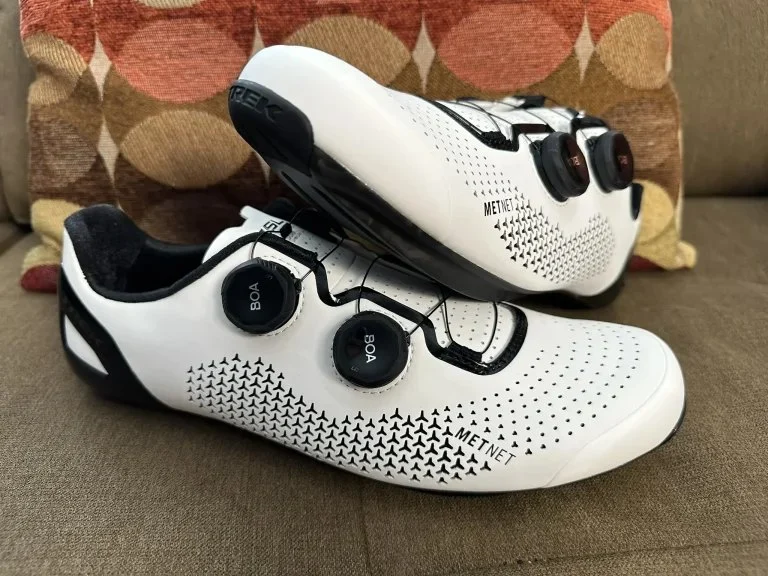
- - Why Choosing the Right Cycling Shoes for Wide Feet Matters
- - Understanding Foot Anatomy and Common Challenges
- - Key Features of Wide Cycling Shoes in 2025
- - Road vs Mountain Bike Shoes: Fit and Function
- - Materials and Construction for Comfort and Durability
- - Closure Systems and Their Impact on Fit
- - Real Rider Experiences and Lessons Learned
- - Sizing, Break-In, and Fit Tips
- - Maintaining Wide Cycling Shoes for Longevity
- - Where to Find Trusted Recommendations and Gear
Why Choosing the Right Cycling Shoes for Wide Feet Matters
Riders with wide feet often struggle to find cycling shoes that offer both performance and comfort. Shoes that are too narrow can lead to hot spots, numb toes, and chronic discomfort, affecting both short rides and long-distance tours. Choosing the best cycling shoes for wide feet in 2025 ensures that you maintain efficiency, power transfer, and overall enjoyment on the bike.
Properly fitting shoes can also prevent long-term issues such as bunions, plantar fasciitis, and other foot injuries. With advances in 2025 shoe designs, wide-footed cyclists now have access to options that were once limited to custom orders or modified footwear.
The Importance of Fit in Cycling Performance
Even the most aerodynamic or stiffest cycling shoes are ineffective if they don’t accommodate the rider’s foot shape. A shoe that pinches or restricts natural movement can reduce pedal efficiency and increase fatigue during long rides.
Understanding Foot Anatomy and Common Challenges
Wide-footed riders face unique challenges due to differences in bone structure, toe splay, and arch width. Understanding these anatomical factors helps in selecting shoes that truly fit.
Common Issues with Standard Cycling Shoes
1. Toe Box Compression – Standard shoes often squeeze toes together, leading to discomfort and numbness.
2. Midfoot Pressure – Narrow shoes can create pressure points across the instep.
3. Heel Slippage – Poor fit at the heel can compromise power transfer and increase the risk of blisters.
Many 2025 cycling shoes now address these challenges with wider last designs, adjustable closures, and flexible materials that expand without sacrificing rigidity.
Key Features of Wide Cycling Shoes in 2025
When evaluating shoes for wide feet, several features should be prioritized for both comfort and performance.
Wide Toe Boxes
A roomy toe box allows natural toe splay, improves blood flow, and reduces the risk of numbness during long rides. In 2025, manufacturers have expanded widths without adding bulk, combining anatomical fit with lightweight construction.
Flexible Yet Stiff Soles
While comfort is crucial, stiff soles are necessary for efficient power transfer. Advanced materials like carbon-reinforced nylon provide optimal stiffness while accommodating slightly wider feet.
Adjustable Closure Systems
Closures such as BOA dials, velcro straps, and ratcheting systems allow precise adjustments, accommodating swelling during long rides and providing a customizable fit.
Road vs Mountain Bike Shoes: Fit and Function
Wide-footed cyclists must consider both the type of riding and shoe design.
Road Cycling Shoes
Road shoes typically prioritize stiffness, weight savings, and aerodynamics. For wide feet, look for shoes with wide-specific lasts and enhanced ventilation to accommodate natural foot expansion during rides.
Mountain Bike Shoes
MTB shoes must balance grip, durability, and comfort for walking or hiking short distances. Wide-footed designs often include reinforced toe boxes, flexible yet durable soles, and more adaptable closure systems to secure the foot on rough terrain.
Materials and Construction for Comfort and Durability
The 2025 models incorporate advanced materials to improve comfort without sacrificing performance.
Uppers
Microfiber, synthetic leather, and breathable mesh provide flexibility and airflow while supporting wider foot shapes. Stretch panels in the toe box allow additional room during long rides.
Soles
Carbon and nylon composites create rigid soles for power efficiency. Some shoes now use reinforced rubber inserts in high-wear areas for MTB shoes, enhancing grip and durability.
Heel Cups and Padding
Well-designed heel cups reduce slippage while padded liners enhance comfort. Wide-footed riders benefit from shoes with slightly higher-volume heel designs to accommodate the foot’s natural contour.
Closure Systems and Their Impact on Fit
Modern closure systems in wide cycling shoes allow precise adjustment and comfort customization.
BOA Dials
Micro-adjustable dials allow uniform tension across the foot, reducing pressure points and providing a secure fit without restricting blood flow.
Velcro Straps
Velcro systems are popular for quick adjustments and affordability. Multi-strap configurations allow targeted pressure relief in the midfoot and toe areas.
Ratcheting Buckles
Ratcheting systems offer strong support and incremental adjustments. They are particularly useful for MTB shoes that endure variable terrain.
Real Rider Experiences and Lessons Learned
John, a cyclist from Colorado, struggled for years with numb toes during long road rides. Switching to a wide-specific 2025 model with a BOA closure and carbon-reinforced sole dramatically improved comfort and reduced fatigue.
Similarly, a group of MTB enthusiasts in Oregon shared that wide MTB shoes with reinforced toe boxes and adjustable straps reduced hotspots and improved stability on rocky trails. Real-world experiences confirm that investing in the right wide-footed shoe translates directly to improved performance and enjoyment.
Sizing, Break-In, and Fit Tips
Even wide shoes require proper sizing and break-in for optimal performance.
Measure Accurately
Use a Brannock device or foot measuring tool to determine both length and width. Measure at the end of the day when feet are slightly swollen for more accurate sizing.
Gradual Break-In
Start with shorter rides to allow the shoe to conform to your foot. Even with wide-specific shoes, stretching and material settling may take a few rides.
Check for Pressure Points
After the first ride, inspect your feet for any hot spots or discomfort. Minor adjustments via closure systems often resolve these issues.
Maintaining Wide Cycling Shoes for Longevity
Proper care prolongs the life of your shoes and maintains performance.
Cleaning
Remove dirt and mud promptly, especially from mesh and closure systems, to prevent fabric degradation.
Drying
Avoid direct heat. Air-dry in a well-ventilated space to maintain shape and prevent sole separation.
Inspect Regularly
Check for worn soles, damaged straps, or compromised closures. Timely maintenance prevents further damage and ensures consistent performance.
Where to Find Trusted Recommendations and Gear
For wide-footed cyclists seeking the best options, Cycling Guider provides detailed reviews, product comparisons, and expert advice. Whether you need road shoes with extra toe room or MTB shoes with reinforced wide lasts, Cycling Guider helps you identify the models that suit your riding style and foot anatomy.
Investing in the right cycling shoes for wide feet in 2025 not only improves comfort but enhances overall cycling efficiency. By choosing thoughtfully and leveraging expert resources, wide-footed riders can enjoy longer, more enjoyable rides without compromise.






 Zone 3 Multisport LLC4.0 (46 reviews)
 AAAA Bike Shop4.0 (169 reviews)
 Velocipede Cyclery4.0 (134 reviews)
 Trek Bicycle San Diego Kearny Mesa4.0 (1090 reviews)
 Junction Bike Company and Rentals4.0 (301 reviews)
 Ridge Cyclery3.0 (100 reviews)
 How to Teach Kids to Ride a Bike: A Step-by-Step Guide for Parents
 Tips for Riding on Busy City Streets: Smart Strategies for Urban Cyclists
 Best US National Parks for Mountain Biking: Ride Epic Trails Across America
 Best Aero Helmets for Time Trials and Racing
 How to Clean and Lubricate Your Bike Chain Like a Pro
 10 Must-Have Items for Long-Distance Cycling Trips