
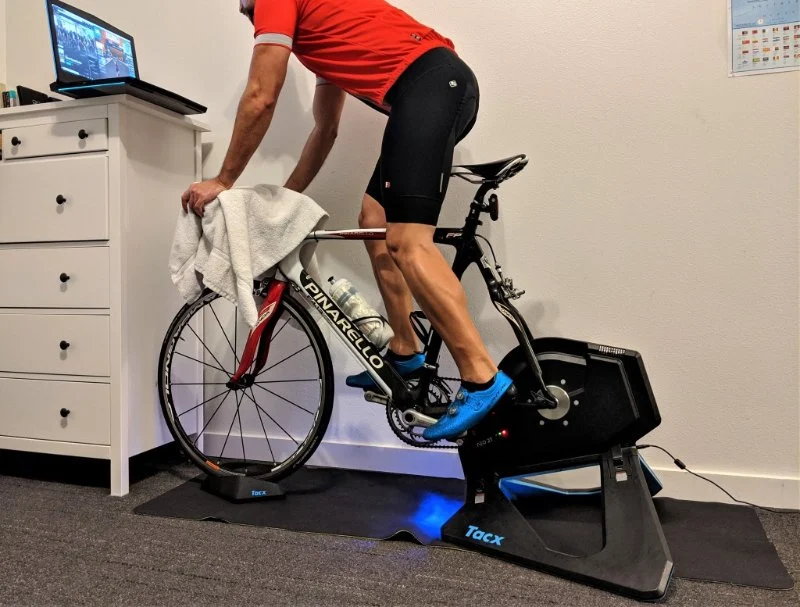
- #section1 - The Rise of Virtual Reality in Indoor Cycling Training
- #section2 - How Smart Bike Trainers Create Realistic Riding Experiences
- #section3 - Key Features That Define High-End VR Cycling Trainers
- #section4 - Real Story: How Virtual Cycling Changed One Amateur Rider’s Training
- #section5 - Comparing Direct-Drive vs Wheel-On VR Compatible Trainers
- #section6 - The Role of Platforms Like Zwift and Interactive Cycling Worlds
- #section7 - Common Mistakes When Choosing a Virtual Reality Bike Trainer
- #section8 - Comfort, Noise, and Resistance Control in Indoor Cycling
- #section9 - How to Build a Professional-Level Home Cycling Setup
- #section10 - The Future of Immersive Cycling and AI-Driven Training Systems
The Rise of Virtual Reality in Indoor Cycling Training
Indoor cycling has transformed dramatically over the last decade. What was once a static training experience on a basic stationary bike has evolved into a fully immersive digital sport powered by virtual reality systems and intelligent resistance trainers.
When exploring Best Bike Trainers With Virtual Reality Features, it becomes clear that the goal is no longer just fitness—it is about experience. Riders are no longer staring at a wall while pedaling; instead, they are climbing mountain passes, racing through virtual cities, and competing with cyclists around the world in real time.
This shift has made indoor training more engaging, especially for riders who struggle with motivation during long solo sessions. The psychological difference between “exercise” and “virtual adventure” is one of the biggest innovations in modern cycling technology.
How Smart Bike Trainers Create Realistic Riding Experiences
Modern smart trainers are designed to replicate real-world cycling conditions with impressive accuracy. These devices adjust resistance automatically based on terrain changes in virtual environments.
For example, when a rider approaches a virtual hill, the trainer increases resistance to simulate climbing. On downhill sections, resistance decreases, allowing for faster cadence and recovery moments.
This dynamic response is what makes VR cycling feel authentic. Instead of manually adjusting settings, the system reacts instantly to digital terrain data, creating a seamless connection between the rider and the virtual world.
Key Features That Define High-End VR Cycling Trainers
Not all trainers are built the same. High-end models designed for virtual reality cycling typically include advanced features such as power measurement accuracy, gradient simulation, and wireless connectivity.
Power accuracy is especially important for serious cyclists who use structured training programs. Even small deviations in wattage can affect performance tracking and progress evaluation.
Another critical feature is responsiveness. The best trainers react instantly to changes in virtual terrain, ensuring that the rider feels connected to the simulation without lag or delay.
Noise reduction is also a major consideration, especially for home users. Premium trainers are engineered to operate quietly, making them suitable for apartments or shared living spaces.
Real Story: How Virtual Cycling Changed One Amateur Rider’s Training
A frequently shared story in cycling communities involves an amateur rider who struggled to maintain consistency during winter months. Outdoor riding became difficult due to weather conditions, and traditional indoor cycling felt monotonous.
After investing in a VR-compatible smart trainer, his training routine changed completely. He joined virtual cycling groups, participated in online races, and began exploring simulated mountain routes.
Within months, his endurance improved significantly, not because he trained longer, but because he trained more consistently. The immersive experience removed the boredom barrier that previously disrupted his routine.
This example highlights how the Best Bike Trainers With Virtual Reality Features are not just fitness tools but behavioral motivators.
Comparing Direct-Drive vs Wheel-On VR Compatible Trainers
One of the most important decisions when choosing a smart trainer is whether to go with a direct-drive or wheel-on system.
Direct-drive trainers remove the rear wheel and connect the bike directly to the trainer. This setup provides higher accuracy, smoother resistance transitions, and better overall realism in VR environments.
Wheel-on trainers, on the other hand, are more affordable and easier to set up. However, they may produce slightly less accurate power readings and can generate more noise during use.
For riders focused on immersive virtual reality training, direct-drive systems are often the preferred choice due to their precision and responsiveness.
The Role of Platforms Like Zwift and Interactive Cycling Worlds
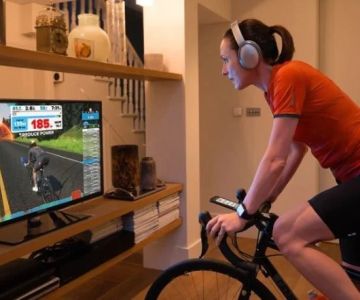
Virtual cycling platforms have played a major role in popularizing smart trainers. These platforms create fully interactive environments where riders can compete, train, and explore digital landscapes.
Users can join group rides, participate in structured workouts, or compete in global racing events. The social aspect of these platforms adds motivation and accountability.
In many cases, riders find themselves more engaged in virtual races than traditional gym workouts, simply because of the competitive and community-driven nature of these environments.
Common Mistakes When Choosing a Virtual Reality Bike Trainer
One common mistake is choosing a trainer based solely on price. While budget options exist, they may lack the responsiveness needed for immersive VR experiences.
Another issue is ignoring platform compatibility. Not all trainers work seamlessly with all virtual cycling apps, which can limit the overall experience.
Some users also underestimate the importance of setup space. VR cycling requires a stable environment, proper ventilation, and enough room for safe movement.
Understanding these factors helps ensure a more satisfying long-term investment.
Comfort, Noise, and Resistance Control in Indoor Cycling
Comfort plays a major role in how often a rider uses their indoor trainer. Poor ergonomics or excessive noise can quickly reduce motivation.
High-quality trainers are designed with smooth resistance transitions that mimic real cycling motion. This reduces joint strain and creates a more natural riding experience.
Noise control is especially important for shared living environments. Modern systems use belt-driven mechanisms and precision engineering to minimize sound output.
These features collectively contribute to a more enjoyable and sustainable training experience.
How to Build a Professional-Level Home Cycling Setup
Creating a home cycling studio is not just about buying a trainer. It involves optimizing the entire environment for performance and comfort.
Proper ventilation, stable flooring, and device placement all contribute to a better experience. Many riders also invest in dual-screen setups to enhance immersion in virtual environments.
Accessories such as sweat guards, cycling mats, and hydration systems further improve usability during long sessions.
Cycling Guider provides insights and product recommendations for riders looking to build a professional-grade indoor cycling setup tailored to VR training systems.
The Future of Immersive Cycling and AI-Driven Training Systems
The future of indoor cycling is moving toward even greater levels of immersion. Artificial intelligence is beginning to play a role in adapting workouts based on user performance, fatigue levels, and training history.
Future trainers may automatically adjust resistance not only based on virtual terrain but also on biometric feedback such as heart rate and muscle fatigue.
This evolution will make virtual cycling even more personalized and efficient, bridging the gap between professional coaching and home training environments.
As technology continues to evolve, the Best Bike Trainers With Virtual Reality Features will become central tools for both amateur and professional cyclists seeking high-performance indoor training.



 Around Town Bicycles Inc4.0 (70 reviews)
 Advanced Cycles Orlando, FL4.0 (249 reviews)
 Pompton Cycle4.0 (32 reviews)
 Seattle Electric Bike4.0 (110 reviews)
 RiNoVELO Bicycle Workshop4.0 (22 reviews)
 Trek Bicycle Westlake Village4.0 (577 reviews)
 How to Teach Kids to Ride a Bike: A Step-by-Step Guide for Parents
 Tips for Riding on Busy City Streets: Smart Strategies for Urban Cyclists
 Best US National Parks for Mountain Biking: Ride Epic Trails Across America
 Best Aero Helmets for Time Trials and Racing
 How to Clean and Lubricate Your Bike Chain Like a Pro
 10 Must-Have Items for Long-Distance Cycling Trips