
- #scenic-overview - Scenic Overview of Pacific Coast Highway Cycling Experience
- #route-planning - How to Plan Long Distance Coastal Bike Touring Routes
- #north-california-coast - Northern California Coastal Cycling Sections
- #big-sur-experience - The Legendary Big Sur Cycling Journey
- #central-coast-towns - Cultural Stops and Hidden Towns Along the Route
- #southern-california-end - Southern California Coastal Riding Experience
- #training-preparation - Physical and Mental Preparation for Long Tours
- #safety-weather-logistics - Weather, Safety, and Road Conditions Strategy
- #real-stories-case-study - Real Rider Experiences and Touring Stories
- #gear-and-support-cycling-guider - Gear Guidance and Cycling Guider Recommendations
Scenic Overview of Pacific Coast Highway Cycling Experience
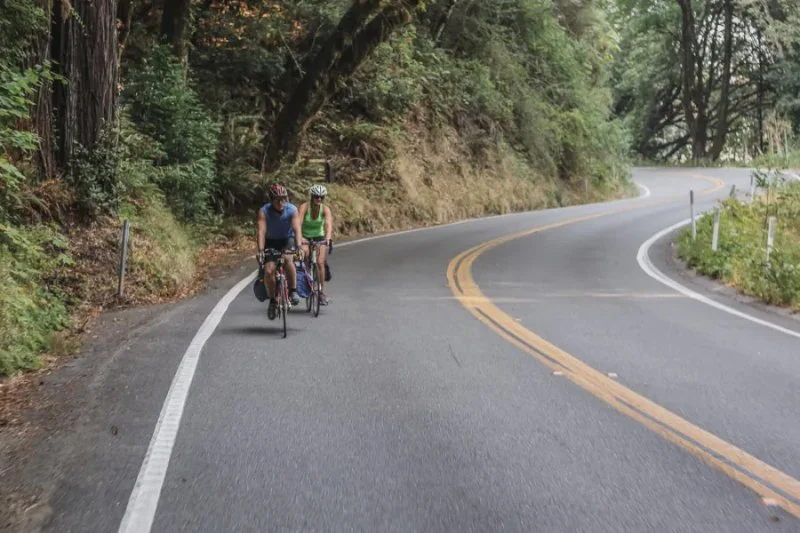
The Pacific Coast Highway has long been regarded as one of the most visually stunning road cycling corridors in the United States, drawing riders from all over the world who are searching for both challenge and beauty. When discussing the Best Bike Touring Routes in the Pacific Coast Highway, it is impossible not to first understand the emotional impact this coastline delivers. The road winds through cliffs that drop dramatically into the Pacific Ocean, offering uninterrupted views of crashing waves, misty mornings, and sunsets that feel almost unreal in their intensity.
Cyclists often describe the experience as a moving meditation. Unlike urban cycling routes, where traffic and noise dominate, the Pacific Coast Highway provides long stretches where the sound of the ocean replaces the noise of daily life. Riders frequently report a sense of mental clarity after just a few days on the route, as if the landscape itself is guiding their rhythm. This psychological effect is one reason why this highway remains one of the most sought-after destinations for long-distance touring enthusiasts.
Another defining feature of this route is its variability. Riders encounter dense coastal forests, open beaches, small artistic towns, and rugged cliffs all within a single day of cycling. This constant change in scenery ensures that even seasoned cyclists remain engaged and inspired throughout the journey. The Pacific Coast Highway is not just a route—it is an evolving experience shaped by geography, weather, and personal endurance.
How to Plan Long Distance Coastal Bike Touring Routes
Planning a journey along the Pacific Coast Highway requires more than simply choosing a starting and ending point. Riders aiming to explore the Best Bike Touring Routes in the Pacific Coast Highway must carefully consider elevation changes, wind direction, seasonal weather patterns, and daily mileage goals. Unlike flat inland cycling paths, this coastal route constantly shifts in difficulty due to cliffs, rolling hills, and unpredictable coastal winds.
A well-structured itinerary often divides the journey into manageable segments of 60 to 90 miles per day, depending on fitness level. However, experienced cyclists sometimes intentionally reduce mileage in regions like Big Sur to fully enjoy the scenery. Planning is not just about endurance; it is also about appreciation. Riders who rush through the route often miss the subtle beauty of hidden coves, roadside viewpoints, and small cafés that define the cultural rhythm of the coast.
Many long-distance cyclists also incorporate rest days in towns such as Monterey or Santa Barbara. These pauses are not just for recovery but also for equipment maintenance and mental reset. Without proper planning, even the most experienced cyclists can find themselves fatigued by the cumulative effects of wind resistance and elevation gain. Thoughtful preparation transforms the journey from a physical challenge into a meaningful exploration of the California coastline.
Northern California Coastal Cycling Sections
The northern portion of the Pacific Coast Highway introduces riders to cooler climates and dense coastal fog that rolls in unpredictably from the ocean. This section is often the starting point for those attempting the Best Bike Touring Routes in the Pacific Coast Highway from the north heading south. The environment is quieter, less populated, and more reflective, making it ideal for cyclists who prefer solitude in the early stages of their journey.
Riders passing through this region often encounter towering redwood forests just inland from the coast, creating a unique contrast between ocean and ancient woodland. The road conditions here can be challenging due to narrow shoulders and occasional steep climbs, but the reward is a deeply immersive natural experience. Wildlife sightings, including deer and coastal birds, are common and add to the sense of connection with nature.
One of the most memorable aspects of cycling through Northern California is the gradual transition from mist-covered mornings to bright, sunlit afternoons. This natural progression gives riders a sense of movement not just across space, but through changing environmental moods. It is a region that rewards patience and attentiveness, setting the tone for the more dramatic landscapes further south.
The Legendary Big Sur Cycling Journey
Big Sur is often considered the crown jewel of the Best Bike Touring Routes in the Pacific Coast Highway. This stretch of highway is where the cliffs become steeper, the ocean views more dramatic, and the emotional impact of the ride reaches its peak. Cyclists frequently describe this section as both physically demanding and spiritually uplifting.
The climbs in Big Sur are long and sustained, requiring careful pacing and energy management. However, each climb is rewarded with breathtaking viewpoints where riders can pause and take in sweeping panoramas of the Pacific Ocean stretching endlessly into the horizon. These moments often become defining memories of the entire journey.
One well-known story among the cycling community involves a group of riders who initially underestimated this section and attempted to complete it in a single day. Exhaustion forced them to stop frequently, but those unplanned breaks led to unexpected discoveries—hidden waterfalls, quiet beaches, and conversations with fellow travelers. This illustrates how Big Sur rewards flexibility rather than rigid planning.
Cultural Stops and Hidden Towns Along the Route
Between the major scenic highlights, the Central Coast offers a collection of small towns that enrich the cycling experience. These communities provide rest, nourishment, and cultural immersion for those exploring the Best Bike Touring Routes in the Pacific Coast Highway. Towns such as Cambria and San Luis Obispo are known for their welcoming atmosphere and cyclist-friendly amenities.
These stops are not merely logistical necessities; they are opportunities to engage with local life. Many cyclists find themselves extending their stays after discovering local bakeries, art galleries, or farmer’s markets. The pace of life in these towns contrasts sharply with the physical intensity of the ride, creating a balanced rhythm throughout the journey.
There is also a strong sense of community among travelers along this route. It is common for cyclists to share tips, repair advice, and route recommendations while staying in the same accommodations. This informal network of support enhances the overall touring experience and often leads to lasting friendships formed on the road.
Southern California Coastal Riding Experience
As cyclists move into Southern California, the landscape gradually transforms into warmer climates, wider roads, and more urban coastal environments. This final stretch of the Best Bike Touring Routes in the Pacific Coast Highway presents a different kind of energy, blending beach culture with city life.
The roads become busier, but the ocean remains a constant companion on the horizon. Riders pass through iconic beach towns where surfing culture dominates the atmosphere. This section is less about isolation and more about integration with coastal urban life, offering a contrast to the solitude of the northern sections.
Many cyclists choose to end their journey in Los Angeles or nearby coastal areas, marking the completion of a long and transformative ride. The sense of accomplishment at this stage is often accompanied by reflection on the diversity of landscapes experienced throughout the journey.
Physical and Mental Preparation for Long Tours
Preparing for the Pacific Coast Highway requires both physical conditioning and mental resilience. Riders planning to tackle the Best Bike Touring Routes in the Pacific Coast Highway should focus on endurance training, hill climbing strength, and long-distance saddle comfort adaptation. Training rides that simulate elevation gain are particularly important due to the constant climbs along the route.
Equally important is mental preparation. Long-distance cycling often involves solitude, unpredictable weather, and physical fatigue. Riders who succeed on this route typically develop strong mental pacing strategies, learning when to push forward and when to rest. This balance is essential for maintaining consistency over multiple days of riding.
Nutrition and hydration strategies also play a key role. Proper planning ensures sustained energy levels and reduces the risk of exhaustion during long climbs. Many experienced cyclists recommend practicing full-day rides before attempting the full coastal journey.
Weather, Safety, and Road Conditions Strategy
Weather conditions along the Pacific Coast Highway can change rapidly, especially in coastal fog zones and exposed cliff areas. Cyclists exploring the Best Bike Touring Routes in the Pacific Coast Highway must remain aware of wind direction, temperature shifts, and visibility changes. Morning fog can significantly reduce visibility, while afternoon winds may create additional resistance during climbs.
Safety is another crucial consideration. While the route is popular among cyclists, certain sections have narrow shoulders and limited space between traffic and cliffs. Wearing visible gear, maintaining predictable riding behavior, and planning stops in safe pull-off areas are essential practices.
Road conditions vary by region, with some stretches offering smooth pavement and others presenting uneven surfaces due to erosion or maintenance work. Flexibility in route timing helps cyclists avoid unnecessary risk while maximizing enjoyment of the scenery.
Real Rider Experiences and Touring Stories
Stories from riders who have completed the Pacific Coast Highway often highlight the unpredictability and emotional depth of the journey. One cyclist described meeting another traveler during a rainstorm near Big Sur, leading to an impromptu shared ride and overnight camp. These spontaneous interactions are common along the route and contribute to its reputation as a transformative cycling experience.
Another widely shared story involves a solo cyclist who initially planned a fast-paced ride but slowed down significantly after encountering challenging winds. Instead of viewing this as a setback, the rider embraced the slower pace and discovered a deeper appreciation for the landscape. This shift in mindset is frequently reported among those who complete the Best Bike Touring Routes in the Pacific Coast Highway.
Such experiences emphasize that success on this route is not defined by speed but by engagement with the environment and openness to unexpected moments.
Gear Guidance and Cycling Guider Recommendations
Selecting the right equipment is essential for a successful journey along the Pacific Coast Highway. Cyclists should prioritize durable touring bikes, weather-resistant clothing, and reliable navigation tools. Given the length and variability of the route, comfort becomes as important as performance.
Many riders turn to expert resources such as Cycling Guider for tailored advice, route planning insights, and gear recommendations suited specifically for long-distance coastal touring. Whether selecting saddlebags, planning daily mileage, or choosing repair kits, having access to specialized guidance can significantly improve the overall experience.
Proper gear selection not only enhances comfort but also increases safety and efficiency throughout the ride. Small decisions, such as tire width or clothing layering, can make a significant difference over hundreds of miles of coastal cycling.




 Deco Bike3.0 (9 reviews)
 Bespoke Cyclery4.0 (45 reviews)
 Kreb Cycle Eastport4.0 (56 reviews)
 MOTOKING BMX0.0 (0 reviews)
 Xmile Ebike2.0 (5 reviews)
 Mr. C’s Cycles4.0 (225 reviews)
 How to Teach Kids to Ride a Bike: A Step-by-Step Guide for Parents
 Tips for Riding on Busy City Streets: Smart Strategies for Urban Cyclists
 Best US National Parks for Mountain Biking: Ride Epic Trails Across America
 Best Aero Helmets for Time Trials and Racing
 How to Clean and Lubricate Your Bike Chain Like a Pro
 10 Must-Have Items for Long-Distance Cycling Trips