
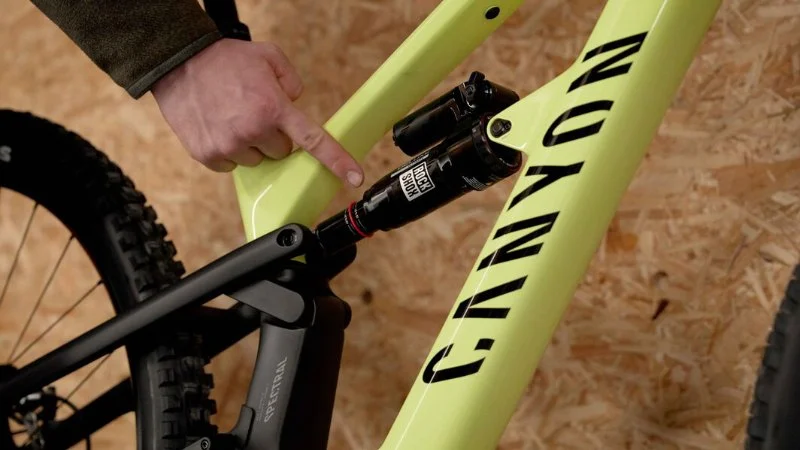
- preload-basics-understanding-sag-and-spring-response-Preload basics - sag setting - spring behavior
- compression-control-how-suspension-reacts-to-impact-Compression control - bump absorption - terrain response
- rebound-speed-management-how-the-bike-recovers-Rebound tuning - wheel return speed - traction control
- real-world-mtb-suspension-tuning-examples-Trail setup stories - rider feedback - terrain adaptation
- common-mistakes-and-performance-fixes-MTB tuning errors - correction methods - ride improvement tips
Riding Feel Starts Before the Trail Even Begins
Most riders think MTB performance depends on tires, brakes, or fitness. In reality, a huge part of control comes from something less visible: suspension tuning. When preload, compression, and rebound are dialed in correctly, the bike feels like it “disappears” under you—absorbing hits, staying stable, and keeping traction where it matters.
This guide breaks down how to adjust suspension preload, compression, and rebound on MTB in a way that makes sense even if you’re not a suspension engineer. The goal isn’t theory—it’s helping your bike feel better on real trails, whether you're riding flowy singletrack or rocky descents.
Preload Basics: Setting the Foundation for Suspension Feel
What Preload Actually Does on an MTB
Preload is the first adjustment most riders overlook. It doesn’t change suspension stiffness in a dramatic way; instead, it sets the initial tension on the spring. On coil forks or shocks, preload slightly compresses the spring before you even sit on the bike. On air systems, similar “feel adjustment” is achieved through air pressure rather than a physical dial.
When preload is correct, the bike settles into proper sag—usually 20–30% of total travel for trail riding. Too much preload makes the ride harsh. Too little causes excessive bobbing and poor control when climbing or braking.
Real Riding Example: The “Bouncy Climber” Problem
A rider once described their bike as “a trampoline on climbs.” The issue wasn’t fitness—it was preload being too loose. After adjusting sag properly, traction improved immediately, especially on steep fire roads where the rear wheel used to skip. This is one of the most common fixes in MTB suspension setup.
Compression Control: Managing How the Bike Absorbs Impact
Low-Speed vs High-Speed Compression Explained
Compression controls how the suspension reacts when it is being pushed inward. Low-speed compression deals with slow inputs like pedaling, cornering, and braking forces. High-speed compression responds to sudden impacts like rocks, roots, and drops.
Too much compression damping creates a harsh ride where the bike feels rigid. Too little makes it dive under braking and bottom out easily. The key is balance based on terrain style.
Trail Adaptation: Why One Setting Never Fits All
On smooth flow trails, lighter compression allows the suspension to stay active and maintain speed through corners. On technical downhill sections, slightly firmer compression prevents excessive dive and keeps geometry stable.
This is why experienced riders often adjust compression before big rides. Even small turns of a dial can dramatically change how confident the bike feels at speed.
Practical Insight from Real Riders
In group rides, it’s common to see beginners struggling on rocky descents while others float over them smoothly. The difference is rarely skill alone—it’s compression tuning. A properly set suspension keeps the wheels tracking the ground instead of bouncing off it, improving both speed and safety.
Rebound Speed: The Hidden Key to Control and Traction
What Rebound Actually Controls
Rebound determines how quickly your suspension returns after being compressed. If it returns too fast, the bike feels “bouncy” and unstable. If it returns too slowly, the suspension packs down and loses travel over repeated hits.
Getting rebound right is essential for maintaining tire contact with the ground, especially on rough trails where consistent traction matters more than anything else.
Finding the Sweet Spot on the Trail
A simple test is riding a rocky section at moderate speed. If the bike feels like it’s skipping across surfaces, rebound is too fast. If it feels sluggish or bottoms out after multiple hits, it’s too slow. The correct setting allows the suspension to recover smoothly without noticeable delay or bounce.
Case Story: The “Lost Traction Corner” Fix
One rider struggled with sliding out in loose corners. After slowing rear shock rebound slightly, the rear wheel stayed planted longer during transitions. This improved corner exit speed and reduced unwanted drift. Small tuning changes like this often have bigger effects than expected.
Combining Preload, Compression, and Rebound for Full MTB Balance
Why These Settings Work Together
Suspension tuning is not about adjusting one setting in isolation. Preload sets ride height, compression controls resistance under load, and rebound governs recovery speed. When all three are balanced, the bike behaves predictably across different terrain types.
For example, increasing compression without adjusting rebound can create a stiff but unstable ride. Similarly, changing preload without rechecking sag can throw off the entire suspension geometry.
Trail Scenario Breakdown
On a technical trail with roots, rocks, and short climbs, a balanced setup would include moderate sag, medium compression, and rebound tuned just slow enough to maintain traction without packing down. On smoother cross-country trails, lighter compression and slightly faster rebound can improve speed and responsiveness.
Common MTB Suspension Mistakes and How to Fix Them
Over-Adjusting Without Testing
One of the biggest mistakes riders make is turning multiple dials at once. This makes it impossible to understand what actually improved or worsened performance. The correct method is to adjust one setting, test on the same section of trail, then evaluate.
Ignoring Rider Weight and Riding Style
Factory settings are only starting points. Rider weight, riding aggressiveness, and terrain type all influence ideal suspension setup. A downhill-focused rider will need different damping compared to a casual trail rider.
Skipping Regular Re-Tuning
Suspension settings should evolve with conditions. A bike tuned for dry summer trails will behave differently in wet or muddy environments. Seasonal tuning is often overlooked but significantly improves consistency.
How Real Riders Dial In Their MTB Setup Over Time
Progressive Adjustment Approach
Experienced riders rarely find perfect settings immediately. Instead, they start with manufacturer recommendations, then adjust gradually after each ride. Over time, this builds a personalized setup that matches their exact riding style.
This approach is especially useful on unfamiliar terrain where conditions change frequently. Small incremental adjustments help maintain control without overcompensating.
Community Insight: Learning Through Shared Trails
Many mountain bike communities share suspension settings before group rides. Riders often compare how their bikes behave on the same trail and adjust accordingly. This real-world feedback loop is one of the fastest ways to improve tuning knowledge.
Building Confidence Through Proper Suspension Setup
A well-tuned MTB suspension doesn’t just improve performance—it changes how confident a rider feels. Instead of reacting to terrain, the bike starts working with it. Rocks feel smaller, corners feel more stable, and long descents become less fatiguing.
Riders who consistently refine their setup often notice they ride faster without trying harder. That’s the real value of understanding how to adjust suspension preload, compression, and rebound on MTB: it transforms the riding experience from reactive to controlled.
For riders looking to go deeper into performance tuning, advanced guides and setup tools are available through Cycling Guider, where detailed suspension breakdowns and riding optimization resources help riders fine-tune every aspect of their bike setup.



 Trek Bicycle Tampa South4.0 (547 reviews)
 Juvee Hall Longwood5.0 (29 reviews)
 The Bicycle Doctor4.0 (193 reviews)
 ERIK'S - Bike Board Ski4.0 (323 reviews)
 The Cargo Bike Shop5.0 (26 reviews)
 Kyle Cyclery4.0 (122 reviews)
 How to Teach Kids to Ride a Bike: A Step-by-Step Guide for Parents
 Tips for Riding on Busy City Streets: Smart Strategies for Urban Cyclists
 Best US National Parks for Mountain Biking: Ride Epic Trails Across America
 Best Aero Helmets for Time Trials and Racing
 How to Clean and Lubricate Your Bike Chain Like a Pro
 10 Must-Have Items for Long-Distance Cycling Trips