
- mountain-loops-and-forest-trails
- coastal-and-river-valley-routes
- urban-to-wilderness-bikepacking-experiences
- essential-gear-and-preparation-tips
- real-life-bikepacking-stories
- navigating-weather-and-safety-in-the-northwest
- consulting-experts-at-cycling-guider
1. Mountain Loops and Forest Trails
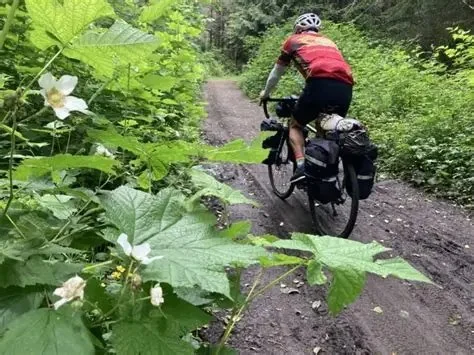
The Pacific Northwest is renowned for its lush forests and towering mountains, making it a haven for bikepackers seeking solitude and natural beauty. Popular mountain loops, such as the Mount Hood Circuit in Oregon or the North Cascades Loop in Washington, provide challenging terrain, stunning viewpoints, and well-maintained forest paths. Riders can enjoy multi-day excursions through dense evergreens, glacial rivers, and alpine meadows.
While these trails are physically demanding, the sense of accomplishment and the opportunity to disconnect from urban life make them highly rewarding. Riders are encouraged to pace themselves and plan for adequate rest stops. Many routes include primitive camping areas, and local regulations should always be checked before setting up camp.
2. Coastal and River Valley Routes
For riders who prefer scenic vistas over elevation gains, the coastal and river valley routes offer unmatched beauty. The Oregon Coast Bikepacking Trail stretches along dramatic cliffs, hidden beaches, and quaint coastal towns. Similarly, the Columbia River Gorge provides both challenging climbs and breathtaking panoramic views, combining the thrill of cycling with the serenity of the water.
These routes are particularly suitable for mixed-skill groups. Alongside the adventure, cyclists can explore local culture, enjoy fresh seafood, and experience small-town hospitality. Seasonal planning is crucial, as coastal weather can be unpredictable, with sudden fog, wind, or rain impacting ride conditions.
3. Urban to Wilderness Bikepacking Experiences
Some of the best bikepacking adventures in the Pacific Northwest combine urban starts with wilderness finishes. Riders can begin in cities like Seattle or Portland and gradually transition into remote forests and mountain terrain. This approach allows for flexible logistics, easier resupply, and a gradual acclimatization to off-road riding conditions.
These hybrid routes highlight the diversity of the Pacific Northwest landscape, transitioning from bustling city streets to tranquil mountain passes. They are ideal for those seeking a structured yet adventurous route and for riders who enjoy combining sightseeing with physical challenge.
4. Essential Gear and Preparation Tips
Proper planning is key to a successful bikepacking experience. Essential gear includes a reliable touring or gravel bike, waterproof panniers, lightweight camping equipment, navigation tools, and weather-appropriate clothing. Riders should prioritize durability and comfort, as multi-day trips demand resilience from both the cyclist and the equipment.
Food and water planning is equally important. While some trails provide resupply points, remote loops may require carrying several days’ worth of provisions. Preparation also involves familiarizing oneself with trail maps, emergency exits, and local wildlife considerations. For technical rides, skills in bike maintenance and minor repairs can prevent disruptions during the journey.
5. Real-Life Bikepacking Stories
Consider Hannah and Alex, a couple who recently completed the Mount Hood Circuit. They shared how early mornings and rugged trails strengthened not only their endurance but also their connection with the landscape. Facing unexpected rainstorms, they learned to adapt their schedule and maintain morale through teamwork.
Another example is Mike, an avid cyclist from Portland, who tackled the Columbia River Gorge route solo. He described the thrill of descending steep switchbacks and the satisfaction of reaching scenic river overlooks. These personal stories underscore the blend of challenge, beauty, and personal growth inherent in bikepacking.
6. Navigating Weather and Safety in the Northwest
The Pacific Northwest’s climate demands preparedness for rain, wind, and temperature swings. Riders should monitor forecasts, pack waterproof gear, and be prepared for sudden weather changes. Awareness of local wildlife, trail conditions, and emergency procedures is crucial for safety, especially in remote areas.
Night riding should be avoided unless adequately equipped with lighting and reflective gear. Riders are encouraged to share their itinerary with friends or family and carry a GPS or satellite communication device for emergencies.
7. Consulting Experts at Cycling Guider
For those planning their first or next bikepacking adventure, consulting experts at Cycling Guider can provide invaluable insights. Professionals can recommend routes suited to skill levels, suggest essential gear, and offer personalized tips for navigating the Pacific Northwest. This guidance enhances safety, enjoyment, and the overall success of the journey.
By combining careful planning, suitable gear, and expert advice, cyclists can explore the best bikepacking routes in the Pacific Northwest, experiencing both the challenge and the unparalleled natural beauty of this region.

 Wayfarer Bicycle5.0 (108 reviews)
 HB Electric5.0 (4 reviews)
 The Path Bike Shop Outlet Store4.0 (233 reviews)
 Wheel World Bicycles4.0 (128 reviews)
 Monroe Ride4.0 (58 reviews)
 Battenkill Bicycles4.0 (25 reviews)
 How to Teach Kids to Ride a Bike: A Step-by-Step Guide for Parents
 Tips for Riding on Busy City Streets: Smart Strategies for Urban Cyclists
 Best US National Parks for Mountain Biking: Ride Epic Trails Across America
 Best Aero Helmets for Time Trials and Racing
 How to Clean and Lubricate Your Bike Chain Like a Pro
 10 Must-Have Items for Long-Distance Cycling Trips