
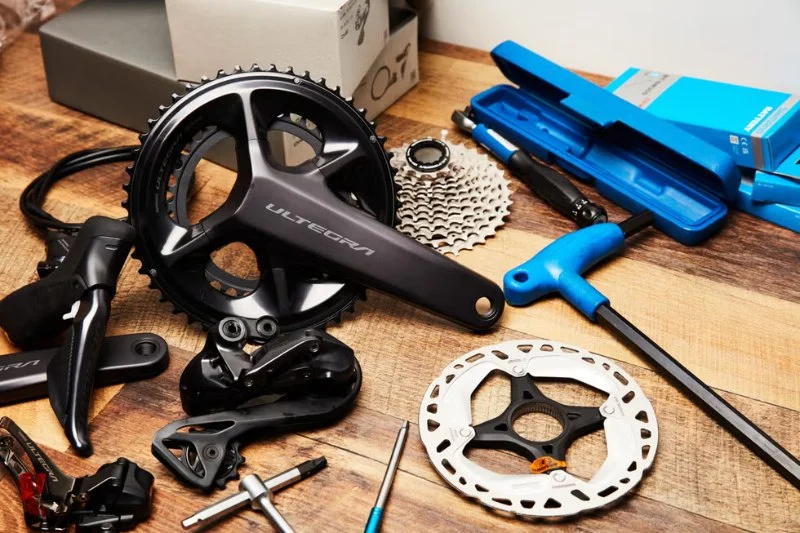
- bike-upgrade-strategy-basics - how to identify what actually improves performance
- cost-vs-performance-analysis - avoiding unnecessary cycling parts that don’t add value
- high-impact-bike-components - upgrades that genuinely change riding experience
- real-world-rider-case-studies - lessons from cyclists who wasted money before upgrading smartly
- smart-shopping-cycling-guide - how to choose gear through Cycling Guider recommendations
Why Most Riders Waste Money When Upgrading Their Bike
It usually starts with excitement. A rider buys a new bike and immediately starts thinking about upgrades—lighter pedals, carbon accessories, flashy components. But the truth behind how to upgrade a bike is simple: not every part makes you faster, more comfortable, or more efficient.
Many cyclists in the U.S. cycling community admit they’ve spent hundreds of dollars on upgrades that made almost no noticeable difference. The issue isn’t passion—it’s lack of strategy. Bike upgrades only make sense when they solve a real problem or improve a measurable performance factor.
Understanding What Actually Impacts Cycling Performance
1. The Three Core Performance Factors
Before buying anything, it’s important to understand what actually affects riding performance: power transfer, comfort, and aerodynamics. Everything else is secondary.
When riders focus on cycling performance upgrades, they often discover that small changes in the right areas outperform expensive cosmetic upgrades.
2. Why Weight Savings Are Overrated for Most Riders
A common misconception is that lighter always equals faster. In reality, saving 200 grams on pedals or handlebars makes almost no difference for casual and intermediate riders.
Professional cyclists may benefit from marginal gains, but for everyday riders, fitness and positioning matter far more than shaving grams off components.
3. The Hidden Cost of “Aesthetic Upgrades”
Color-matched components, carbon bottle cages, and flashy accessories often fall into the category of unnecessary spending. They look good but rarely improve performance or comfort.
Many riders only realize this after upgrading multiple small parts and noticing no real change in ride quality.
High-Impact Upgrades That Actually Make a Difference
1. Tires: The Most Underrated Upgrade
If there is one upgrade that consistently delivers results, it is tires. Better tires improve grip, rolling resistance, and comfort instantly.
Switching from budget tires to performance-focused ones can feel like getting a new bike entirely. This is often the first recommendation from experienced cyclists on Cycling Guider.
2. Contact Points: Saddle, Grips, and Pedals
Your interaction with the bike happens through contact points. Upgrading these improves comfort and reduces fatigue significantly.
A properly fitted saddle or ergonomic grips can transform long rides, especially for commuters or endurance cyclists.
3. Drivetrain Maintenance Over Replacement
Instead of replacing drivetrain components prematurely, proper cleaning and lubrication often restore performance at a fraction of the cost.
Many riders mistakenly replace chains or cassettes when maintenance would have solved the issue entirely.
4. Wheels: When Upgrading Actually Matters
Wheel upgrades can significantly affect speed and handling, but only when matched to riding style. Aerodynamic wheels benefit road riders, while durable wheels matter more for commuters or gravel cyclists.
This is one of the few areas where investment can produce noticeable real-world improvement.
Real Rider Story: The $600 Mistake
A cyclist from California shared a common story in the biking community. After buying his first road bike, he immediately spent over $600 upgrading small components—pedals, stem, bottle cages, and a lightweight seatpost.
After months of riding, he realized his speed and comfort hadn’t changed. Frustrated, he later visited a local cycling shop and received advice that completely changed his approach.
Instead of continuing to upgrade randomly, he invested in better tires, professional bike fit adjustments, and improved maintenance tools. The difference was immediate: smoother rides, better endurance, and improved speed without extra effort.
Cost vs Value: Learning to Think Like a Smart Cyclist
1. The “Performance Per Dollar” Mindset
Every upgrade should be measured by one question: how much performance improvement does this give per dollar spent? This mindset prevents emotional buying decisions.
2. Avoiding Marketing Traps in Cycling Gear
Brands often market marginal improvements as essential upgrades. While innovation exists, not every new product is necessary for everyday riders.
3. When Cycling Guider Becomes Useful
Platforms like Cycling Guider help riders identify meaningful upgrades instead of impulse purchases. By comparing real-world performance data and user feedback, cyclists can avoid unnecessary spending and focus on meaningful improvements.
Common Upgrade Mistakes Cyclists Make
1. Upgrading Before Understanding the Bike
Many beginners start upgrading before fully understanding their bike’s baseline performance. This leads to wasted money and minimal improvement.
2. Copying Pro Cyclist Setups
Professional setups are designed for elite performance and specific conditions. Copying them without context often leads to discomfort and inefficiency.
3. Ignoring Fit and Position
Bike fit is more important than almost any hardware upgrade. Poor positioning can negate even the most expensive components.
How to Build a Smart Upgrade Plan
1. Start With Problems, Not Products
Instead of asking what to buy, start by identifying what feels wrong: discomfort, slow acceleration, poor grip, or inefficient pedaling.
2. Upgrade One Area at a Time
Changing multiple components at once makes it impossible to understand what actually improved your ride.
3. Track Results After Each Change
Even simple notes about ride comfort or speed can help evaluate whether an upgrade was worthwhile.
Why Smart Upgrading Always Wins Long-Term
Cycling should feel rewarding, not financially draining. Riders who take a structured approach to bike upgrade tips end up with better-performing bikes and fewer regrets.
Instead of chasing every new component, focusing on meaningful improvements leads to a smoother, faster, and more enjoyable riding experience over time.


 Bicycle Makeover5.0 (1 reviews)
 Motor City Bicycle-Livonia4.0 (123 reviews)
 Tuckahoe Bike Shop Northfield4.0 (47 reviews)
 Matawan Bike Shop4.0 (168 reviews)
 RideTHISbike4.0 (66 reviews)
 Hector and Milena Bike Shop4.0 (168 reviews)
 How to Teach Kids to Ride a Bike: A Step-by-Step Guide for Parents
 Tips for Riding on Busy City Streets: Smart Strategies for Urban Cyclists
 Best US National Parks for Mountain Biking: Ride Epic Trails Across America
 Best Aero Helmets for Time Trials and Racing
 How to Clean and Lubricate Your Bike Chain Like a Pro
 10 Must-Have Items for Long-Distance Cycling Trips