
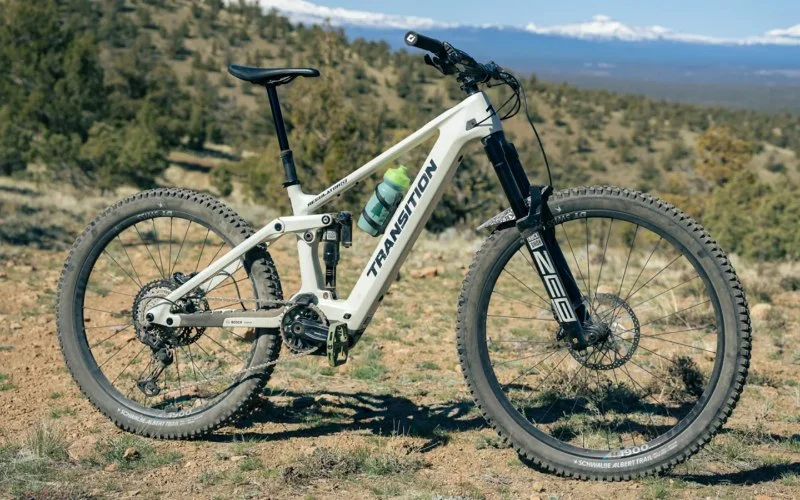
- understanding-headset-issues - identifying looseness and steering problems
- diy-tightening-process - step-by-step home adjustment method
- safety-checks-after-repair - ensuring stable and safe riding
- common-mistakes-bike-repair - what to avoid during adjustments
- real-world-cycling-case - rider experience fixing headset issues
Why a Loose Headset Should Never Be Ignored
A loose headset is one of those cycling problems that starts small but can quickly turn into a serious safety issue. Riders often notice a slight wobble in the handlebars or a clicking sound when braking. These are early warning signs of steering instability that should never be ignored.
In cycling communities like Cycling Guider, experienced riders often say that headset issues are among the most overlooked maintenance problems—until they become dangerous.
Understanding What a Bike Headset Actually Does
The Role of the Headset in Steering Control
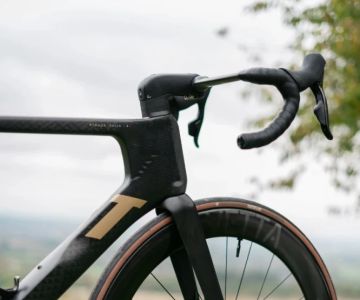
The headset is the system of bearings that allows your fork and handlebars to rotate smoothly. When it becomes loose, your steering loses precision, making the bike feel unstable especially at higher speeds or during descents.
Signs You Are Dealing with a Loose Headset
Before learning how to fix loose headset issues, it is important to recognize the symptoms. Common signs include front-end wobble, knocking noises when riding over bumps, or a feeling that the handlebars shift slightly when braking.
Why Riders Often Miss the Early Warning Signs
Many cyclists mistake headset looseness for tire issues or general bike wear. Because the problem develops gradually, it is often ignored until it becomes severe enough to affect control.
How to Fix Loose Headsets Without a Mechanic
Step 1: Basic Safety Positioning
Start by placing your bike on a stable surface. Make sure the front wheel is aligned straight. This ensures that any adjustments you make are accurate and do not introduce new alignment issues.
Step 2: Checking the Stem Bolts
Most bicycle headset adjustment procedures begin with inspecting the stem bolts. Looseness often comes from uneven tension in these bolts. Slightly loosening and then retightening them can sometimes solve minor instability.
Step 3: Adjusting the Top Cap
The top cap bolt plays a key role in tightening the headset bearings. Turning it clockwise gradually removes play in the steering system. The key is balance—too tight and the steering becomes stiff, too loose and instability remains.
Step 4: Aligning and Re-Tightening the Stem
Once the headset tension is adjusted, the stem bolts must be tightened evenly. This ensures that the handlebars remain aligned with the front wheel under pressure.
Safety Checks After Fixing a Loose Headset
Testing Steering Smoothness
After adjustments, gently lift the front wheel and turn the handlebars side to side. Movement should feel smooth without resistance or knocking sounds.
Front Brake Rock Test
Apply the front brake and rock the bike forward and backward. If you feel any clicking or movement in the headset, further adjustment may be needed.
Short Test Ride Evaluation
A slow test ride in a safe area helps confirm whether the repair was successful. Pay attention to stability during turns and braking.
Common Mistakes When Fixing Bike Steering Issues
Over-Tightening the Headset
One of the most common errors in DIY bike repair is tightening the headset too much. This can damage bearings and make steering feel heavy and unresponsive.
Ignoring Stem Alignment
Even if the headset is tightened correctly, misaligned handlebars can still create unsafe riding conditions.
Skipping Final Safety Checks
Many riders fix the issue mechanically but forget to test the bike under real riding conditions, which is where hidden problems often appear.
A Real Cycling Story: When a Small Wobble Became a Big Lesson
The Initial Ride Problem
A commuter cyclist once noticed a faint shaking in the handlebars during morning rides. At first, it was dismissed as road vibration, but the issue gradually worsened over a few weeks.
The Discovery and Fix
After researching cycling maintenance tips, the rider identified a loose headset as the cause. With basic tools and careful adjustments, the issue was corrected at home without visiting a mechanic.
The Lesson Learned
The experience highlighted how small mechanical issues can escalate if ignored. Regular checks could have prevented discomfort and potential safety risks.
Preventing Future Headset Problems
Regular Maintenance Habits
Checking headset tightness every few weeks can prevent long-term wear. Small adjustments early on reduce the need for major repairs later.
Riding Style Awareness
Aggressive riding, frequent potholes, or off-road use can loosen components faster. Adjusting riding habits can extend headset life.
Using Quality Components
Higher-quality headset bearings and stems tend to maintain stability longer, reducing the frequency of adjustments.
When to Seek Professional Help Instead
While many cases of loose headset issues can be fixed at home, severe wear, damaged bearings, or persistent instability may require professional servicing. Cycling Guider often recommends mechanics when steering issues persist after multiple adjustments.


 StarSpan CyCling4.0 (11 reviews)
 Rock N Road Cyclery Anaheim4.0 (130 reviews)
 Phoenix Produce Co3.0 (15 reviews)
 Big Cat Electric Bikes4.0 (154 reviews)
 Fat Tire Cycles - Corrales4.0 (57 reviews)
 Pure Energy Cycling & Java House4.0 (80 reviews)
 How to Teach Kids to Ride a Bike: A Step-by-Step Guide for Parents
 Tips for Riding on Busy City Streets: Smart Strategies for Urban Cyclists
 Best US National Parks for Mountain Biking: Ride Epic Trails Across America
 Best Aero Helmets for Time Trials and Racing
 How to Clean and Lubricate Your Bike Chain Like a Pro
 10 Must-Have Items for Long-Distance Cycling Trips