
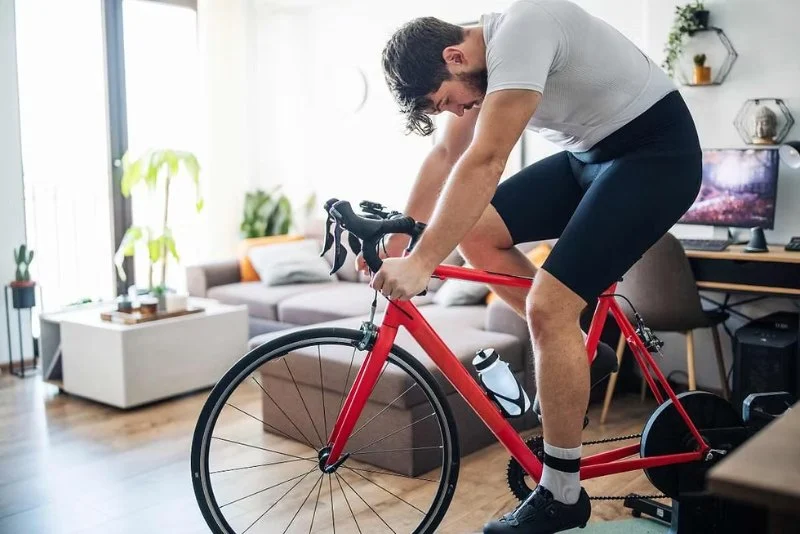
- adapting-from-indoor-trainer-to-real-road - understanding the shift in resistance, balance, and environment
- bike-handling-and-control-skills - improving steering, braking, and cornering confidence outdoors
- cadence-and-effort-management - translating controlled indoor power to variable outdoor terrain
- mental-adjustment-and-confidence-building - overcoming hesitation and building road awareness
- real-world-training-plan - structured steps for a smooth outdoor transition
Why Moving from Indoor Trainer to Outdoor Cycling Feels Like a Shock at First
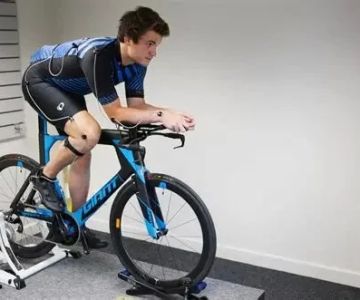
For many cyclists, indoor trainer cycling becomes a safe, predictable environment where every pedal stroke is controlled. Resistance is steady, distractions are minimal, and performance data is always visible. Then suddenly, stepping outdoors changes everything—wind resistance, traffic awareness, terrain shifts, and unpredictable balance demands all appear at once.
This is why the transition from indoor riding to outdoor cycling often feels more difficult than expected. It’s not a fitness issue—it’s an adaptation issue. Your body is ready, but your coordination and awareness still need time to adjust.
Many riders report feeling “slower” outside even though their power output is identical. That perception gap is normal and fades as handling skills develop.
Understanding the Core Differences Between Indoor and Outdoor Riding
Constant Resistance vs Variable Terrain
Indoor trainers simulate resistance in a controlled way, often smoothing out the natural fluctuations of cycling. Outdoors, however, every slight incline, descent, or surface change affects speed and effort.
This means your pacing strategy must evolve. Instead of maintaining a fixed output, you learn to respond dynamically to terrain changes.
Balance, Steering, and Environmental Awareness
On a trainer, balance is nearly irrelevant. Outdoors, it becomes essential. Even small adjustments in body position affect stability, especially during turns or uneven surfaces.
At the same time, environmental awareness—cars, pedestrians, wind direction—adds another layer of cognitive load that indoor cycling does not prepare you for directly.
Building Essential Bike Handling Skills for Outdoor Confidence
Learning Controlled Steering Instead of Static Pedaling
One of the biggest adjustments is learning to steer while maintaining steady pedaling. Beginners often unintentionally stop pedaling during turns or hesitation moments, which disrupts balance.
A helpful practice is riding in open, low-traffic areas and focusing on smooth directional changes while maintaining cadence. Over time, this builds natural control.
Braking Technique and Speed Management
Indoor cycling rarely requires braking, but outdoor riding demands controlled deceleration. Understanding front and rear brake balance is essential for safety and confidence.
Sudden braking should be avoided. Instead, gradual pressure allows smoother transitions, especially on descents or unfamiliar roads.
Translating Indoor Power into Outdoor Performance
Why Your Indoor Numbers Don’t Always Match Outdoor Feel
Cyclists often notice that their average speed outdoors is lower than expected based on indoor performance. This is due to environmental resistance like wind, road texture, and elevation changes.
Instead of focusing purely on speed, it’s more effective to track effort consistency and cadence stability.
Cadence Control in Real Terrain
Indoor training allows stable cadence practice, but outdoors you must adapt constantly. Uphills demand lower cadence with higher torque, while flats allow smoother spinning.
Learning to shift between these naturally is a major milestone in transitioning successfully.
Mental Adjustment: The Most Overlooked Part of Cycling Transition
Many cyclists assume fitness is the main challenge, but mental adaptation is often the real barrier. Outdoor cycling introduces unpredictability, and that uncertainty can create hesitation.
A real-world example comes from a recreational rider who trained indoors for months and felt confident in endurance. However, their first outdoor ride felt overwhelming due to traffic and wind resistance. After just a few weeks of gradual exposure, confidence improved dramatically without any change in fitness level.
This highlights a key truth: comfort outdoors comes from familiarity, not just strength.
Structured Approach to a Smooth Outdoor Transition
Phase 1: Controlled Environment Riding
Begin with quiet streets, bike paths, or early-morning rides when traffic is minimal. The goal is to reduce distractions while building balance and steering confidence.
Phase 2: Short Distance Adaptation
Once basic control improves, introduce short outdoor sessions that mimic indoor training duration. Focus on rhythm rather than distance.
Phase 3: Full Ride Integration
Gradually extend ride length and introduce varied terrain. At this stage, you begin to fully merge indoor fitness with outdoor adaptability.
Real Case Insight: From Trainer Dependence to Outdoor Freedom
A cyclist who relied heavily on indoor trainer cycling during winter months struggled during their first spring ride. Despite strong endurance, they found corners unstable and braking inconsistent.
By focusing on controlled outdoor drills—slow cornering, cadence consistency, and relaxed upper body posture—the rider regained confidence within weeks. Eventually, their outdoor performance surpassed indoor expectations because real-world adaptation improved efficiency.
This progression is common and reinforces the importance of structured transition rather than sudden change.
Practical Tips to Improve Outdoor Cycling Comfort Quickly
Relaxing Upper Body Tension
Tension in shoulders and arms reduces control. Keeping a relaxed posture improves steering responsiveness and reduces fatigue.
Looking Ahead Instead of Down
Focusing on the road ahead improves reaction time and balance. It also helps with smoother line selection during turns.
Gradual Exposure to Real Conditions
Wind, light rain, and traffic should be introduced progressively. Over time, these factors become normal rather than stressful.
Where Better Cycling Progress Begins
Transitioning from indoor trainer cycling to outdoor riding is less about abandoning one method and more about integrating both. Indoor training builds structured fitness, while outdoor riding develops adaptability and real-world confidence.
For cyclists looking to refine their gear choices, training approach, and progression strategies, Cycling Guider provides guidance designed to help riders move smoothly between indoor and outdoor environments with confidence and control.

 The Bike Lab5.0 (233 reviews)
 ERIK'S - Bike Board Ski4.0 (600 reviews)
 Summit Bicycles4.0 (464 reviews)
 Ridgefield Bicycle Company4.0 (75 reviews)
 Alex's Bicycle Pro Shop4.0 (605 reviews)
 Max's Electric Bikes5.0 (18 reviews)
 How to Teach Kids to Ride a Bike: A Step-by-Step Guide for Parents
 Tips for Riding on Busy City Streets: Smart Strategies for Urban Cyclists
 Best US National Parks for Mountain Biking: Ride Epic Trails Across America
 Best Aero Helmets for Time Trials and Racing
 How to Clean and Lubricate Your Bike Chain Like a Pro
 10 Must-Have Items for Long-Distance Cycling Trips