
- tire-width-selection-basics - Understanding width choices for stability and speed on gravel roads
- tread-pattern-performance - How tread design affects grip, rolling resistance, and control
- pressure-adjustment-techniques - Finding the right tire pressure for different gravel conditions
- real-world-gravel-riding-scenarios - Practical examples from mixed terrain rides and long-distance routes
- setup-tips-and-maintenance - How to fine-tune and maintain gravel tires for consistent performance
Tire Width for Gravel Riding: Finding the Balance Between Speed and Control
Choosing tire width for gravel riding is not just a technical decision—it often defines the entire riding experience. Riders who switch from road cycling to gravel are usually surprised by how much difference a few millimeters can make. A wider tire typically offers more comfort and traction, while a narrower setup can feel faster but less forgiving on rough surfaces.
Why Width Changes Everything on Gravel Terrain
On loose gravel roads, tire width directly impacts how the bike interacts with unstable surfaces. A wider tire increases the contact patch, which improves stability when riding over loose stones or uneven dirt. However, too wide a tire without proper pressure adjustment can create sluggish handling. Many experienced riders find that the sweet spot often sits between 38mm and 50mm depending on terrain and bike geometry.
A common real-world example comes from riders participating in long mixed-surface events in the Midwest United States. One rider switched from 32mm tires to 42mm tires before a 100-mile gravel event. The result was not just improved comfort but also reduced fatigue, especially in the last third of the ride where vibration absorption became critical.
Matching Width to Riding Style
Fast-paced riders who prefer smoother gravel paths often choose narrower options for speed efficiency, while adventure riders who tackle unpredictable trails lean toward wider setups. The key is not copying others but understanding your terrain profile and riding goals.
For riders looking to experiment but unsure where to start, exploring setups through expert guidance at Cycling Guider can help narrow down tire combinations that match specific riding styles and regional conditions.
Gravel Tread Patterns: How Rubber Design Shapes Your Ride
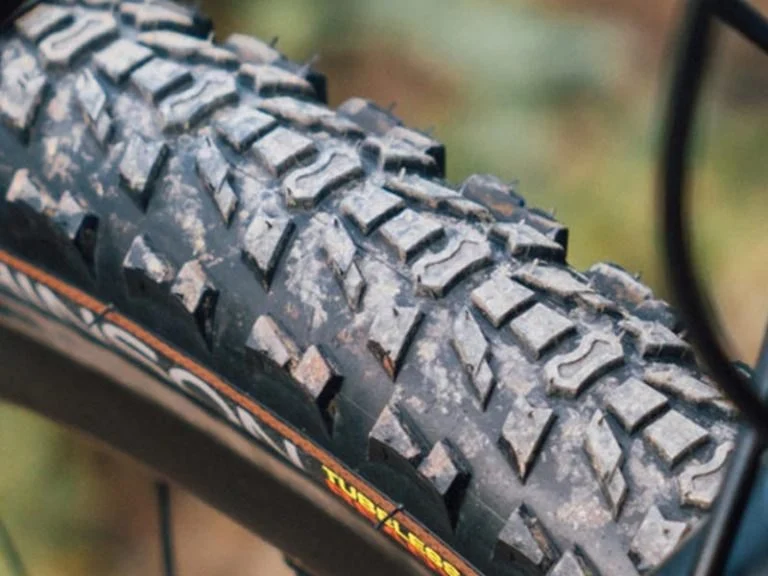
Tread pattern is one of the most misunderstood aspects of gravel tire selection. Many assume deeper knobs automatically mean better grip, but the reality is more nuanced. The interaction between rubber, surface type, and speed plays a much bigger role than appearance alone.
Smooth vs Aggressive Tread Designs
Smoother tread patterns are ideal for compact gravel or mixed road conditions where rolling speed matters. They reduce resistance and allow riders to maintain momentum. On the other hand, aggressive tread patterns excel on loose, muddy, or technical terrain where lateral grip is critical.
A notable example comes from a group ride in Colorado where two cyclists used different tire types on the same route. The rider with semi-slick gravel tires finished faster on hard-packed sections, while the rider with aggressive tread gained confidence and control on steep loose descents. Neither setup was objectively better—they simply served different purposes.
Center vs Shoulder Tread Functionality
Center tread affects straight-line speed, while shoulder knobs provide cornering stability. The balance between these two determines how predictable your bike feels when shifting between surfaces. Riders who frequently transition between pavement and gravel benefit from a hybrid tread design that blends both characteristics.
Tire Pressure Strategy: The Hidden Performance Factor
If width and tread define structure, tire pressure defines behavior. Many gravel riders overlook pressure adjustments, yet it is one of the most influential factors in comfort and performance.
Lower Pressure for Comfort and Grip
Lowering tire pressure increases surface contact and improves shock absorption. This is especially valuable on long gravel rides where fatigue builds from constant vibration. However, going too low can risk pinch flats or rim damage depending on tire setup.
Higher Pressure for Speed Efficiency
Higher pressure reduces rolling resistance and improves responsiveness on smoother gravel or paved segments. The trade-off is reduced comfort and less traction on loose surfaces.
Many experienced riders use pressure calculators as a starting point, then fine-tune based on feel. For example, a rider weighing 75kg might start at 40 PSI but gradually adjust down to 34–36 PSI for rougher terrain after noticing improved control.
Tubeless Advantage in Pressure Optimization
Tubeless gravel tires have become a game-changer because they allow lower pressure without the same risk of pinch flats. This setup enhances grip and comfort significantly, especially on long-distance gravel routes. It also reduces puncture risks from small stones and sharp edges.
Real-World Gravel Riding Scenarios and Tire Choices
Tire selection becomes more meaningful when applied to real riding conditions. Gravel routes vary dramatically, and the best setup often depends on specific terrain combinations rather than general rules.
Scenario One: Long Rural Gravel Roads
On long, smooth gravel stretches found in rural farming regions, riders typically benefit from medium-width tires with semi-slick tread. This setup allows sustained speed without sacrificing too much comfort. Riders often report feeling “faster with less effort” simply by optimizing tire rolling resistance.
Scenario Two: Mixed Forest Trails
Forest trails introduce roots, mud patches, and uneven elevation. Here, wider tires with more aggressive shoulder tread become valuable. Stability in corners and traction on loose soil matter more than pure speed.
Scenario Three: Mountain Gravel Climbs
Climbing steep gravel roads requires predictable traction and efficient power transfer. Riders often reduce pressure slightly and rely on tires with balanced tread patterns to avoid wheel slip during sustained climbs.
Fine-Tuning Setup and Long-Term Tire Maintenance
Even the best tire choice loses effectiveness without proper maintenance and adjustment. Gravel riding constantly exposes tires to abrasion, temperature changes, and debris, making regular inspection essential.
Monitoring Wear Patterns
Uneven tread wear can signal improper pressure or misalignment issues. Center wear often indicates overinflation, while shoulder wear may suggest frequent aggressive cornering on soft surfaces.
Seasonal Adjustments
Gravel conditions change with weather. Wet seasons demand slightly lower pressure and more aggressive tread, while dry seasons allow faster setups. Riders who adapt seasonally often experience significantly better control and tire longevity.
For riders who want deeper guidance on optimizing tire setup and choosing reliable gear combinations, Cycling Guider offers curated insights and product recommendations tailored to different gravel environments and riding goals.




 Center Point Sales0.0 (0 reviews)
 LC TRI SHOP4.0 (122 reviews)
 Brooklyn Bicycle Co. HQ4.0 (73 reviews)
 eStar Rides | eBike & eScooter Shop4.0 (39 reviews)
 NYC Bike & Scooter Shop4.0 (96 reviews)
 Loam Roamer5.0 (1 reviews)
 How to Teach Kids to Ride a Bike: A Step-by-Step Guide for Parents
 Tips for Riding on Busy City Streets: Smart Strategies for Urban Cyclists
 Best US National Parks for Mountain Biking: Ride Epic Trails Across America
 Best Aero Helmets for Time Trials and Racing
 How to Clean and Lubricate Your Bike Chain Like a Pro
 10 Must-Have Items for Long-Distance Cycling Trips