
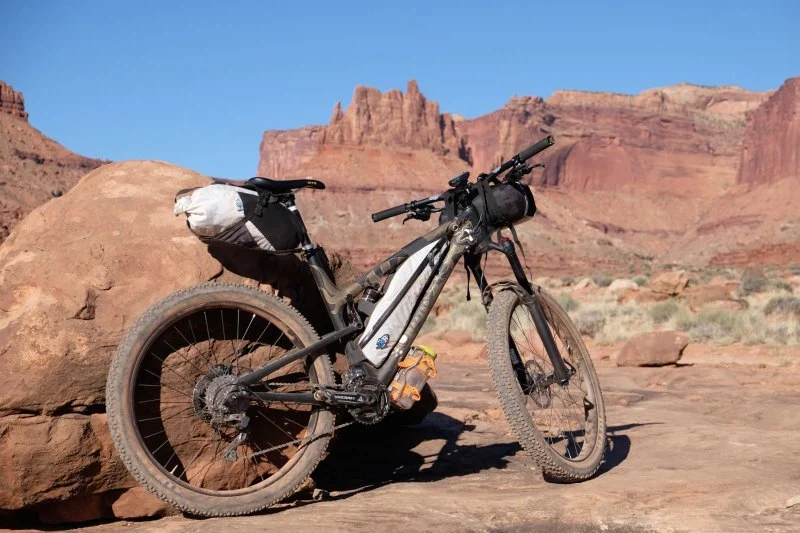
- #preparing-your-bike-for-travel
- #choosing-the-best-bike-travel-method
- #how-to-pack-a-bike-for-shipping
- #taking-your-bike-on-a-plane
- #shipping-your-bike-safely
- #real-bike-travel-experiences-and-common-mistakes
- #cycling-guider-for-better-bike-adventures
Preparing Your Bike for Travel: The First Step Toward a Successful Journey
For many cyclists, traveling with a bike opens the door to unforgettable experiences. Whether you are planning a mountain biking trip, joining a cycling event, exploring a new city, or simply bringing your favorite bike on vacation, knowing how to travel with your bike properly can save you time, money, and unnecessary stress.
A bicycle is more than just transportation. For many riders, it represents freedom, fitness, adventure, and personal memories. That is why the thought of handing your bike over to an airline, shipping company, or baggage handler can feel uncomfortable. A damaged frame, missing parts, or poor packing job can quickly turn an exciting trip into a frustrating experience.
The good news is that traveling with a bike does not have to be complicated. With the right preparation, equipment, and planning, you can confidently choose between packing, shipping, or taking your bike on a plane.
1.1 Understanding Your Travel Goals Before Packing
The best method for transporting your bike depends on where you are going and what type of cycling experience you want. A professional cyclist traveling to a race may have different needs compared with a casual rider taking a bicycle on a family vacation.
Before deciding how to transport your bike, consider these important questions:
- How far are you traveling?
- Will you need your bike immediately after arrival?
- Are you traveling domestically or internationally?
- What type of bike are you bringing?
- How much protection does your bicycle require?
A lightweight road bike, an expensive carbon-frame bicycle, and a heavy mountain bike each require different levels of preparation.
1.2 Inspecting Your Bike Before a Trip
One of the most overlooked parts of bike travel preparation is checking your bicycle before packing. A quick inspection can prevent problems after arrival.
Start by cleaning your bike and checking important components, including the brakes, tires, chain, pedals, and gears. Remove any accessories that could break during transportation, such as bike computers, water bottles, lights, or saddlebags.
Many experienced cyclists also take photos of their bike before packing. These pictures can be useful if you need to document the condition of your bicycle before shipping or airline travel.
Choosing the Best Way to Travel With Your Bike
When learning how to travel with your bike, the three most common options are packing it yourself, shipping it through a bicycle transportation service, or taking it on a plane as checked luggage.
Each option has advantages and disadvantages. The right choice depends on your budget, destination, comfort level, and how much protection your bike needs.
2.1 Option 1: Packing Your Bike Yourself
Packing your own bike gives you complete control over the process. Many cyclists prefer this method because they know exactly how their bicycle has been prepared.
A bike travel case or strong cardboard bike box can protect your bicycle during transportation. However, packing requires patience and attention to detail.
You usually need to remove parts such as:
- Front wheel
- Pedals
- Handlebars or stem
- Rear derailleur protection components
The goal is not simply making the bike smaller. The goal is preventing movement inside the container. Loose parts can scratch the frame or create damage during handling.
2.2 Option 2: Shipping Your Bike
Shipping a bike is often a convenient choice when you want your bicycle waiting for you at your destination. Many cyclists use professional bike shipping services because they offer specialized handling and tracking options.
This method is especially useful for long-distance trips, cycling tours, and events where you need your bike ready immediately after arrival.
The main advantage of shipping is convenience. Instead of carrying a large bike box through airports, you can arrange delivery directly to your hotel, event location, or another destination.
2.3 Option 3: Taking Your Bike on a Plane
Flying with a bike is one of the most popular choices among cyclists traveling across countries or continents. However, airlines have different policies regarding bicycle size, weight limits, fees, and packaging requirements.
Before your flight, always check the airline's current bicycle transportation rules. Some airlines allow bicycles as standard checked luggage, while others require special sports equipment fees.
A little research before departure can prevent unexpected airport charges.
How to Pack a Bike for Shipping Without Damage
Learning how to pack a bike for shipping is one of the most important skills for any cyclist who travels regularly. A properly packed bicycle can survive thousands of miles of transportation.
3.1 Choosing the Right Bike Travel Case
A quality bike travel case provides stronger protection than a simple cardboard box. Hard cases offer excellent impact resistance, while soft cases are often lighter and easier to store.
Hard bike cases are usually preferred by riders with expensive bicycles because they provide better protection against rough handling. Soft cases may be more convenient for cyclists who travel frequently and need easier storage.
The best choice depends on your travel style, budget, and bicycle value.
3.2 Step-by-Step Packing Process
A careful packing process usually includes the following steps:
Step 1: Clean and prepare your bicycle.
Remove dirt and inspect the bike before disassembly.
Step 2: Remove necessary components.
Take off wheels, pedals, and other parts required by your case.
Step 3: Protect sensitive areas.
Use padding around the frame, derailleur, handlebars, and other vulnerable components.
Step 4: Secure everything inside the case.
Make sure nothing moves freely during transportation.
Step 5: Check weight limits.
A heavy package can create additional airline or shipping costs.
3.3 Common Packing Mistakes Cyclists Make
Many bike travel problems happen because cyclists rush the packing process. Some common mistakes include leaving accessories attached, failing to protect the derailleur, or forgetting small parts during reassembly.
Experienced riders often create a packing checklist before every trip. This simple habit can prevent missing tools, bolts, pedals, or other important equipment.
Taking Your Bike on a Plane: What Cyclists Need to Know
For many riders, taking a bike on a plane is the fastest way to reach a new cycling destination. Whether you are traveling for a race, vacation, or adventure, understanding airline procedures makes the process much easier.
4.1 Preparing for Airport Travel
Airports can be challenging because bicycles are large, heavy, and require special handling. Arriving early gives you enough time to complete check-in without rushing.
Keep important tools and documents organized. If your bike case has removable parts, make sure everything is secured before arriving at the airport.
4.2 Protecting Your Bike During Flights
Airline baggage systems involve many transfers and handling points. Extra protection around delicate areas can reduce the risk of damage.
Many cyclists add foam padding, frame protectors, or wheel covers to provide additional security.
4.3 Rebuilding Your Bike After Arrival
After reaching your destination, inspect your bicycle before riding. Check tire pressure, brake performance, wheel alignment, and gear shifting.
A short test ride can help identify problems before starting a long cycling route.
Shipping Your Bike Safely for Long-Distance Adventures
For cyclists who prefer convenience, shipping can be an excellent solution. Professional bike shipping services are designed specifically for transporting bicycles and often provide better handling than regular luggage options.
5.1 Planning Your Shipping Timeline
Avoid waiting until the last minute. Shipping delays can happen because of weather, holidays, or unexpected transportation issues.
Experienced cyclists usually schedule delivery several days before an important event or cycling tour. This allows enough time for inspection and adjustments.
5.2 Tracking and Insurance Considerations
When shipping an expensive bicycle, tracking and protection options can provide additional peace of mind. Always understand the company's policies before sending your bike.
A bicycle represents a significant investment, and protecting it during transportation is just as important as protecting it while riding.
Real Bike Travel Experiences and Lessons Learned
Many cyclists have stories about their first bike trip. Some remember smooth adventures, while others remember mistakes that taught valuable lessons.
6.1 A Cyclist's First International Bike Adventure
One common experience among traveling cyclists is underestimating preparation time. A rider planning a European cycling tour may focus heavily on routes and hotels but forget about airline requirements and bike assembly.
After struggling with a poorly packed bicycle during the first trip, many cyclists develop better habits. They learn to prepare early, organize tools carefully, and test their packing method before traveling.
6.2 Learning From Professional Cycling Events
Professional cycling events provide excellent examples of effective bike transportation. Teams traveling internationally often use specialized cases, detailed checklists, and experienced mechanics to protect equipment.
While everyday cyclists may not have a professional support team, they can apply the same principles: preparation, organization, and attention to detail.
Cycling Guider: Helping Riders Prepare for Better Cycling Trips
Traveling with a bike becomes much easier when you have access to the right knowledge, equipment, and guidance. Whether you need bike travel accessories, packing solutions, or cycling-related recommendations, Cycling Guider can help you find suitable options for your next adventure.
A successful cycling trip is not only about reaching your destination. It is about enjoying the entire experience, from preparation to the first ride after arrival.
7.1 Building Confidence as a Traveling Cyclist
The more you travel with your bicycle, the easier the process becomes. Your packing system improves, your checklist becomes more complete, and you gain confidence handling different travel situations.
Every journey teaches something new. A small mistake during one trip often becomes valuable experience for future adventures.
7.2 Creating More Cycling Memories Around the World
A bicycle allows you to experience places differently. You notice details that are often missed from a car window. You connect with local communities, explore hidden roads, and create personal stories along the way.
Understanding how to travel with your bike gives you the freedom to take those adventures anywhere. With proper preparation, your bicycle can become the perfect companion for discovering new places.
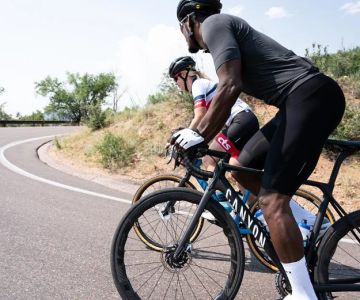
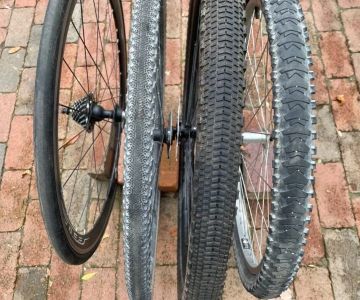

 RIDE615 Bicycle Shop4.0 (108 reviews)
 Magnum Electric Bikes, Scottsdale5.0 (117 reviews)
 Two Fold Bicycle Shop4.0 (71 reviews)
 Trek Bicycle Arlington Ballston4.0 (465 reviews)
 REBEL BIKES ELECTRIC @ MEMPHIS5.0 (3 reviews)
 Fit Werx - Vermont. Appointment Based Bike Fitting, Sales & Service5.0 (78 reviews)
 How to Teach Kids to Ride a Bike: A Step-by-Step Guide for Parents
 Tips for Riding on Busy City Streets: Smart Strategies for Urban Cyclists
 Best US National Parks for Mountain Biking: Ride Epic Trails Across America
 Best Aero Helmets for Time Trials and Racing
 How to Clean and Lubricate Your Bike Chain Like a Pro
 10 Must-Have Items for Long-Distance Cycling Trips