
- - Why Hand Numbness Happens on Drop Bars - hand-numbness-causes
- - Bike Fit and Its Role in Pressure Distribution - bike-fit-pressure
- - Handlebar Positioning and Grip Techniques - handlebar-positioning
- - Common Nerve Compression Points Explained - nerve-compression-cycling
- - Real Rider Story: Long Ride Hand Fatigue Experience - rider-hand-numbness-story
- - Step-by-Step Adjustments for Immediate Relief - step-by-step-relief
- - Equipment Upgrades for Better Comfort - comfort-equipment-upgrade
- - Long-Term Prevention Strategies for Road Cyclists - long-term-prevention
Why Hand Numbness Happens on Drop Bars
If you’ve ever finished a long ride and felt tingling, pins-and-needles, or outright numbness in your fingers, you’re not alone. Hand numbness cycling is one of the most common complaints among road cyclists using drop bars, especially during longer rides or aggressive riding positions.
The root cause is usually nerve compression cycling, where pressure from your body weight is concentrated through your hands and wrists. When riding on drop bars, your upper body naturally leans forward, shifting weight onto your palms. Over time, this pressure compresses sensitive nerves, particularly the ulnar and median nerves.
What makes this issue tricky is that it often develops gradually. Riders may not notice it during short rides, but on endurance rides or fast-paced group cycling, the symptoms become much more obvious.
Understanding why this happens is the first step in learning how to avoid hand numbness while riding on drop bars effectively and permanently.
Bike Fit and Its Role in Pressure Distribution
One of the most overlooked factors in cycling comfort is bike fit. Even small misalignments in saddle height, reach, or handlebar position can dramatically increase pressure on your hands.
If your saddle is too far forward, more weight shifts onto your upper body. If your handlebars are too low relative to the saddle, your torso angle becomes too aggressive, increasing strain on your wrists. These subtle positioning issues are often the hidden cause of cycling hand pain relief problems not improving with simple grip changes.
A properly fitted bike distributes weight more evenly between saddle, pedals, and handlebars. This balance reduces unnecessary strain on the hands and significantly lowers the risk of numbness.
Many cyclists only discover this after a professional bike fit session, where millimeter-level adjustments can completely transform riding comfort.
Handlebar Positioning and Grip Techniques
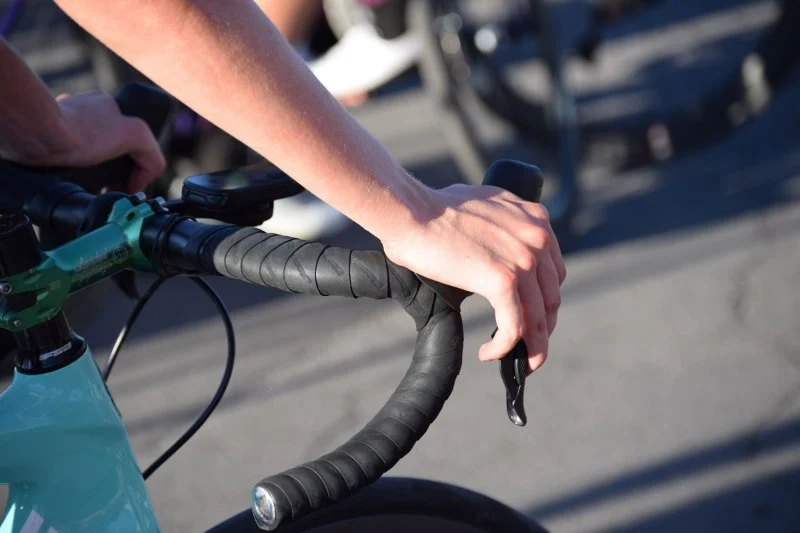
Handlebar positioning plays a major role in preventing hand discomfort. Drop bars offer multiple hand positions, but many riders unconsciously stay in one position for too long, increasing localized pressure.
1. Using Multiple Hand Positions
Shifting between the tops, hoods, and drops helps redistribute pressure across different muscles and nerves. Staying in one position for extended periods is one of the fastest ways to trigger numbness.
2. Relaxed Grip Technique
Many riders grip the handlebars too tightly, especially on rough roads or during climbs. A death grip restricts blood flow and increases vibration transfer into the hands.
3. Micro-Movements During Riding
Small adjustments—like shaking out fingers or slightly repositioning palms every few minutes—help maintain circulation and reduce fatigue buildup.
These simple cycling posture adjustment habits can make a noticeable difference even on long endurance rides.
Common Nerve Compression Points Explained
To truly understand hand numbness, it helps to know which nerves are affected. The ulnar nerve, which runs along the outside of the hand, is often compressed when resting heavily on the handlebars. This leads to numbness in the ring and little fingers.
The median nerve, which runs through the center of the wrist, can also be compressed, causing tingling in the thumb, index, and middle fingers.
Prolonged pressure on these areas is the primary reason riders experience discomfort during long rides on drop bars.
Improving handlebar pressure reduction is not just about comfort—it also protects long-term nerve health, which is essential for serious cyclists.
Real Rider Story: Long Ride Hand Fatigue Experience
A recreational cyclist preparing for their first century ride shared a relatable experience that highlights how easily hand numbness can develop.
During shorter training rides, everything felt fine. But around mile 50 of the long ride, tingling began in the right hand. At first, it was mild, but as the ride continued, the numbness spread to both hands, making it difficult to maintain a comfortable grip.
After the ride, the cyclist learned that their saddle was slightly too far forward and their handlebar height was too low. Combined with staying in the same hand position for long periods, this created sustained nerve compression cycling stress.
After adjusting bike fit and learning proper grip variation, the rider reported dramatically improved comfort on subsequent rides.
This story reflects a common pattern: most hand numbness issues are not caused by a single mistake, but by a combination of small, correctable factors.
Step-by-Step Adjustments for Immediate Relief
If you’re currently experiencing hand numbness cycling during rides, there are several immediate adjustments you can make to reduce discomfort.
1. Shift Hand Positions Frequently
Rotate between different grip positions every few minutes to redistribute pressure and improve circulation.
2. Adjust Saddle Angle
A slightly tilted saddle can shift body weight backward, reducing pressure on the hands.
3. Loosen Your Grip
Consciously relaxing your hands helps reduce tension and improves blood flow.
4. Raise Handlebar Height
Even a small increase in handlebar height can significantly reduce forward weight distribution.
5. Check Glove Padding
Proper cycling gloves help absorb vibration and reduce direct pressure on nerves.
These adjustments are often enough to provide noticeable cycling hand pain relief within a single ride.
Equipment Upgrades for Better Comfort
Sometimes, technique alone is not enough. Upgrading your equipment can significantly improve long-term comfort and help eliminate recurring numbness.
Modern handlebar tape with gel padding can reduce road vibration and improve grip comfort. Ergonomic bar shapes also distribute pressure more evenly across the palm.
Some riders also benefit from shorter stem lengths, which reduce reach and bring the rider into a more upright position. This simple change can dramatically reduce forward pressure on the hands.
High-quality cycling gloves with strategic padding zones are another important upgrade. However, padding alone is not a complete solution—it must be combined with proper bike fit.
For riders looking to optimize comfort setup, Cycling Guider offers practical recommendations for handlebars, gloves, and ergonomic cycling accessories designed for endurance riding.
Long-Term Prevention Strategies for Road Cyclists
Preventing hand numbness is ultimately about building better riding habits and maintaining a properly adjusted bike.
Regular bike fit checks are essential, especially if your flexibility, riding style, or training volume changes over time. Even experienced cyclists can develop discomfort if their setup is not updated.
Strengthening core muscles also plays a surprisingly important role. A stronger core reduces reliance on the arms for stability, which naturally decreases hand pressure.
In addition, incorporating stretching routines before and after rides can improve flexibility in the wrists, shoulders, and upper back, reducing overall strain.
The key takeaway is that preventing numbness is not about one fix—it’s about combining multiple small improvements into a consistent system of comfort optimization.

 Multi Gear Bike & Sport Inc3.0 (58 reviews)
 San Tan Bikes4.0 (252 reviews)
 North Beach Cyclery5.0 (23 reviews)
 Level Up Bike Shop4.0 (46 reviews)
 Lloyd's Custom Bicycle Shop5.0 (8 reviews)
 Canyon Bicycles4.0 (74 reviews)
 How to Teach Kids to Ride a Bike: A Step-by-Step Guide for Parents
 Tips for Riding on Busy City Streets: Smart Strategies for Urban Cyclists
 Best US National Parks for Mountain Biking: Ride Epic Trails Across America
 Best Aero Helmets for Time Trials and Racing
 How to Clean and Lubricate Your Bike Chain Like a Pro
 10 Must-Have Items for Long-Distance Cycling Trips