
- 1-understanding-gravel-cycling-shoes
- 2-why-traction-matters-on-gravel-routes
- 3-finding-the-right-stiffness-balance
- 4-comfort-features-for-long-distance-rides
- 5-key-materials-and-design-elements
- 6-common-mistakes-when-buying-gravel-shoes
- 7-real-riding-experiences-and-practical-lessons
- 8-how-to-select-the-perfect-gravel-cycling-shoes
1. Understanding Gravel Cycling Shoes for Modern Adventures
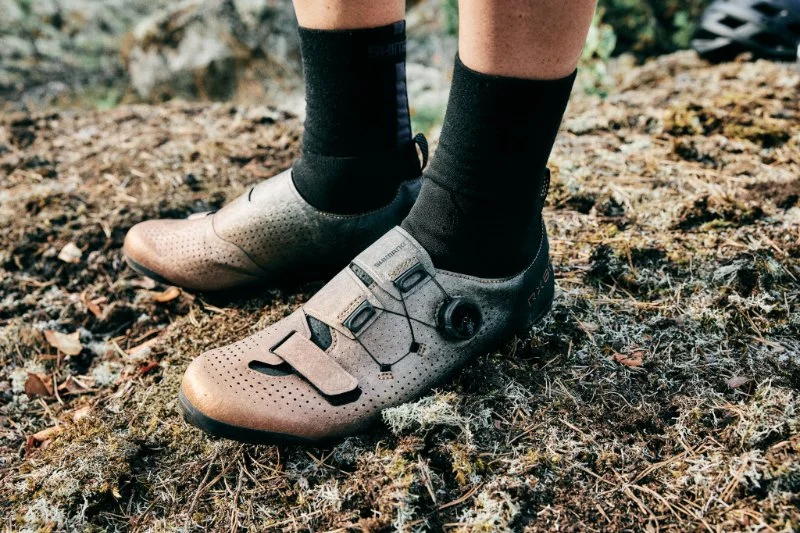
Gravel cycling has transformed the way many riders experience the outdoors. Instead of staying limited to smooth pavement or traditional mountain trails, gravel riders explore a mix of dirt roads, rocky paths, forest routes, farm roads, and long-distance backcountry adventures. This unique style of riding requires equipment that can handle changing conditions, and choosing the best cycling shoes for gravel rides has become an important decision for both beginners and experienced cyclists.
Unlike traditional road cycling shoes designed almost entirely around speed and power transfer, gravel cycling shoes need to provide a more balanced performance. Riders need enough stiffness to efficiently transfer energy into the pedals, but they also need flexibility, walking comfort, and reliable grip when leaving the bike to navigate rough terrain.
A great pair of gravel shoes should feel like an extension of your riding style. Whether you are competing in a gravel race, exploring local trails on weekends, or planning a multi-day adventure across the United States, the right footwear can significantly improve confidence and endurance.
The Growing Popularity of Gravel Riding
Over the past decade, gravel cycling has grown from a niche activity into one of the fastest-growing categories in cycling. Events such as long-distance gravel races and adventure rides have introduced thousands of riders to the freedom of exploring roads that traditional cycling often ignores.
Many cyclists enjoy gravel because it offers a different experience from road riding. There is less traffic, more connection with nature, and a greater sense of discovery. However, these benefits also create new challenges. Riders encounter loose gravel, mud, steep climbs, uneven surfaces, and sections where they must walk their bikes.
This is why selecting shoes specifically designed for gravel conditions is essential. The best cycling shoes for gravel rides combine durability, traction, stiffness, and comfort instead of focusing on only one performance factor.
2. Why Traction Matters on Gravel Routes
Traction is one of the most important features to consider when choosing gravel cycling shoes. A rider may spend hours pedaling, but there are always moments when stability on the ground matters. Walking through a muddy section, carrying a bike over rocks, or stopping at a scenic viewpoint all require dependable grip.
The Difference Between Road and Gravel Shoe Soles
Road cycling shoes usually have extremely smooth soles because they are designed for maximum aerodynamic efficiency and pedal performance. While this works well for racing on pavement, those smooth surfaces can become difficult to manage on gravel.
Gravel shoes typically include rubber lugs or textured sections around the cleat area. These patterns improve traction on dirt, loose stones, and wet surfaces. The additional grip does not usually affect pedaling performance but can make a major difference when walking or controlling your bike off-road.
Traction for Different Gravel Conditions
Not all gravel roads are the same. Riders in Arizona may encounter dry, rocky trails, while cyclists in the Pacific Northwest may deal with mud, rain, and slippery roots. The ideal shoe depends partly on the environment where you ride most often.
For dry gravel roads, moderate tread patterns may provide enough stability. For technical routes with hiking sections, deeper rubber lugs offer better confidence. Riders who frequently participate in adventure events should prioritize shoes that remain comfortable and secure outside the pedals.
When researching gravel equipment, many cyclists use resources like Cycling Guider to compare different gear options and understand which features match their riding goals.
3. Finding the Right Stiffness Balance
Stiffness is another major factor when searching for the best cycling shoes for gravel rides. The stiffness of a shoe affects how efficiently power moves from your legs into the pedals. However, gravel riding requires a different approach than pure road racing.
Why Stiff Soles Improve Pedaling Efficiency
A stiff sole reduces energy loss by preventing excessive foot movement during pedaling. This becomes especially noticeable during long climbs, fast group rides, or endurance events where every bit of efficiency matters.
Professional cyclists often prefer very stiff shoes because they spend nearly all their time clipped into pedals. However, recreational gravel riders may value a slightly more forgiving design because gravel adventures often involve walking, exploring, and unpredictable terrain.
The Ideal Stiffness for Gravel Riders
The best gravel cycling shoes usually offer medium to high stiffness rather than the maximum stiffness found in racing shoes. This creates a practical balance between performance and everyday usability.
A rider completing a 100-mile gravel event may appreciate a supportive sole that prevents foot fatigue. At the same time, they will likely appreciate being able to comfortably walk during rest stops or technical sections.
Finding this balance is one of the biggest differences between choosing shoes for gravel and choosing shoes only for road cycling.
4. Comfort Features for Long-Distance Gravel Rides
Comfort becomes increasingly important as ride duration increases. A shoe that feels acceptable during a one-hour ride may create problems after six hours in the saddle. Gravel cyclists often spend extended periods wearing the same footwear, making comfort a performance feature rather than a luxury.
Proper Fit Prevents Common Foot Problems
A properly fitted cycling shoe should hold the foot securely without creating pressure points. Shoes that are too tight can cause numbness, while shoes that are too loose may create unwanted movement and reduce efficiency.
Many gravel riders make the mistake of choosing a shoe based only on appearance or brand reputation. A better approach is to consider foot shape, riding style, and expected distance.
Breathability and Weather Protection
Gravel riding exposes cyclists to changing weather conditions. A breathable shoe helps during hot summer rides, while water-resistant materials can improve comfort during unexpected rain.
Some riders prefer lightweight mesh designs for warm climates, while others choose reinforced materials for year-round riding. The best option depends on where and when you typically ride.
5. Key Materials and Design Elements
The construction of a gravel cycling shoe influences durability, comfort, and performance. Modern designs combine advanced materials to create footwear that can survive demanding conditions without feeling heavy.
Upper Materials
The upper section of a shoe affects ventilation, protection, and fit. Synthetic materials are common because they resist stretching and dry quickly. Some premium models use advanced fabrics that provide lightweight durability.
Reinforced toe areas are particularly useful for gravel riders because they protect against rocks and debris. Small impacts that might damage a road shoe are common during off-road adventures.
Cycling Shoe Closure Systems
Closure systems influence both comfort and convenience. Traditional laces offer a classic feel and even pressure distribution, while dial-based systems allow quick adjustments during rides.
There is no single perfect closure system. Riders should choose based on personal preference, adjustment needs, and riding conditions.
6. Common Mistakes When Buying Gravel Cycling Shoes
Many cyclists purchase gravel shoes without considering how they actually ride. Understanding common mistakes can help prevent disappointment.
Choosing Maximum Stiffness Without Considering Comfort
Some riders assume that the stiffest shoe automatically provides the best performance. However, excessive stiffness may become uncomfortable during long adventure rides where walking is necessary.
Ignoring Sole Grip
A lightweight shoe with excellent pedal efficiency may still disappoint if it becomes slippery when walking. Gravel riding requires versatility, and traction should always be part of the decision process.
Buying Without Considering Ride Style
A competitive gravel racer and a weekend explorer may need completely different shoes. One may prioritize speed, while the other values durability and comfort.
7. Real Riding Experiences and Practical Lessons
Many cyclists discover the importance of proper footwear after their first challenging gravel adventure. A common story among riders is beginning with standard road shoes, only to struggle when encountering muddy paths or long walking sections.
For example, a recreational cyclist planning a multi-day route through rural mountain roads may initially focus on bike upgrades and navigation equipment. During the trip, they discover that uncomfortable shoes create more problems than expected. Hot spots, slippery soles, and tired feet can reduce enjoyment even when the bicycle performs perfectly.
After switching to purpose-built gravel cycling shoes, many riders notice improved confidence immediately. Better traction allows them to walk naturally, while improved support reduces fatigue during long rides.
8. How to Select the Perfect Gravel Cycling Shoes
Choosing the best cycling shoes for gravel rides requires understanding your personal needs. Instead of searching for the most expensive or popular option, focus on the features that match your riding habits.
Consider Your Typical Terrain
Think about where you ride most often. Smooth gravel roads require different features compared with technical mixed-terrain routes. Your local environment should influence your decision.
Match Shoes to Your Distance Goals
Short recreational rides may prioritize comfort and flexibility. Long endurance events require stronger support, better ventilation, and reliable durability.
Think About Year-Round Use
If you ride throughout different seasons, consider materials that handle temperature changes and unpredictable weather. A versatile pair of shoes can provide better value over time.
Gravel cycling continues to attract riders because it combines adventure, fitness, and exploration. The right footwear plays a major role in making those experiences enjoyable. By focusing on traction, stiffness, and comfort, cyclists can choose shoes that support every mile of their journey.
Whether you are preparing for your first gravel adventure or upgrading your current setup, exploring quality cycling resources like Cycling Guider can help you make informed decisions and find equipment suited to your personal riding style.



 Burrows Sports4.0 (38 reviews)
 Ocean City Bicycle Center4.0 (99 reviews)
 Mikes Bike Shop4.0 (166 reviews)
 Stape Cycles5.0 (72 reviews)
 Montecci Bikes4.0 (22 reviews)
 Moxie Bike Shop4.0 (163 reviews)
 How to Teach Kids to Ride a Bike: A Step-by-Step Guide for Parents
 Tips for Riding on Busy City Streets: Smart Strategies for Urban Cyclists
 Best US National Parks for Mountain Biking: Ride Epic Trails Across America
 Best Aero Helmets for Time Trials and Racing
 How to Clean and Lubricate Your Bike Chain Like a Pro
 10 Must-Have Items for Long-Distance Cycling Trips