
- Understanding Wildlife on Remote Trails
- Preventing Wildlife Encounters While Cycling
- What to Do If You Encounter Wildlife on Trails
- Essential Gear for Wildlife Safety While Cycling
- Real-World Wildlife Encounter Stories
Understanding Wildlife on Remote Trails
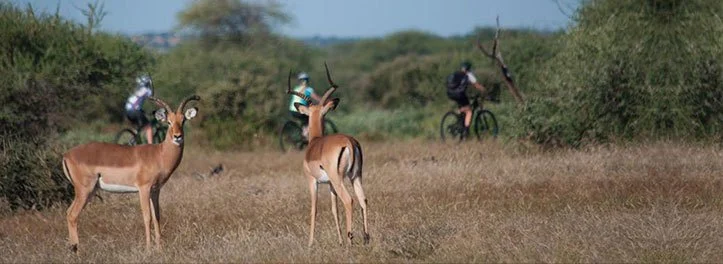
When cycling on remote trails, especially in national parks, forests, and other protected areas, cyclists are likely to encounter various types of wildlife. While most animals will avoid humans, it’s important to understand the presence of potentially dangerous species and how to handle them. Common wildlife encounters on remote trails include deer, mountain lions, bears, snakes, and smaller creatures like raccoons or squirrels. Understanding their behavior and knowing how to react can significantly reduce the risk of dangerous encounters.
Preventing Wildlife Encounters While Cycling
Prevention is the first line of defense when it comes to staying safe from wildlife. While it’s impossible to guarantee that you won’t encounter animals, there are several steps you can take to minimize the likelihood:
- Make Noise: Animals in the wild tend to avoid humans when they hear them coming. Talking, singing, or using a bike bell can alert animals to your presence and give them time to move away.
- Stay on Marked Trails: Venturing off the trail can increase the chances of encountering wildlife. Stick to well-maintained and clearly marked trails where animals are less likely to feel threatened by your presence.
- Ride in Groups: Animals are less likely to approach large groups of cyclists. Whenever possible, bike with others to reduce the chances of an encounter.
- Avoid Dusk and Dawn Rides: Many animals are more active during dawn and dusk. Plan your rides during the middle of the day when animals are less likely to be out hunting or foraging.
What to Do If You Encounter Wildlife on Trails
If you do encounter wildlife, it’s essential to stay calm and act appropriately to avoid escalating the situation. Here are steps you can take if you come across an animal while biking:
- Stay Calm and Assess the Situation: Do not panic. Take a moment to assess the situation and the animal's behavior. Most animals will simply watch you and move away, but it’s important to stay alert.
- Keep Your Distance: Do not approach the animal, and avoid any sudden movements. Slowly back away if the animal seems curious or unthreatened.
- Avoid Direct Eye Contact: Some animals, particularly predators like mountain lions or bears, may see direct eye contact as a challenge. Instead, look at the animal from the corner of your eye while keeping it in your peripheral vision.
- Use Your Bike to Make Yourself Look Bigger: If you feel threatened, stand tall on your bike and try to make yourself appear larger. This can sometimes discourage smaller animals from approaching.
- Carry Bear Spray or Deterrents: If you’re cycling in an area known for large predators like bears, consider carrying bear spray. This can be a non-lethal way to defend yourself if a situation escalates.
Essential Gear for Wildlife Safety While Cycling
While taking precautions is important, having the right gear can also improve your safety while cycling on remote trails. Here are a few items that can help protect you in case of wildlife encounters:
- Bear Spray: If you're cycling in bear country, bear spray is a must-have. It’s an effective and humane deterrent that can keep you safe if you encounter a bear.
- Whistle or Bike Bell: Carry a whistle or use your bike bell to make noise and alert wildlife of your presence. This can help prevent surprise encounters.
- First Aid Kit: Always carry a small first aid kit. If you're injured by an animal or in an accident, you’ll need the tools to address minor wounds until you can get to safety.
- Light Source: A flashlight or headlamp is essential for cycling in low-light conditions. If you’re caught in the dark, it will help you navigate and spot any wildlife ahead.
- Helmet and Protective Gear: While not directly related to wildlife, always wear a helmet and protective gear to prevent injury during unexpected encounters or accidents.
Real-World Wildlife Encounter Stories
Many cyclists have had close encounters with wildlife on remote trails. For example, a cyclist in Yosemite National Park once shared how they came across a curious black bear on the trail. The cyclist, who was aware of bear behavior, calmly backed away and used their whistle to alert the bear to their presence. Fortunately, the bear was not interested in approaching and continued on its way.
Another story comes from a cyclist in Yellowstone National Park, who encountered a bison on the trail. Instead of panicking, the cyclist remained stationary and slowly backed away. Bison are often unpredictable, but the cyclist's calm response helped avoid a dangerous situation.
These stories highlight the importance of staying calm, using the right gear, and following the proper precautions when cycling in areas with wildlife. By being aware and prepared, cyclists can safely enjoy the beauty of remote bike trails without fear of wildlife encounters.



 Bike Fit 4 U4.0 (18 reviews)
 Plum Grove Cyclery5.0 (68 reviews)
 Freemans Bridge Sports4.0 (141 reviews)
 Goodales Bike Shop Nashua4.0 (1042 reviews)
 Freeride Bike Co.4.0 (263 reviews)
 Brumell's Cycling & Fitness4.0 (36 reviews)
 How to Teach Kids to Ride a Bike: A Step-by-Step Guide for Parents
 Tips for Riding on Busy City Streets: Smart Strategies for Urban Cyclists
 Best US National Parks for Mountain Biking: Ride Epic Trails Across America
 Best Aero Helmets for Time Trials and Racing
 How to Clean and Lubricate Your Bike Chain Like a Pro
 10 Must-Have Items for Long-Distance Cycling Trips