
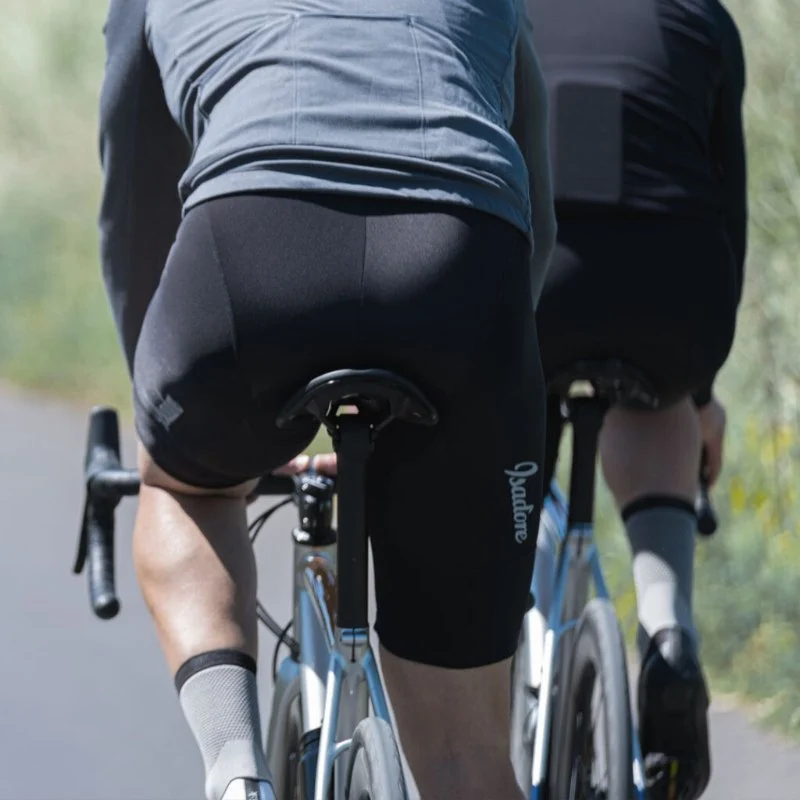
1. Understanding Saddle Discomfort
Saddle discomfort is one of the most common issues faced by cyclists, especially during long rides. It can range from mild irritation to more severe pain that can make cycling unbearable. Understanding the root causes of saddle discomfort and how to manage it effectively can help you enjoy your cycling experience without the distraction of pain.
2. Causes of Saddle Pain
There are several factors that can contribute to saddle pain. Identifying the cause is the first step toward finding a solution:
2.1 Incorrect Saddle Position
One of the most common causes of saddle discomfort is an improperly positioned saddle. If your saddle is too high, too low, or tilted at the wrong angle, it can cause pressure on sensitive areas, leading to pain and discomfort.
2.2 Wrong Saddle Type
Different types of saddles are designed for different types of riding. A saddle that is too narrow or too soft for your body type can lead to discomfort. If you're doing long-distance rides, a saddle with more padding and support may be more appropriate.
2.3 Poor Riding Technique
Your riding posture and technique can also contribute to saddle discomfort. Leaning too far forward or putting too much weight on the saddle can lead to pressure on the perineal area, causing pain.
3. Adjusting Your Saddle Position
Proper saddle position is crucial to avoiding discomfort and pain. Here are some tips for making adjustments:
3.1 Saddle Height
Your saddle height plays a significant role in your comfort. If the saddle is too high, it can cause excessive stretching of your legs, leading to soreness. If it's too low, it can cause pressure on the knees. The ideal height allows your leg to have a slight bend when the pedal is at its lowest point.
3.2 Saddle Fore-Aft Position
The fore-aft position refers to how far forward or backward the saddle is in relation to the bottom bracket. A saddle that is too far forward can put excessive pressure on the perineal area, while a saddle that is too far back can cause discomfort in the lower back. Finding the right balance is key to maintaining comfort during rides.
3.3 Saddle Angle
The angle of the saddle can also affect comfort. A saddle that is tilted too far up or down can cause discomfort in the pelvis or lower back. The ideal angle is slightly level or with a slight downward tilt to reduce pressure on sensitive areas.
4. Choosing the Right Cycling Gear
In addition to adjusting your saddle, selecting the right cycling gear can make a big difference in reducing saddle discomfort. Here's what to look for:
4.1 Padded Cycling Shorts
Padded cycling shorts are essential for long rides. They provide extra cushioning to reduce friction and pressure on the saddle, preventing discomfort. Look for high-quality shorts with strategically placed padding to offer maximum comfort.
4.2 Chamois Cream
Chamois cream can help reduce chafing and irritation by providing a smooth layer of lubrication between your skin and the saddle. Apply the cream generously to prevent saddle sores and enhance comfort during your ride.
4.3 Proper Cycling Shoes
Wearing the right cycling shoes is important for preventing discomfort, especially in the feet and legs. Shoes that are too tight or lack proper arch support can lead to pain. Choose shoes that fit well and offer adequate support for long rides.
5. Maintaining Comfort During Long Rides
Long rides can exacerbate saddle discomfort, but there are several strategies to maintain comfort throughout your journey:
5.1 Take Frequent Breaks
Taking short breaks during long rides can help alleviate pressure and reduce discomfort. Stand up, stretch, and walk around for a few minutes to relieve pressure on the saddle area.
5.2 Shift Your Position
Changing your riding position frequently can help avoid excessive pressure on one part of your body. Try shifting your weight or standing up briefly while pedaling to relieve pressure and stretch your muscles.
5.3 Stay Hydrated
Staying hydrated is key to preventing muscle cramps and fatigue during long rides. Drinking enough water ensures that your muscles and joints stay lubricated, reducing the likelihood of saddle discomfort.
6. Real-Life Experience: Overcoming Saddle Discomfort
Mike, an avid cyclist, struggled with saddle discomfort during his long weekend rides. After adjusting the height and angle of his saddle and investing in high-quality padded cycling shorts, he noticed a significant reduction in discomfort. Mike also started using chamois cream and took regular breaks during his rides to shift positions. His experience shows that with the right adjustments and gear, managing saddle discomfort is entirely possible, making long rides more enjoyable and comfortable.
If you're looking for cycling gear to enhance your comfort and reduce saddle discomfort, visit Cycling Guider for expert recommendations and top-quality products.


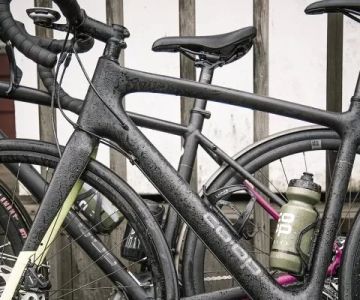
 Service Course Cycle Studio5.0 (15 reviews)
 Valley Bike and Ski Werks4.0 (122 reviews)
 Bike Zone4.0 (132 reviews)
 Any And All Bikes No 14.0 (172 reviews)
 Bicycle Therapy4.0 (255 reviews)
 Bicycle Warehouse San Marcos4.0 (210 reviews)
 How to Teach Kids to Ride a Bike: A Step-by-Step Guide for Parents
 Tips for Riding on Busy City Streets: Smart Strategies for Urban Cyclists
 Best US National Parks for Mountain Biking: Ride Epic Trails Across America
 Best Aero Helmets for Time Trials and Racing
 How to Clean and Lubricate Your Bike Chain Like a Pro
 10 Must-Have Items for Long-Distance Cycling Trips