
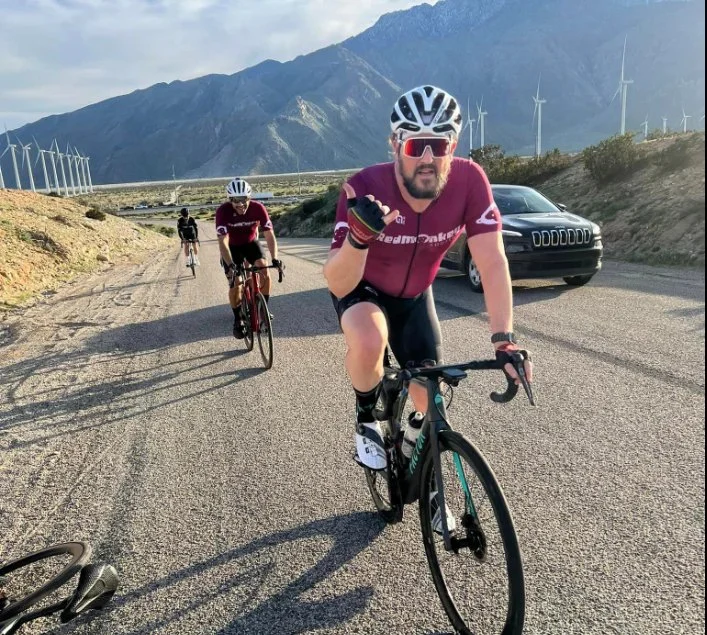
Why Nutrition is Important for a 100-Mile Gran Fondo
Nutrition plays a crucial role in preparing your body for the physical demands of a 100-mile Gran Fondo. This type of endurance event requires careful planning to ensure your body has the energy it needs to complete the ride and perform at your best. Inadequate nutrition can lead to fatigue, cramping, and a significant drop in performance, while the right balance of carbohydrates, protein, and fats can provide sustained energy throughout the race. Understanding how to fuel your body before, during, and after the race is key to achieving your best results.
Fueling Your Body Before the Race
What you eat before the Gran Fondo is critical to setting the stage for a successful ride. Proper pre-race nutrition helps to maximize glycogen stores, provide lasting energy, and ensure that your body is ready for the intense physical effort. Here's what you need to know:
1. The Day Before the Race: Carbohydrate Loading
The day before your Gran Fondo, focus on carbohydrate-rich foods to fill your muscles with glycogen, the body's primary energy source during endurance events. Good options include pasta, rice, potatoes, and whole grains. Aim to eat your last large meal around 5-7 p.m., allowing your body time to digest before race day. Avoid heavy fats or foods that might cause digestive issues.
2. Breakfast on Race Day
On race day, it’s essential to have a breakfast that’s high in carbohydrates and moderate in protein, while keeping fat intake low. This combination will provide steady energy without feeling too full or sluggish. A good breakfast might include oatmeal with banana and a light serving of peanut butter, or a bagel with honey and a hard-boiled egg. Be sure to eat at least 2 hours before the race to allow for proper digestion.
3. Hydration Before the Race
Hydration is just as important as food. Start hydrating early, at least 24 hours before the race. Aim to drink at least 16-20 ounces of water every 2 hours leading up to race time. Consider adding an electrolyte drink to replenish sodium and potassium levels, especially if you’re training in hot conditions. Avoid excessive caffeine or alcohol, as they can lead to dehydration.
During the Race: What to Eat and Drink
During a 100-mile Gran Fondo, fueling and hydrating properly is essential to maintain your energy levels and avoid "hitting the wall." The goal is to consume easily digestible foods and drinks that provide sustained energy. Here's what you need to do during the race:
1. Eat Carbs Every 30-45 Minutes
During the race, aim to consume 30-60 grams of carbohydrates every hour. This can come from gels, energy bars, or real food like bananas or dried fruit. Gels and chews are easy to carry and digest, providing quick bursts of energy. For longer races, a combination of liquid and solid carbs will prevent energy dips.
2. Hydrate Regularly
Staying hydrated during the race is just as important as consuming carbohydrates. Plan to drink at least 16-20 ounces of water per hour, adjusting based on weather conditions and your sweat rate. You can alternate between water and an electrolyte drink to maintain sodium and potassium balance. Be mindful of overhydrating, as this can lead to hyponatremia (low sodium levels).
3. Consider Electrolyte Supplements
Electrolyte imbalance can cause cramping, fatigue, and confusion. To prevent this, incorporate electrolyte supplements or drinks into your hydration strategy. Some riders prefer using salt tablets, which can be easily carried in pockets, or electrolyte gels to avoid the risk of cramping. Remember to drink according to your thirst and the weather conditions.
Post-Race Nutrition and Recovery
After completing a 100-mile Gran Fondo, your body will need to recover, and nutrition plays a key role in this process. Proper recovery nutrition helps to replenish glycogen stores, repair muscle tissue, and rehydrate your body.
1. Refuel Within 30 Minutes
After the race, aim to consume a recovery meal within 30 minutes to kickstart muscle repair and glycogen replenishment. A combination of carbohydrates and protein is essential. A good option could be a smoothie with protein powder, fruits, and almond milk, or a turkey sandwich with whole grain bread. This will help repair muscle damage and restore energy levels.
2. Rehydrate and Replace Electrolytes
Rehydrating after the race is just as important as refueling. Drink water and an electrolyte beverage to replace lost fluids and minerals. If you’ve been sweating heavily, consider adding an electrolyte tablet or drink to restore sodium, potassium, and magnesium.
3. Recovery Meals
Your first solid meal after the race should be balanced and nutrient-rich. Focus on lean proteins (chicken, fish, tofu), complex carbohydrates (brown rice, quinoa, sweet potatoes), and plenty of vegetables. These nutrients will help with muscle recovery and keep your energy up for the days following the event.
Real-Life Case Studies: Gran Fondo Nutrition Success
Here are a couple of examples of cyclists who successfully planned their nutrition for a 100-mile Gran Fondo:
Case Study 1: Mark’s Gran Fondo Nutrition Plan
Mark, an avid cyclist, participated in his first 100-mile Gran Fondo after several months of training. He followed a detailed nutrition plan, including carb-loading the night before, eating an energy gel every 30 minutes during the ride, and drinking water and electrolytes throughout. Afterward, Mark ate a recovery smoothie with protein and carbs within 30 minutes of finishing. He finished strong and recovered quickly, thanks to his solid nutrition plan.
Case Study 2: Emily’s Hydration Strategy
Emily faced hot conditions during her 100-mile Gran Fondo, which made hydration crucial. She made sure to drink 16 ounces of water every 30 minutes and alternated between water and an electrolyte drink. She also used electrolyte supplements to prevent cramps. Emily completed the race without any cramping or dehydration issues, thanks to her careful attention to hydration.
These real-life stories demonstrate the effectiveness of a well-planned nutrition strategy for endurance events like a 100-mile Gran Fondo. Proper fueling and hydration not only improve performance but also aid in faster recovery after the race.
 Burlington County Bike Shop4.0 (682 reviews)
 Ebike X0.0 (0 reviews)
 N+1 Bikes4.0 (95 reviews)
 ElectriCityBikes Rockville3.0 (5 reviews)
 Black Saddle Bike Shop4.0 (91 reviews)
 Palm City Bike Shop4.0 (10 reviews)
 How to Teach Kids to Ride a Bike: A Step-by-Step Guide for Parents
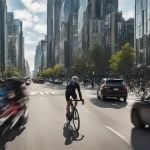 Tips for Riding on Busy City Streets: Smart Strategies for Urban Cyclists
 Best US National Parks for Mountain Biking: Ride Epic Trails Across America
 Best Aero Helmets for Time Trials and Racing
 How to Clean and Lubricate Your Bike Chain Like a Pro
 10 Must-Have Items for Long-Distance Cycling Trips