
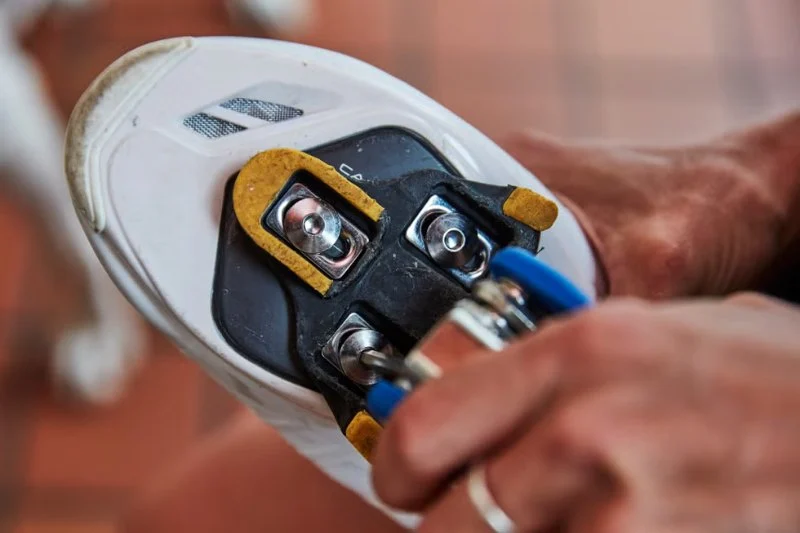
How to Fit Clipless Pedals: Cleat Position, Float, and Comfort
- Why Proper Pedal Fitting Matters
- Understanding Cleat Position
- Adjusting Float for Comfort
- Optimizing Comfort and Performance
- Real-Life Example: Successful Clipless Pedal Fitting
1. Why Proper Pedal Fitting Matters
Clipless pedals are essential for serious cyclists as they offer better power transfer, control, and efficiency. However, the correct fitting of clipless pedals is crucial for comfort and injury prevention. Poorly adjusted pedals can cause discomfort, knee pain, and even lead to long-term injury. Proper fitting ensures that your pedals enhance your riding experience instead of hindering it.
1.1 Power Transfer and Efficiency
Clipless pedals allow you to push and pull the pedals with both your upstroke and downstroke. This improves your pedaling efficiency and enhances your overall cycling performance. But without the correct cleat position and float, you may not be able to use this advantage fully.
1.2 Preventing Injuries
Incorrect pedal setup is a leading cause of knee and hip pain in cyclists. Fitting your pedals properly can help prevent misalignment and reduce the risk of overuse injuries, ensuring that you can ride longer and more comfortably.
2. Understanding Cleat Position
The cleat position is a fundamental part of fitting clipless pedals. The cleats are the part of the pedal system that attach to your shoes, and their positioning on your shoes can significantly affect your comfort and performance. A correct cleat position ensures optimal power transfer while keeping your knees in a natural alignment.
2.1 Fore-Aft Positioning
The fore-aft position refers to how far forward or backward the cleat is placed on the shoe. Generally, the cleat should be positioned so that the ball of your foot is directly over the pedal axle. This allows for the most efficient pedaling. Adjusting the cleat too far forward or too far back can lead to discomfort and inefficient pedaling.
2.2 Lateral Cleat Positioning
Some riders experience discomfort if their cleats are positioned too far inward or outward. Lateral adjustment, or side-to-side cleat position, ensures that your foot is in line with the pedal, avoiding unnecessary stress on the knee joint. You should aim for your foot to be aligned with the pedal spindle when in the correct riding position.
2.3 Heel-to-Toe Alignment
Another factor to consider is the heel-to-toe alignment, which ensures that your feet are properly positioned for maximum comfort. This alignment can prevent discomfort during long rides and help reduce fatigue.
3. Adjusting Float for Comfort
Float refers to the amount of side-to-side movement that your foot has when clipped into the pedal. Some cyclists prefer more float, as it allows for natural knee movement, while others may prefer a more locked-in feel. Adjusting the float can help prevent knee pain and improve comfort during rides.
3.1 Float Range and Personal Preference
Different pedal systems offer different float ranges, typically between 4-9 degrees. A greater float range allows more lateral movement, while a smaller range offers a more fixed connection to the pedal. Cyclists with a history of knee problems often benefit from increased float, as it reduces the strain on the knee joint.
3.2 How to Adjust Float
To adjust the float on your pedals, you can change the positioning of the cleats on your shoes or adjust the float setting on the pedals themselves. Many clipless pedal systems offer adjustable float settings, so you can fine-tune the amount of lateral movement based on your comfort and riding style.
3.3 Finding the Right Balance
While too much float can feel unstable for some riders, too little float can cause discomfort and pain. It’s essential to find a balance that feels natural to you. Consider experimenting with different float settings and making small adjustments until you find the perfect amount of movement for your riding style.
4. Optimizing Comfort and Performance
Beyond cleat position and float, several other factors contribute to the overall comfort and performance of your clipless pedals. The right cycling shoes, pedal tension, and adjustments to your riding position all work together to improve your experience on the bike.
4.1 Cycling Shoe Fit
Your cycling shoes should fit snugly, with no excess room in the toe or heel. A proper fit allows the cleat to be securely attached to the shoe, which improves power transfer and reduces the risk of injury. When your shoes fit well, you also experience less foot fatigue during long rides.
4.2 Pedal Tension Settings
The tension setting on your pedals determines how easily your foot will release from the pedal. Too tight a setting can make it difficult to get out of the pedals quickly, especially in emergency situations. Too loose a setting can lead to accidental unclipping, causing instability. Adjust the pedal tension to suit your riding style, ensuring you have enough security while maintaining the ability to release when necessary.
4.3 Bike Fit Adjustments
Your overall bike fit plays a crucial role in how comfortably you can ride. If your bike is improperly fitted, it can lead to discomfort and potential injuries, even with the best pedal and cleat setup. Consider consulting a professional bike fitter to make adjustments to your saddle height, handlebar position, and other key elements for optimal performance and comfort.
5. Real-Life Example: Successful Clipless Pedal Fitting
Take the example of John, an avid cyclist who had been experiencing knee pain during his rides. He had clipless pedals, but his cleats were poorly positioned, which led to discomfort and reduced efficiency. After adjusting the cleat position for proper alignment and increasing the float range, John noticed a significant reduction in knee pain. His rides became more comfortable, and he was able to ride longer without discomfort.
5.1 How Adjustments Helped
By taking the time to properly adjust his pedal system, John was able to enjoy longer, more enjoyable rides. He also found that the increased float allowed for a more natural knee movement, which made pedaling feel smoother and more efficient.

 Revolution Cycles4.0 (159 reviews)
 Sprocket Cycles4.0 (187 reviews)
 Ponderosa Cyclery4.0 (102 reviews)
 Main Street Cyclery4.0 (93 reviews)
 Tucson Endurance Performance Oracle - Bike & Triathlon Shop4.0 (74 reviews)
 Bike.com5.0 (8 reviews)
 How to Teach Kids to Ride a Bike: A Step-by-Step Guide for Parents
 Tips for Riding on Busy City Streets: Smart Strategies for Urban Cyclists
 Best US National Parks for Mountain Biking: Ride Epic Trails Across America
 Best Aero Helmets for Time Trials and Racing
 How to Clean and Lubricate Your Bike Chain Like a Pro
 10 Must-Have Items for Long-Distance Cycling Trips