
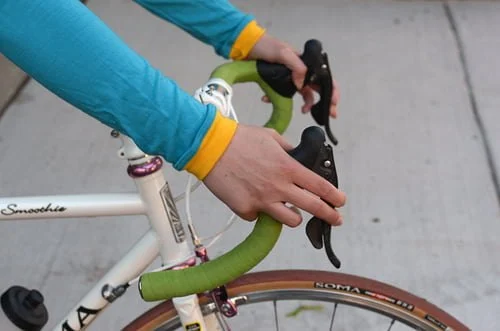
1. Understanding Shoulder Strain on Drop Handlebars
Shoulder strain is a common issue for cyclists who use drop handlebars. The aggressive riding position associated with drop handlebars can place a significant amount of pressure on your shoulders, neck, and upper back. This is especially true for riders who spend long hours on their bikes or who have poor posture. Understanding how and why shoulder strain occurs is the first step in addressing the issue and finding effective ways to prevent it.
2. Common Causes of Shoulder Strain on Drop Handlebars
There are several factors that contribute to shoulder strain when riding with drop handlebars. Identifying these factors can help you make the necessary adjustments to your riding position, equipment, and habits to reduce the risk of injury.
2.1. Poor Posture
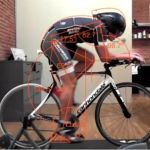
One of the main causes of shoulder strain is poor posture while riding. Many cyclists tend to lean too far forward or round their backs when riding, which places additional stress on the shoulders and neck. A hunched posture can cause muscle fatigue and lead to discomfort during or after rides.
2.2. Handlebar Position
The position of your drop handlebars plays a crucial role in how much pressure is placed on your shoulders. If the handlebars are too low or too far forward, you may find yourself reaching or stretching excessively, which can strain the shoulder muscles. Proper handlebar adjustment is essential for reducing strain.
2.3. Lack of Core Strength
A weak core can exacerbate shoulder strain, as it forces the shoulders to carry more of the load during cycling. When your core muscles aren’t engaged, your shoulders, arms, and neck must compensate by taking on extra stress. Strengthening your core can help alleviate this issue and improve overall cycling posture.
2.4. Overuse and Repetition
Riding for extended periods without proper breaks or stretching can lead to overuse injuries. Repetitive movements, such as gripping the handlebars or maintaining the same position for hours, can cause muscle fatigue and lead to shoulder strain. Regular breaks and stretches are essential for preventing this type of injury.
3. Tips to Prevent Shoulder Strain While Riding Drop Handlebars
Now that we’ve covered the causes of shoulder strain, let’s explore some practical tips and techniques to help you avoid discomfort and injuries while cycling with drop handlebars.
3.1. Adjust Your Handlebar Position
Proper handlebar height and reach are critical for minimizing shoulder strain. If your handlebars are too low, you may find yourself overreaching and placing undue pressure on your shoulders. Aim for a handlebar position that allows your elbows to remain slightly bent and your shoulders to stay relaxed. Many cyclists find that raising their handlebars just a few centimeters can significantly improve comfort.
3.2. Maintain a Neutral Spine
When riding with drop handlebars, it’s important to maintain a neutral spine to avoid rounding your back or slumping forward. Keep your back straight and engage your core muscles to support your posture. Imagine a string pulling you upward from the top of your head to help align your body and reduce pressure on your shoulders.
3.3. Engage Your Core Muscles
Engaging your core while cycling can help distribute the workload more evenly across your body, reducing the strain on your shoulders. Focus on tightening your abdominal muscles and maintaining a stable core throughout your ride. This will allow your shoulders to relax and avoid taking on too much of the load.
3.4. Stretch and Strengthen Your Shoulders
Regular stretching and strengthening exercises for your shoulders, neck, and upper back are essential for preventing strain. Incorporate shoulder stretches into your warm-up and cool-down routine, and consider doing strength exercises such as shoulder presses, lateral raises, and rotator cuff exercises to build muscle endurance and prevent injuries.
3.5. Take Regular Breaks
Long rides can lead to muscle fatigue and overuse injuries. It’s essential to take regular breaks during your ride to stretch, hydrate, and rest. Even short breaks can give your shoulders a chance to recover, preventing strain and discomfort. On long rides, make it a habit to stand up and stretch every 15-20 minutes.
4. Real-Life Example: Mike’s Experience with Shoulder Pain
Mike, an avid cyclist, was experiencing severe shoulder pain after long rides with his drop handlebars. He noticed that his posture was poor, and he was constantly leaning too far forward to reach the handlebars. After consulting with a cycling coach, Mike raised his handlebars slightly and focused on engaging his core while riding. He also incorporated shoulder stretches and strength exercises into his routine. Within weeks, Mike’s shoulder pain significantly decreased, and he was able to enjoy longer rides without discomfort. His experience highlights the importance of posture, handlebar adjustment, and regular exercise in preventing shoulder strain.
5. When to See a Doctor for Shoulder Strain
If you’ve tried adjusting your position, strengthening your muscles, and following other preventative measures but still experience persistent shoulder pain, it may be time to consult a doctor or physical therapist. They can assess your condition, provide a tailored treatment plan, and help you recover from shoulder strain or injury. Ignoring shoulder pain can lead to long-term damage, so it’s important to seek professional help if necessary.
6. Conclusion: Ride Pain-Free with Proper Shoulder Care
Shoulder strain on drop handlebars is a common issue for cyclists, but it’s preventable with the right approach. By adjusting your handlebars, maintaining proper posture, engaging your core, and incorporating stretching and strengthening exercises, you can significantly reduce your risk of shoulder strain. Remember to listen to your body, take regular breaks, and seek medical advice if needed. With these strategies in place, you can enjoy longer, more comfortable rides. For more expert cycling tips and gear recommendations, visit Cycling Guider for everything you need to enhance your cycling experience.



 Trek Bicycle Newington4.0 (469 reviews)
 Footworks Cycles4.0 (10 reviews)
 The Shop4.0 (51 reviews)
 Frank's Spoke'n Wheel4.0 (133 reviews)
 Tailgator Technologies0.0 (0 reviews)
 AAAA Bike Shop4.0 (169 reviews)
 How to Teach Kids to Ride a Bike: A Step-by-Step Guide for Parents
 Tips for Riding on Busy City Streets: Smart Strategies for Urban Cyclists
 Best US National Parks for Mountain Biking: Ride Epic Trails Across America
 Best Aero Helmets for Time Trials and Racing
 How to Clean and Lubricate Your Bike Chain Like a Pro
 10 Must-Have Items for Long-Distance Cycling Trips