
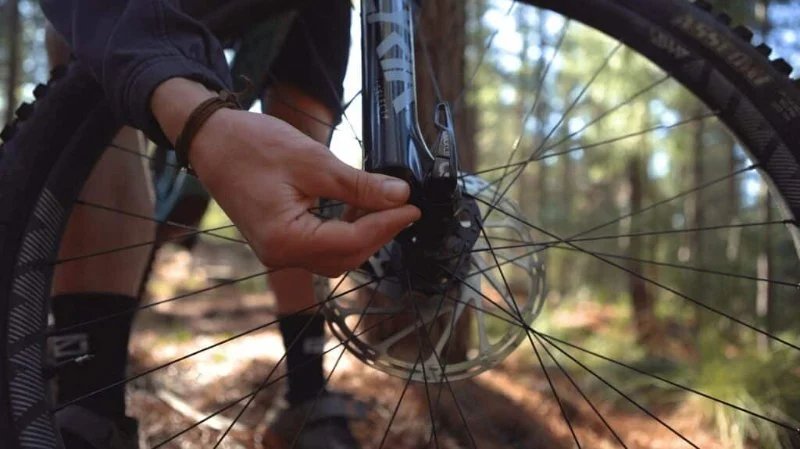
1. Why Suspension Setup Is Important
Getting the suspension setup right on your mountain bike is crucial for a smooth and controlled ride. Suspension affects how your bike handles different terrains, absorbs impacts, and keeps you stable. An incorrectly set up suspension can lead to a rough ride, less traction, and even injury in extreme cases. By adjusting key components like sag, rebound, and travel, you can achieve optimal performance for the type of riding you do, whether it's cross-country, downhill, or enduro.
2. Understanding Sag, Rebound, and Travel
To achieve the best suspension setup, it's important to understand the three main components: sag, rebound, and travel. Each of these settings plays a vital role in how your bike performs on the trail.
- Sag: Sag refers to how much your suspension compresses under the rider's weight. It's typically measured as a percentage of the total suspension travel and is crucial for ensuring your suspension can absorb impacts without bottoming out.
- Rebound: Rebound controls how quickly the suspension returns to its original position after compression. If the rebound is too fast, your bike will feel bouncy, while too slow can lead to a sluggish response.
- Travel: Travel refers to how much the suspension can compress. For mountain bikes, travel varies depending on the type of bike and riding style, with cross-country bikes typically having less travel than downhill bikes.
3. How to Adjust Sag
Adjusting sag is one of the most important steps in suspension setup. Too much sag can make your bike feel soft and unresponsive, while too little can make it harsh and uncomfortable. Here’s how to adjust sag:
- Measure the recommended sag: Check your bike’s manual for the manufacturer’s recommended sag percentage. This is typically between 25-30% of your suspension’s travel.
- Use a shock pump: A shock pump allows you to adjust the air pressure in your suspension. Increase the pressure to reduce sag, or decrease it to increase sag.
- Check your setup: After making adjustments, sit on your bike in your normal riding position, and measure the sag again to ensure it's within the recommended range.
4. Setting Rebound for Optimal Control
Rebound is crucial for controlling how your bike handles after each bump or obstacle. A good rebound setup allows you to maintain control, especially in fast, technical sections. Here’s how to adjust it:
- Start slow: Begin by turning the rebound knob to the slowest setting. Ride your bike and feel how it reacts after hitting obstacles.
- Adjust speed: Gradually increase the rebound speed until you feel the bike returning to its original position without bouncing excessively. If the rebound is too fast, your bike may feel unstable; too slow, and it will feel sluggish.
- Test different settings: Ride on various terrains to test how the suspension behaves. Adjust accordingly to ensure your suspension feels responsive and controlled.
5. Understanding and Adjusting Travel
Suspension travel is the amount the fork or shock can compress under load. The right travel setting depends on your riding style and terrain. Here’s how to adjust travel:
- Choose the right amount of travel: Cross-country bikes typically use less travel (80-120mm), while downhill bikes may have up to 200mm. If you're unsure, consult with a professional to determine the best travel for your needs.
- Adjust fork or shock travel: Some bikes allow you to adjust the travel of your fork or shock. If you need more or less travel, consult your bike’s manual for how to adjust it or swap out components if necessary.
- Balance front and rear travel: Ensure that both the front and rear suspension travel are balanced to avoid creating a “saggy” ride or one that feels too stiff.
6. When to Seek Professional Suspension Tuning
While adjusting your suspension yourself can greatly improve your riding experience, some riders may benefit from professional suspension tuning. If you feel your bike is not performing optimally or are unsure how to make adjustments, it’s worth seeking help from a suspension specialist. A professional can fine-tune your suspension to match your riding style, weight, and the types of trails you ride, ensuring the best possible setup for your bike.


 Hitchhiker Bike Shop5.0 (93 reviews)
 Goodrich's Bicycle Shop4.0 (26 reviews)
 Canyon Bicycles USA4.0 (1458 reviews)
 Bicycles of Phoenix4.0 (168 reviews)
 Zap E Bikes | Fat Tire Beach Cruisers | Electric Driven Bikes4.0 (28 reviews)
 Blue City Cycles4.0 (149 reviews)
 How to Teach Kids to Ride a Bike: A Step-by-Step Guide for Parents
 Tips for Riding on Busy City Streets: Smart Strategies for Urban Cyclists
 Best US National Parks for Mountain Biking: Ride Epic Trails Across America
 Best Aero Helmets for Time Trials and Racing
 How to Clean and Lubricate Your Bike Chain Like a Pro
 10 Must-Have Items for Long-Distance Cycling Trips