
- economic-impact-of-cycle-tours
- boosting-local-businesses-through-cycling
- job-creation-and-employment-opportunities
- real-life-case-studies-of-cycling-tourism
- challenges-and-opportunities-for-small-towns
1. The Economic Impact of Cycle Tours on Small Towns
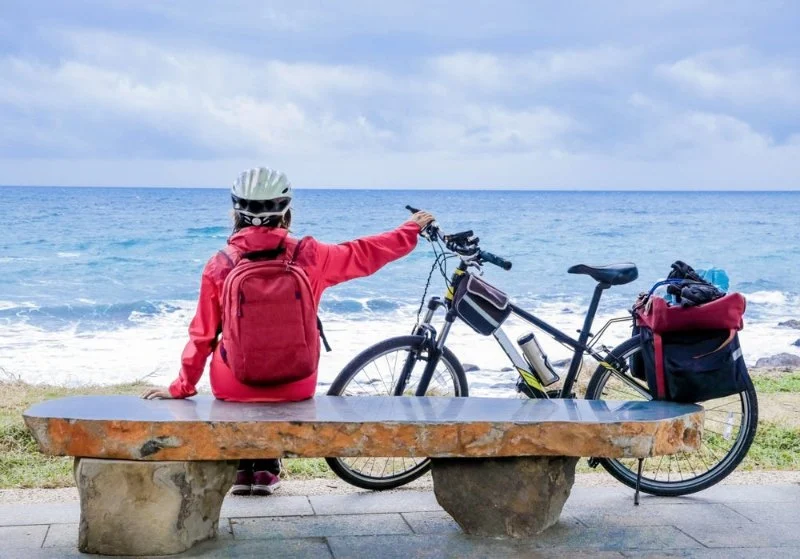
Cycle tours have become a driving force in the revitalization of small towns across America. As more people seek adventure and outdoor experiences, cycling tourism has emerged as a significant contributor to local economies. Whether it's a weekend cycling getaway or a multi-day bike tour, the economic benefits can be substantial for small communities.
1.1 Increased Tourism Revenue
Cycle tours attract not only cyclists but also their families, friends, and support teams, all of whom contribute to the local economy. Tourists spend money on accommodations, meals, transportation, and souvenirs. For small towns that may not see much tourism otherwise, cycling can become a lifeline, bringing in consistent revenue during the peak tourist seasons.
1.2 Diversification of Local Income Streams
For many small towns, traditional industries such as agriculture or manufacturing may no longer provide the same level of economic stability. Cycle tourism offers an alternative source of income, helping to diversify the local economy and make it more resilient to economic downturns.
2. Boosting Local Businesses Through Cycling Tourism
One of the most immediate benefits of cycle tours to small towns is the positive impact on local businesses. From bike shops to restaurants, the influx of cyclists creates demand for a wide range of products and services, providing a direct financial boost to the local business community.
2.1 Restaurants and Cafes
Local restaurants and cafes thrive when cycle tourists stop in for meals or snacks. Many cyclists prefer quick, healthy, and high-energy foods to fuel their rides. This can create a steady stream of customers for local eateries, especially those that offer cycling-friendly menus or cater to specific dietary needs.
2.2 Lodging and Accommodation
From bed and breakfasts to small inns and motels, local lodging businesses benefit from the demand generated by cycling tourists. Often, cycling tours require multi-day trips, which means cyclists need places to stay overnight. This can be especially beneficial in small towns where the lodging industry may have previously struggled.
2.3 Retail and Bike Shops
Local bike shops also stand to gain from the growing interest in cycling tourism. Tourists may need to rent bikes, purchase cycling gear, or even repair their equipment while passing through. Retail shops can cater to cyclists' needs, offering everything from maps of local bike trails to custom gear and accessories.
3. Job Creation and Employment Opportunities
Cycle tourism not only boosts local businesses but also creates new employment opportunities. As the demand for cycling tours increases, so does the need for workers to support this growing industry.
3.1 Tour Guides and Support Staff
Many small towns with popular cycling routes rely on local guides to lead tours and offer insights about the area. These guides can be trained cyclists who share their passion for biking while providing a valuable service to tourists. Additionally, support staff—such as drivers, mechanics, and logistics coordinators—are often needed to ensure smooth operations during bike tours.
3.2 Local Service Jobs
The influx of tourists during cycling seasons also creates demand for various local services, such as housekeeping, maintenance, and customer service roles. These jobs help to provide stable employment opportunities for residents and seasonal workers alike.
4. Real-Life Case Studies of Cycling Tourism's Impact
Real-world examples of cycling tourism’s impact on small-town economies highlight the tangible benefits and long-term effects of the industry. Let’s take a closer look at a few success stories:
4.1 Case Study: The Great Allegheny Passage (GAP) Trail
The Great Allegheny Passage (GAP) Trail is a prime example of how cycle tours can benefit small towns. Running through Pennsylvania and Maryland, the GAP Trail connects several small communities, drawing cyclists from across the country. According to studies, towns along the trail saw significant increases in revenue from bike rentals, accommodation, dining, and local retail. The success of the GAP Trail has led to further investment in cycling infrastructure, such as improved trail access and better facilities for cyclists.
4.2 Case Study: The Katy Trail in Missouri
The Katy Trail, a 240-mile bike trail that runs through Missouri, is another example of how cycling tourism has revitalized rural communities. Towns like Rocheport and Sedalia have seen a surge in tourism-related revenue due to cyclists using the trail. Local businesses, including bike shops, hotels, and restaurants, have experienced growth, with some opening specifically to cater to cyclists' needs. The Katy Trail has become a model for other states looking to capitalize on cycling tourism.
5. Challenges and Opportunities for Small Towns
While cycle tourism offers significant benefits, small towns also face certain challenges when it comes to capitalizing on this trend. Understanding these challenges—and how to overcome them—can help communities make the most of the economic opportunities that cycling tourism brings.
5.1 Infrastructure Investment
One of the key challenges for small towns is the need for investment in infrastructure. Proper signage, safe and well-maintained bike paths, and bike-friendly amenities are essential for attracting cycling tourists. Towns must be willing to invest in these upgrades to ensure cyclists feel welcome and safe while visiting.
5.2 Seasonal Nature of Tourism
Cycling tourism can be seasonal, with peak months occurring in spring, summer, and early fall. To maintain steady revenue throughout the year, small towns may need to diversify their tourism offerings and encourage visitors in the off-season with events, festivals, or other outdoor activities.
5.3 Marketing and Outreach
Small towns often lack the marketing resources needed to promote their cycling tourism offerings to a broader audience. Partnering with cycling tour operators or tourism organizations can help increase visibility and attract more tourists. Digital marketing efforts, such as social media campaigns and partnerships with cycling blogs, can also play a vital role in spreading the word.
For communities looking to capitalize on the growth of cycling tourism, the potential for positive economic impact is clear. With the right infrastructure, marketing, and community involvement, small towns can turn cycle tourism into a long-term, sustainable source of economic growth.
If you're interested in discovering the best cycling routes or gear to enhance your cycling tours, check out Cycling Guider for expert advice and product recommendations.



 Miami Bicycles and Repair4.0 (140 reviews)
 REV Endurance Sports4.0 (133 reviews)
 Center Point Sales0.0 (0 reviews)
 Himiway E-bike5.0 (91 reviews)
 Still Ride Bike Shop5.0 (20 reviews)
 Cocoa Beach Bicycle Company4.0 (16 reviews)
 How to Teach Kids to Ride a Bike: A Step-by-Step Guide for Parents
 Tips for Riding on Busy City Streets: Smart Strategies for Urban Cyclists
 Best US National Parks for Mountain Biking: Ride Epic Trails Across America
 Best Aero Helmets for Time Trials and Racing
 How to Clean and Lubricate Your Bike Chain Like a Pro
 10 Must-Have Items for Long-Distance Cycling Trips