
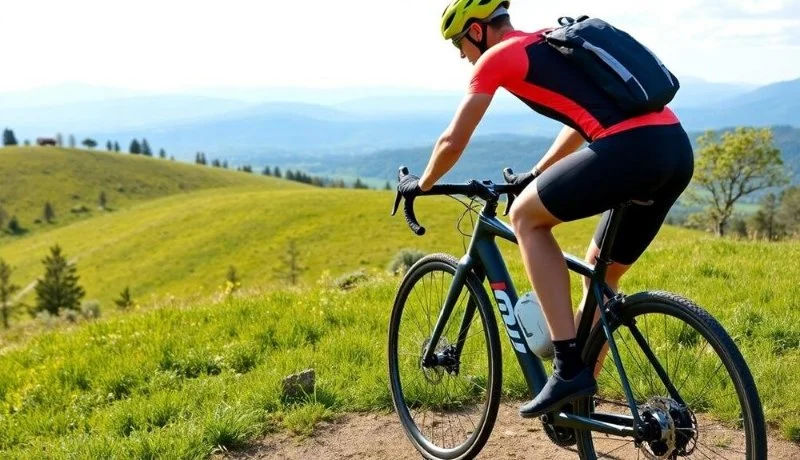
Nutrition Tips for Cyclists: What to Eat Before, During, and After Rides
- 1 - What to Eat Before Your Ride
- 2 - Nutrition Tips During Your Ride
- 3 - What to Eat After Your Ride
- 4 - Importance of Hydration for Cyclists
- 5 - Recommended Nutrition Products for Cyclists
Nutrition plays a crucial role in a cyclist’s performance, and knowing what to eat before your ride can make a significant difference. Whether you’re going on a short training ride or a long-distance race, fueling your body with the right food is essential for optimal performance. The key is to focus on carbohydrates, which provide the energy your muscles need, along with a moderate amount of protein and healthy fats for sustained energy.
1.1 Carbohydrates for Energy
Carbohydrates are the primary fuel for your muscles during cycling. Eating a meal rich in carbohydrates about 2-3 hours before your ride will help top off your glycogen stores. Ideal pre-ride foods include whole grains like oatmeal, brown rice, or whole wheat bread, as well as fruits like bananas and apples. These foods provide slow-releasing energy that will keep you going throughout your ride.
1.2 Protein and Healthy Fats
While carbohydrates are your main focus, a small amount of protein and healthy fats can also be beneficial. Lean protein sources like chicken, turkey, or plant-based options such as tofu can help with muscle recovery. Healthy fats from avocados, nuts, and seeds provide long-lasting energy and help maintain blood sugar levels throughout your ride.
During your ride, especially on long rides lasting more than an hour, it’s important to keep your energy levels up and stay hydrated. Consuming carbohydrates during your ride helps replenish your glycogen stores and keeps your muscles fueled. Aim for 30-60 grams of carbohydrates per hour, depending on the intensity and length of your ride.
2.1 Carbohydrates and Electrolytes
Sports drinks and gels are great for replenishing both carbohydrates and electrolytes lost through sweat. Electrolytes like sodium, potassium, and magnesium are essential for maintaining fluid balance and muscle function. Drinks with a good mix of carbohydrates and electrolytes can help you avoid dehydration and muscle cramps.
2.2 Easy-to-Digest Snacks
If you prefer solid food during your ride, opt for easy-to-digest snacks like energy bars, dried fruits, or pretzels. These foods provide quick energy without weighing you down or causing discomfort during your ride. Be sure to experiment with different options during training rides to find what works best for your digestive system.
After your ride, proper recovery nutrition is essential to help your muscles repair and replenish glycogen stores. The best post-ride nutrition should include both carbohydrates and protein in a ratio of about 3:1 or 4:1. Carbohydrates help restore glycogen, while protein aids in muscle recovery.
3.1 Carbs for Glycogen Replenishment
After a ride, your body needs carbohydrates to replenish the glycogen that was depleted. Quick-digesting carbs like white rice, potatoes, or smoothies with fruit can provide the necessary fuel for recovery. The faster you can replenish these glycogen stores, the quicker your body will recover.
3.2 Protein for Muscle Repair
Protein is crucial for repairing muscle damage that occurs during cycling. Aim for around 20-25 grams of protein in your post-ride meal. Good protein sources include lean meats, eggs, dairy, or plant-based options like lentils and beans. Combining protein with carbohydrates in your post-ride snack or meal helps enhance recovery and minimize muscle soreness.
3.3 Hydration After the Ride
Rehydrating after your ride is just as important as fueling your body. Drinking water or an electrolyte drink helps restore the fluids lost during your ride. If you've had an intense workout, consider adding an electrolyte tablet or drink to replace the sodium and potassium that may have been depleted.
Hydration is key to maintaining peak performance and preventing fatigue, especially for cyclists. It's important to drink water regularly before, during, and after your ride to avoid dehydration. A good rule of thumb is to drink 16-20 ounces of water 2-3 hours before your ride and continue sipping small amounts of water during the ride.
4.1 Electrolyte Balance
In addition to water, electrolyte drinks can help replenish sodium and other important minerals lost through sweat. These drinks are particularly useful for long rides, as they can prevent dehydration, cramping, and muscle fatigue. Look for electrolyte drinks with minimal added sugars to keep your hydration routine balanced and effective.
4.2 Hydration Strategy for Long Rides
For rides longer than 90 minutes, plan on consuming both water and an electrolyte drink to stay hydrated and energized. Aim to drink about 1 liter of fluid per hour for long rides, adjusting this amount based on temperature and intensity. Staying ahead of your hydration needs during the ride will help you maintain your performance and avoid fatigue.
To help optimize your nutrition, consider using specialized products for cyclists. Energy gels, bars, and hydration mixes are designed to provide quick and easy nutrition during rides. Some of the best brands offer balanced nutrition, easily absorbed into your body, without the discomfort of solid food during intense exercise.
5.1 Energy Gels and Bars
Energy gels and bars are compact and easy to consume while cycling. They are packed with carbohydrates, electrolytes, and sometimes protein to keep your energy levels up during rides. Look for products that offer a good balance of nutrients and are easy on the stomach. Popular brands like GU Energy and Clif Bar are trusted by cyclists worldwide.
5.2 Hydration Mixes
Hydration mixes are essential for long rides, as they provide not only water but also the necessary electrolytes to keep you going. Products like Nuun tablets or Scratch Labs hydration mix are excellent options for maintaining hydration and electrolyte balance during your rides. These mixes are easy to carry and can be dissolved in water for quick consumption.
If you're looking for high-quality nutrition products tailored to cyclists, check out Cycling Guider for the best options available. Whether you're looking for energy gels, protein bars, or hydration products, Cycling Guider offers products designed to support your cycling performance and recovery.
 Kyoot Bikes5.0 (1 reviews)
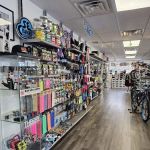 Brielle Cyclery Kids5.0 (166 reviews)
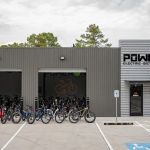 Power ON Electric Bikes4.0 (180 reviews)
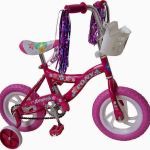 Far East Children Bicycle Factory1.0 (1 reviews)
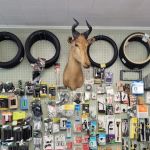 Mad Dog Bicycles4.0 (59 reviews)
 Tony's Bikes & Sports4.0 (191 reviews)
 How to Teach Kids to Ride a Bike: A Step-by-Step Guide for Parents
 Tips for Riding on Busy City Streets: Smart Strategies for Urban Cyclists
 Best US National Parks for Mountain Biking: Ride Epic Trails Across America
 Best Aero Helmets for Time Trials and Racing
 How to Clean and Lubricate Your Bike Chain Like a Pro
 10 Must-Have Items for Long-Distance Cycling Trips