- 1. Why It's Important to Inspect a Used Bike
- 2. How to Inspect the Frame of a Used Bike
- 3. Checking the Wheels and Tires of a Used Bike
- 4. Inspecting Bike Components: What to Look For
- 5. Common Issues to Watch For When Buying a Used Bike
- 6. Tools You Can Use for Inspecting a Used Bike
- 7. Where to Buy Reliable Used Bikes
- 8. Recommended Products for Bike Maintenance
1. Why It's Important to Inspect a Used Bike
Purchasing a used bike can be a great way to save money, but it’s crucial to ensure that you're getting good value for your investment. Unlike new bikes, used ones may have wear and tear that could affect performance and safety. Thoroughly inspecting a used bike before you purchase it helps avoid costly repairs down the road and ensures you're buying a bike that's in good working condition. A proper inspection covers the frame, wheels, and components to check for any potential issues that may not be obvious at first glance.
2. How to Inspect the Frame of a Used Bike
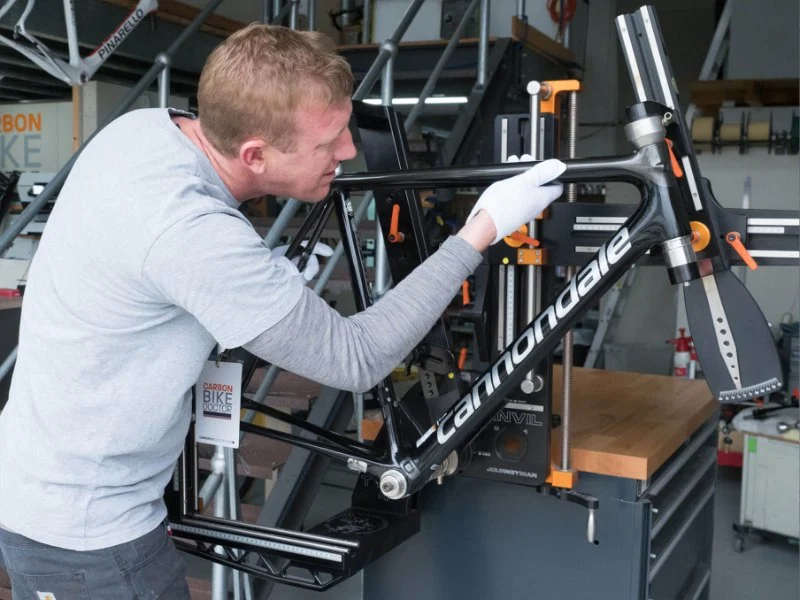
The frame is the backbone of the bike, and it’s crucial to inspect it for damage or signs of wear. Here's what to check:
- Look for Cracks or Dents: Inspect the frame carefully for any visible cracks, especially around the welds. Cracks in the frame can compromise the bike’s structural integrity, making it unsafe to ride.
- Check for Misalignment: The frame should be straight and true. Look for any signs of bending or misalignment, particularly on the rear triangle and fork. A bent frame can lead to handling issues.
- Inspect for Rust: Rust on the frame, especially on steel bikes, can weaken the structure. If you see rust spots, it might be a sign of hidden damage that could affect the bike’s longevity.
Take your time to inspect the frame closely, as it’s the most important part of the bike and should be in excellent condition for safe riding.
3. Checking the Wheels and Tires of a Used Bike
Wheels and tires are often the most worn-out components on a used bike. Here’s how to inspect them:
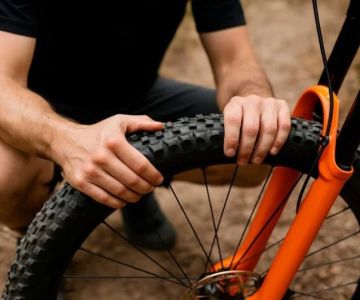
- Check the Wheel Rims: Spin the wheels to check for any warping or dents in the rims. A damaged rim can make the bike unsafe to ride and may require replacement.
- Test the Hubs: Lift the bike and spin each wheel. The wheel should spin smoothly without any wobbling or resistance. If the hubs are stiff or noisy, they might need servicing or replacing.
- Inspect the Tires: Check for any punctures, tears, or worn-out tread on the tires. The tires should have enough tread to ensure good grip and safety. If the tires are cracked or flat, they will need to be replaced.
Wheels and tires are key to the bike’s performance, and they should be in good condition to ensure safe riding.
4. Inspecting Bike Components: What to Look For
The components of a bike, such as the handlebars, brakes, pedals, and gears, play a crucial role in its overall performance. Here’s what to check for each:
- Handlebars: Check that the handlebars are properly aligned and securely fastened. Worn grips or cracked handlebars should be replaced for comfort and safety.
- Brakes: Test both the front and rear brakes to ensure they engage properly and stop the bike smoothly. Look for any signs of wear on the brake pads and ensure the cables are in good condition.
- Pedals: Check that the pedals are firmly attached and rotate smoothly. Loose or worn-out pedals can affect the bike’s performance and safety.
- Gears and Chain: Shift through all the gears to ensure smooth transitions. Inspect the chain for any rust or stiffness. A worn-out chain or problematic gears can be costly to fix.
Ensure that all components function properly and check for any signs of excessive wear that could lead to problems later on.
5. Common Issues to Watch For When Buying a Used Bike
In addition to inspecting the frame, wheels, and components, be aware of these common issues when buying a used bike:
- Overpriced Bikes: Sometimes, sellers may overestimate the value of a used bike, especially if it's an older model. Do some research to ensure you're paying a fair price.
- Improper Fit: Make sure the bike fits you properly. An ill-fitting bike can cause discomfort and long-term health issues. Check the seat height, handlebar position, and overall frame size.
- Signs of Poor Maintenance: A bike that hasn't been well-maintained might require more repairs than a bike that has been properly serviced. Look for evidence of rust, neglect, or missing parts.
6. Tools You Can Use for Inspecting a Used Bike
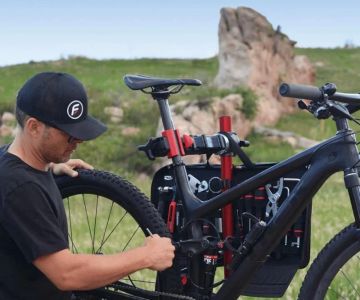
Having the right tools can help you inspect a used bike thoroughly. Some tools you may need include:
- Torque Wrench: To check and adjust the tightness of bolts, especially on the frame and components.
- Chain Checker: To measure the wear of the chain and determine whether it needs replacing.
- Spoke Tension Meter: To check the tension of the spokes and ensure the wheels are true.
- Multitool: Handy for making small adjustments during your inspection.
7. Where to Buy Reliable Used Bikes
Buying a used bike from a reputable source is essential to avoid issues. Here are some places to consider:
- Local Bike Shops: Many bike shops sell used bikes that have been professionally inspected and refurbished.
- Online Marketplaces: Websites like Craigslist, Facebook Marketplace, and eBay can offer good deals, but be sure to meet the seller in person and inspect the bike thoroughly.
- Specialty Stores: Some stores specialize in selling used or refurbished bikes and may provide warranties or guarantees.
8. Recommended Products for Bike Maintenance
Once you've purchased your used bike, it’s essential to maintain it for optimal performance. At Cycling Guider, we offer a range of products to help keep your bike in top shape:
- Bike Lubricants: Keep your chain and gears running smoothly with high-quality lubricants.
- Brake Pads and Cables: Essential for ensuring your bike’s braking system is responsive and safe.
- Tire Repair Kits: Always be prepared for a flat tire with a reliable repair kit.
Visit Cycling Guider for all the products you need to maintain and enhance your used bike!


 Big Dave's Bikes4.0 (338 reviews)
 CA E-Bikes5.0 (15 reviews)
 The Bicycle Place4.0 (36 reviews)
 Rider Performance Group LLC0.0 (0 reviews)
 Isle Bicycles5.0 (32 reviews)
 D&D Bicycles - Northville4.0 (461 reviews)
 How to Teach Kids to Ride a Bike: A Step-by-Step Guide for Parents
 Tips for Riding on Busy City Streets: Smart Strategies for Urban Cyclists
 Best US National Parks for Mountain Biking: Ride Epic Trails Across America
 Best Aero Helmets for Time Trials and Racing
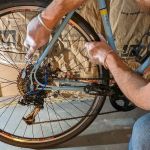 How to Clean and Lubricate Your Bike Chain Like a Pro
 10 Must-Have Items for Long-Distance Cycling Trips