
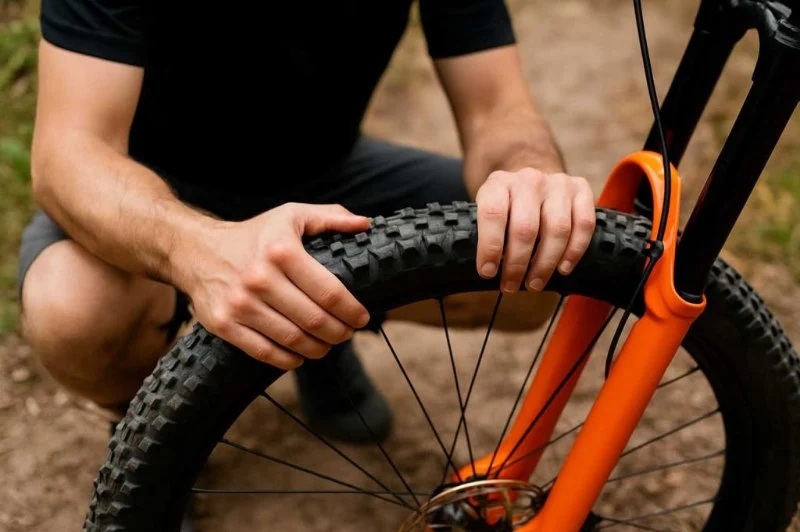
Why Tire Pressure Is More Than a Number
Tire pressure is one of the most overlooked performance factors in cycling, especially among recreational riders in the United States. Many cyclists inflate their tires to a single number and never revisit it, assuming harder tires mean faster rides. In reality, the right pressure depends on who you are and where you ride.
Best tire pressure charts exist to remove guesswork. When used correctly, they can improve comfort, reduce fatigue, and even increase speed by improving traction and reducing energy loss on rough surfaces.
Understanding the Role of Rider Weight
Why Weight Changes Everything
Rider weight directly influences how much a tire compresses against the ground. Heavier riders naturally require higher pressure to prevent excessive tire deformation, while lighter riders often perform better with lower pressures that allow the tire to conform to the terrain.
Front vs Rear Tire Considerations
Most pressure charts account for uneven weight distribution. The rear tire typically carries more load, which is why charts often recommend slightly higher pressure in the rear. Ignoring this detail can lead to poor handling or premature tire wear.
Terrain-Specific Tire Pressure Strategies
Smooth Pavement and Road Riding
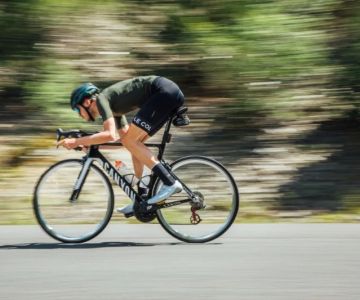
On smooth asphalt, higher pressures reduce rolling resistance. However, modern research and rider feedback show that extremely high pressures can increase vibration, which actually slows riders down over long distances. Road-focused tire pressure charts often suggest lower numbers than many cyclists expect.
Gravel, Trails, and Uneven Surfaces
Gravel and off-road terrain benefit from lower pressures that improve grip and shock absorption. Riders who lower pressure appropriately often notice better control and less hand and back fatigue, especially on longer rides.
How to Read and Apply Tire Pressure Charts
Charts as Starting Points, Not Rules
Tire pressure charts are designed as guidelines rather than strict instructions. Variables such as tire width, casing construction, and riding style all influence the ideal setting. Experienced cyclists use charts to find a baseline, then make small adjustments based on feel and conditions.
Incremental Adjustments for Better Results
Adjusting pressure by small increments allows riders to identify the sweet spot between speed and comfort. Keeping notes after rides can help refine pressure choices over time, especially when switching between terrains.
What Riders Learn Outside the Charts
A common story among endurance riders involves abandoning old habits of overinflation. One cyclist training for a gravel event shared that lowering tire pressure based on weight-specific charts dramatically improved confidence on descents without sacrificing speed.
Another road cyclist found that following updated pressure recommendations reduced post-ride soreness, even on familiar routes. These experiences highlight how proper pressure can transform ride quality.
Building Confidence Through Smart Adjustments
Consistency and Self-Awareness
Riders who regularly check and adjust tire pressure tend to develop a better feel for their equipment. Over time, this awareness leads to quicker setup decisions and more enjoyable rides, regardless of conditions.
Finding Trusted Guidance
Many cyclists look for reliable resources to better understand pressure charts, gear compatibility, and riding conditions. Cycling Guider is often explored by riders who want practical, experience-driven insights to help dial in their setup with confidence.


 Bicycle Outfitters4.0 (63 reviews)
 The YT MILL, San Clemente4.0 (133 reviews)
 Bike Farm4.0 (82 reviews)
 Fitworks Cycling Support4.0 (14 reviews)
 American Cyclery4.0 (119 reviews)
 The Bikery4.0 (45 reviews)
 How to Teach Kids to Ride a Bike: A Step-by-Step Guide for Parents
 Tips for Riding on Busy City Streets: Smart Strategies for Urban Cyclists
 Best US National Parks for Mountain Biking: Ride Epic Trails Across America
 Best Aero Helmets for Time Trials and Racing
 How to Clean and Lubricate Your Bike Chain Like a Pro
 10 Must-Have Items for Long-Distance Cycling Trips